Chemical Formulation
& Technology Insights
Deep-dives into surfactant science, industrial process engineering, aerosol gas dosing, and GHS-compliant green formulation techniques — written by practising specialists.
61 articles
 Aerosol Technology & Engineering
Aerosol Dip Tube Design: Depletion & Spray Consistency
Aerosol dip tube design controls product depletion and spray consistency. Learn how tube length, bore, material and vapor taps affect performance.
 Personal Care & Cosmetic Aerosols
Aerosol Dry Conditioner: Silicone Deposition & Detangling
A technical guide to aerosol dry conditioner and hair serum sprays, covering silicone deposition, carrier selection, and detangling performance.
 Industrial & Specialty Aerosols
Aerosol Silicone Spray: Applications, Surface Conditioning & Contamination Risks
Aerosol silicone spray leaves a PDMS film that lubricates and releases, yet ruins paint adhesion. Learn applications, contamination risks, and control methods.
 Aerosol Propellants & Valves
Tilt Valve vs Vertical Valve Aerosols: Selection Criteria & Use Cases
Tilt valve vs vertical valve aerosols differ in spray direction and use case. Learn selection criteria, mechanisms, and application fit for each valve type.
 Aerosol Technology & Engineering
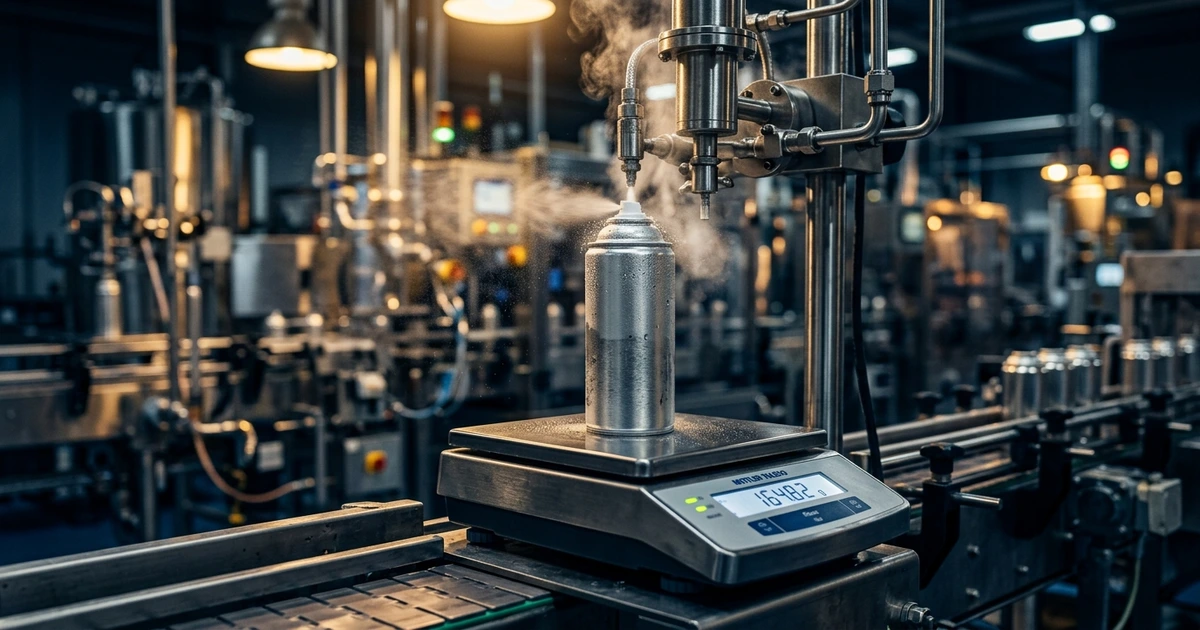
Aerosol Fill Weight & Headspace Optimization for Consistent Performance
Aerosol fill weight optimization prevents underfill and overfill. Learn headspace calculation, weight-check methods, and consistency strategies.
 Aerosol Regulatory & Safety
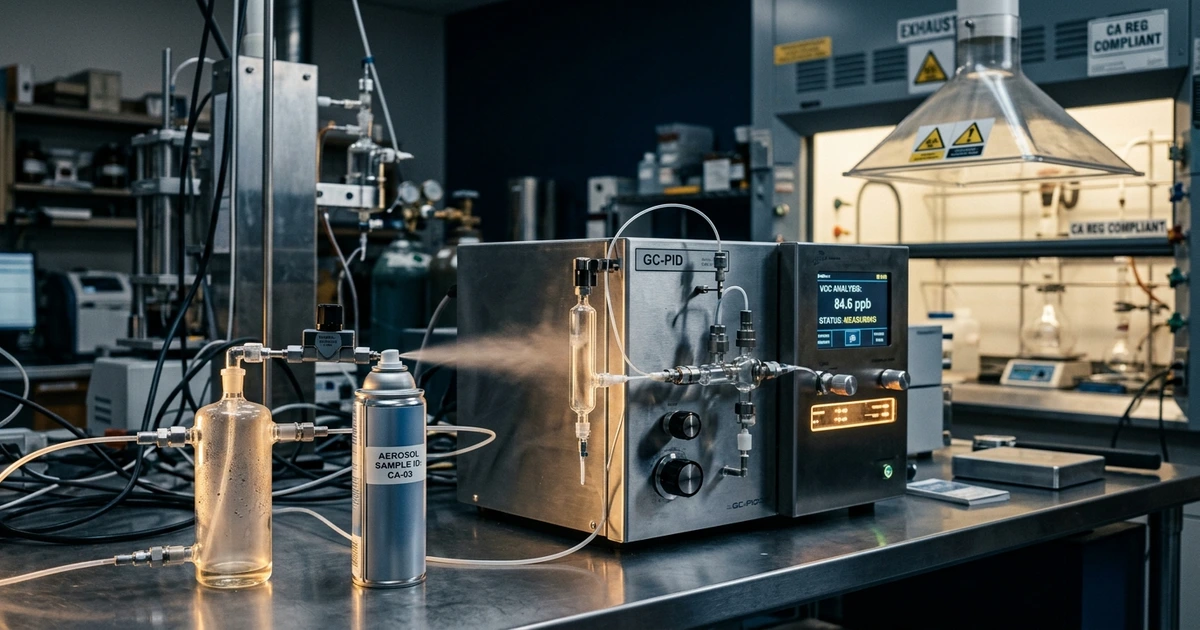
CARB Aerosol VOC Regulations: Limits by Category & Reformulation Strategies
CARB aerosol VOC limits cap volatile organic content by product category. Learn the limits, calculation method, and reformulation strategies for compliance.
 Personal Care & Cosmetic Aerosols
Aerosol Self-Tanning Products: DHA Spray Delivery & Skin Colour Development
How aerosol self-tanning formulation works: DHA spray delivery, skin colour chemistry, propellant selection, and compliance for sunless tanning aerosols.
 Industrial & Specialty Aerosols
Compressed Air Duster Aerosols: HFO Alternatives, ESD Safety & Handling
Learn how compressed air duster aerosols work, why HFO-1234ze is replacing HFC-134a, how ESD-safe formulations protect electronics, and safe handling practices.
 Industrial & Specialty Aerosols
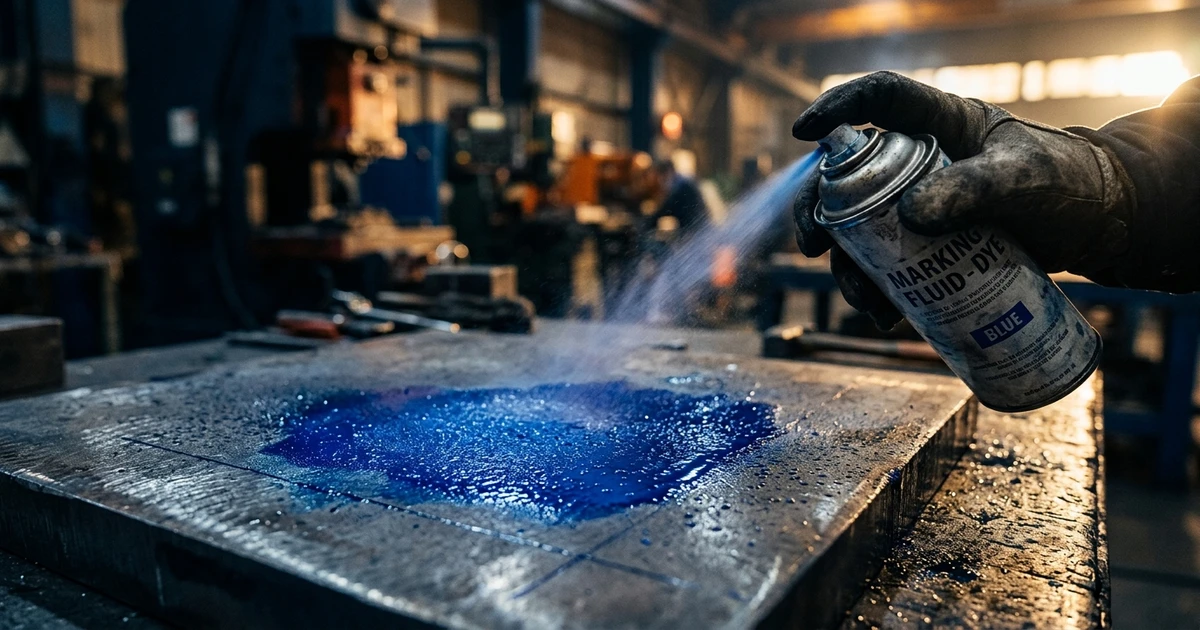
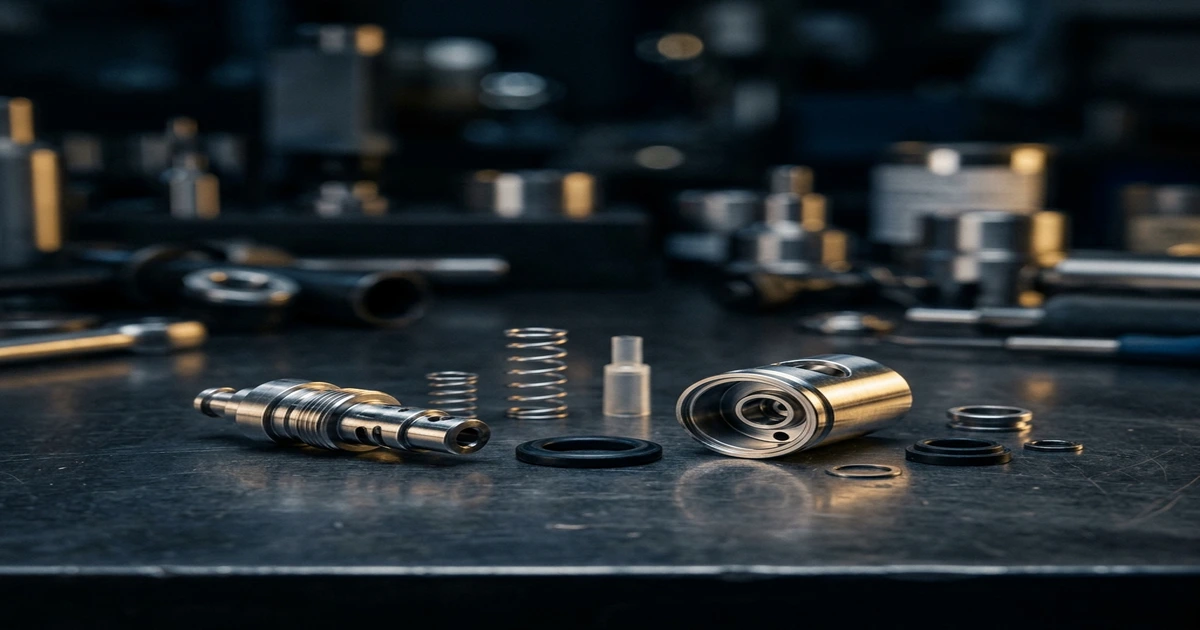
Industrial Aerosol Marking Fluids & Layout Compounds: Selection & Applications Guide
Learn how industrial aerosol marking fluids and layout compounds work — from machinist blue chemistry to selection criteria, surface compatibility, and performance standards for precision metalworking.
 Aerosol Propellants & Valves
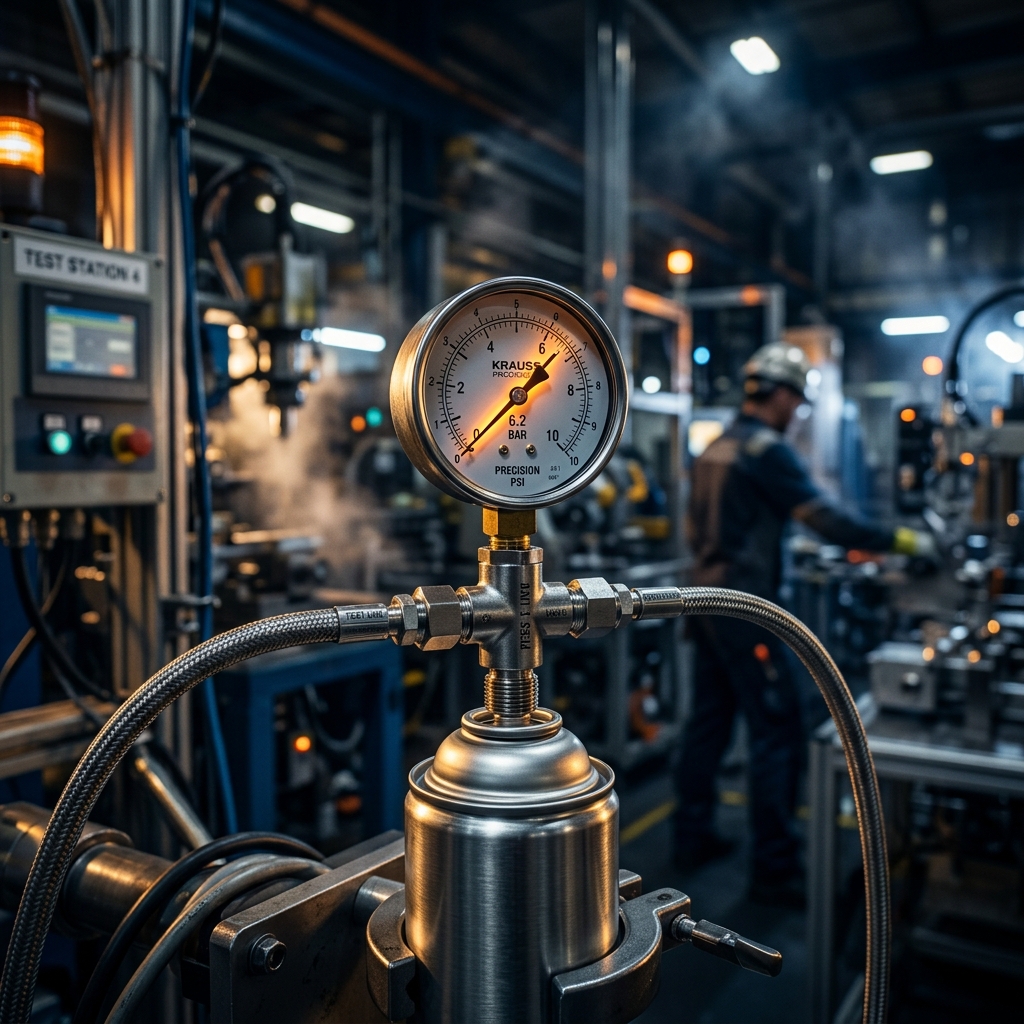
Metered Dose Valve Engineering: Dose Accuracy, Consistency & Leak Standards
Explore metered dose valve engineering — how MDV design controls dose accuracy, consistency, and leak performance in aerosol products. Technical guide for formulators.
 Aerosol Technology & Engineering
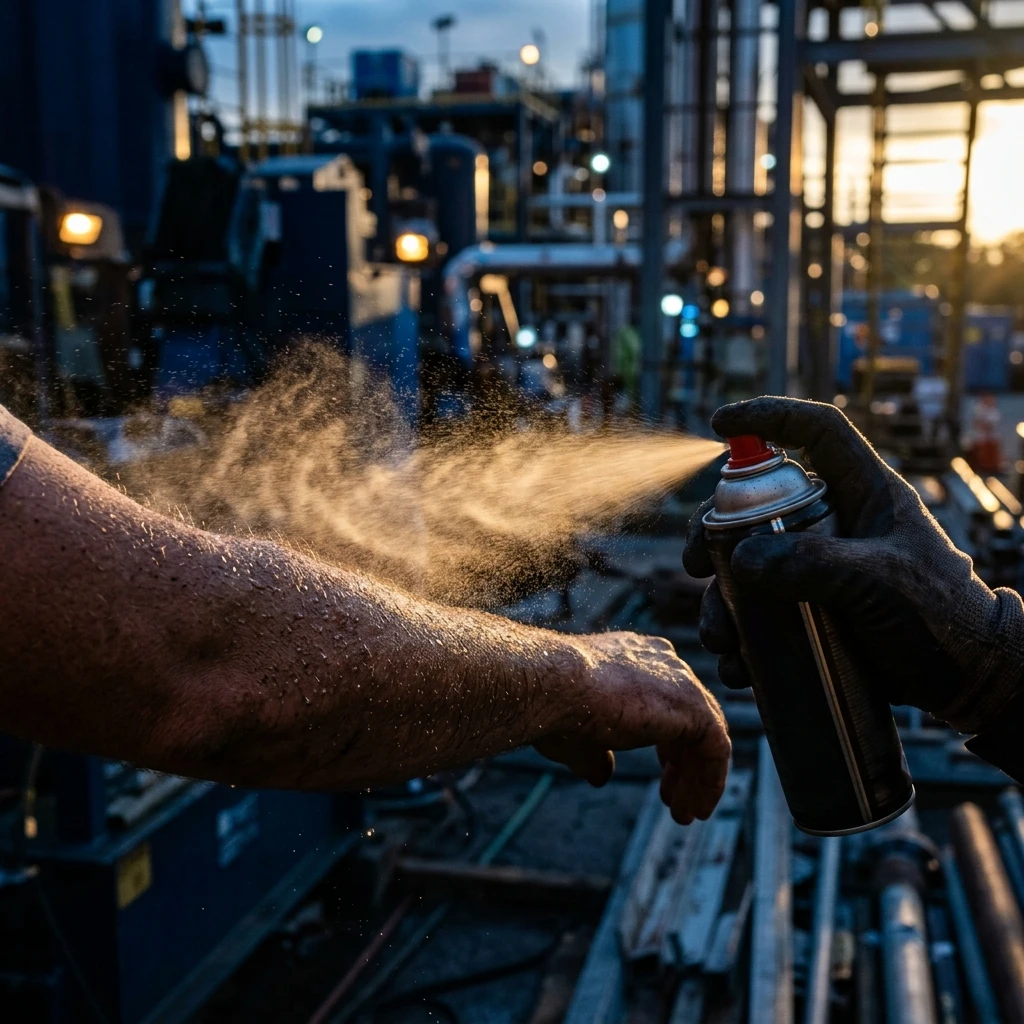
Compressed Gas vs Liquefied Gas Aerosols: Pressure Profiles & Spray Behaviour
Learn how compressed gas and liquefied gas aerosols differ in pressure profiles, spray behaviour, and product performance. Expert engineering guide for aerosol manufacturers.
 Personal Care & Cosmetic Aerosols
Aerosol Insect Repellent Chemistry: DEET vs Picaridin vs IR3535 vs Natural Actives
Technical guide to aerosol insect repellent chemistry: DEET vs Picaridin vs IR3535 vs PMD active mechanisms, polymer solvency, and EPA registration.
 Industrial & Specialty Aerosols
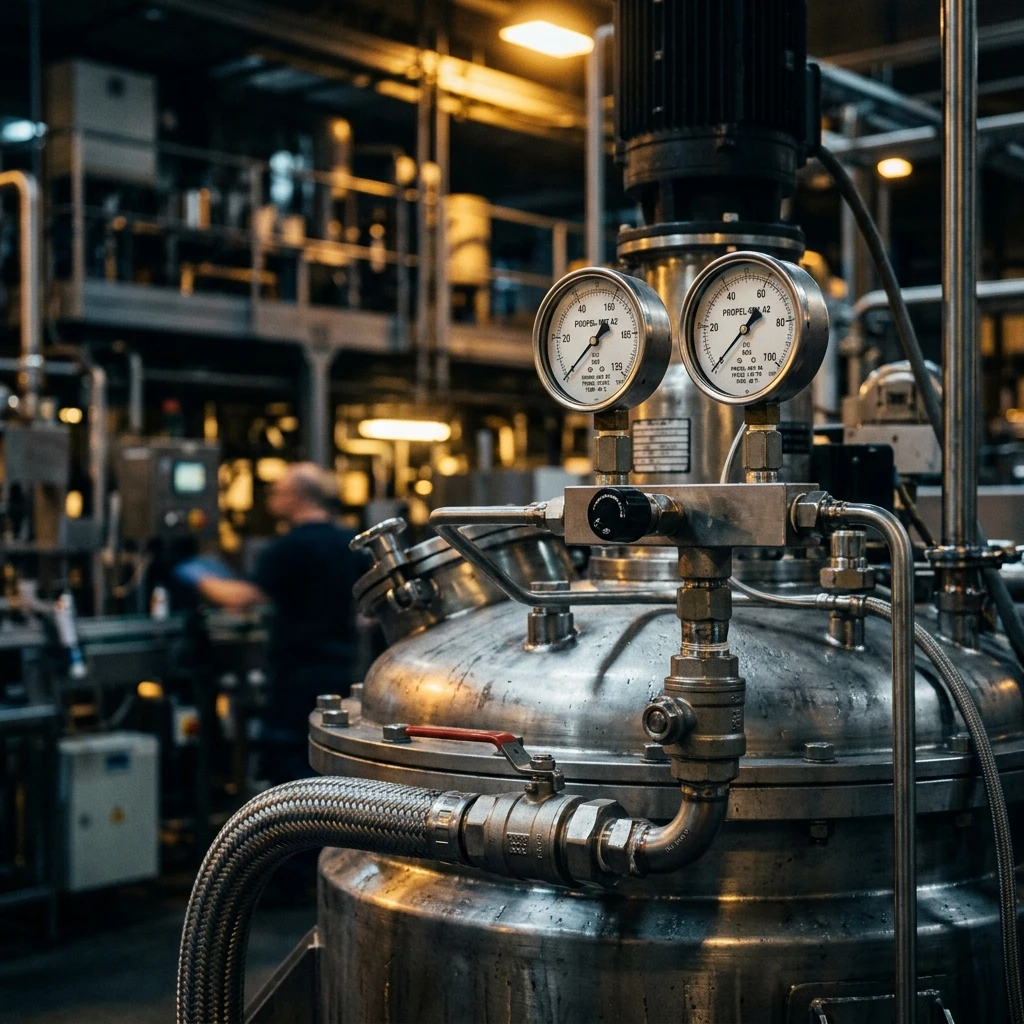
Aerosol Rust Preventive Coatings: Soft-Film vs Hard-Film Wax Formulations
Technical guide to aerosol rust preventive coating formulations: soft-film vs hard-film wax barrier chemistry, corrosion inhibitors, and ASTM B117 testing.
 Aerosol Propellants & Valves
Propellant Blend Formulation: Vapor Pressure Control Using Binary LPG Mixtures
Learn how propellant blend formulation controls vapor pressure in aerosols. Master binary LPG mixture ratios, calculations, and safety rules for engineers.
 Aerosol Technology & Engineering
Foam Aerosol Engineering: Surfactant Selection, Foam Density & Drain Rate
Master foam aerosol engineering. Learn about surfactant selection, foam density optimization, drain rate testing, and stable formulations.
 Aerosol Regulatory & Safety
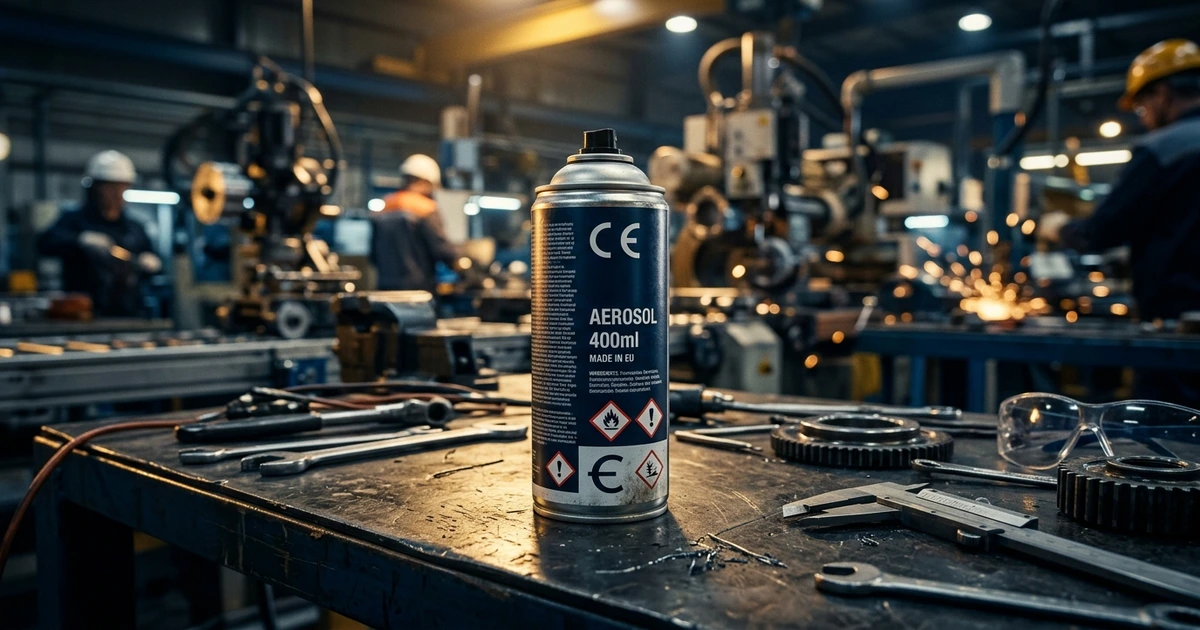
EU Aerosol Dispensers Directive 75/324/EEC: Testing, Labeling & CE Marking
Understand the EU Aerosol Dispensers Directive 75/324/EEC. Learn pressure testing thresholds, labeling requirements, and CE marking compliance for European aerosols.
 Personal Care & Cosmetic Aerosols
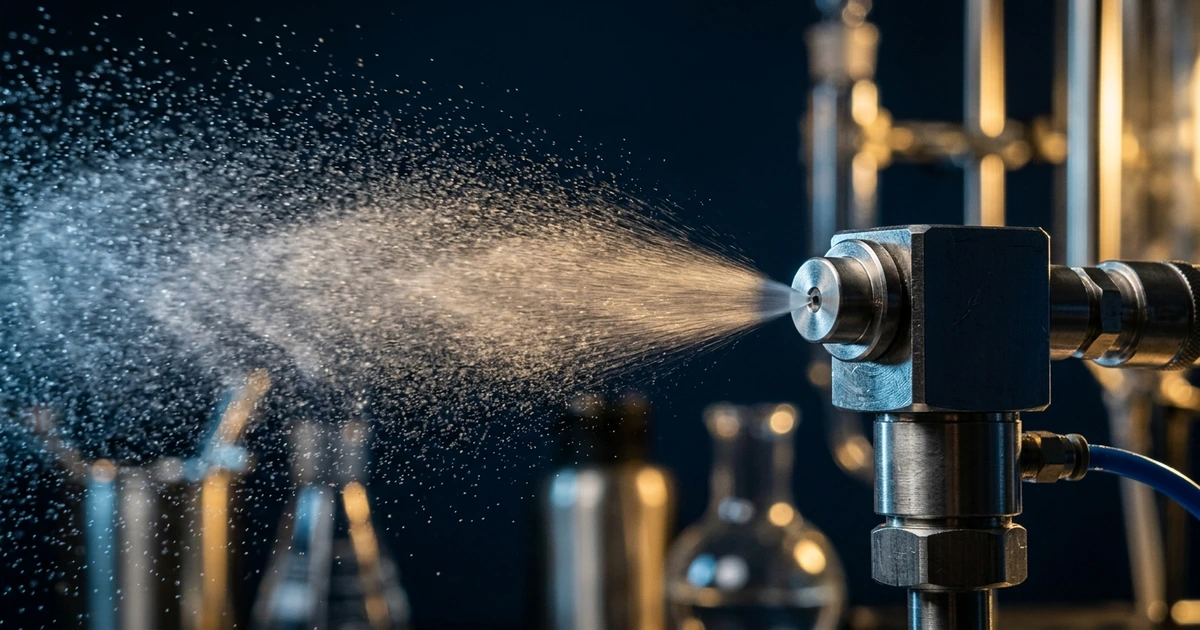
Aerosol Body Mist vs Fine Fragrance Spray: Alcohol Concentration, Projection & Stability
Compare aerosol body mist and fine fragrance spray formulation. Learn how alcohol concentration, propellant choice, and scent projection differ across product tiers.
 Industrial & Specialty Aerosols
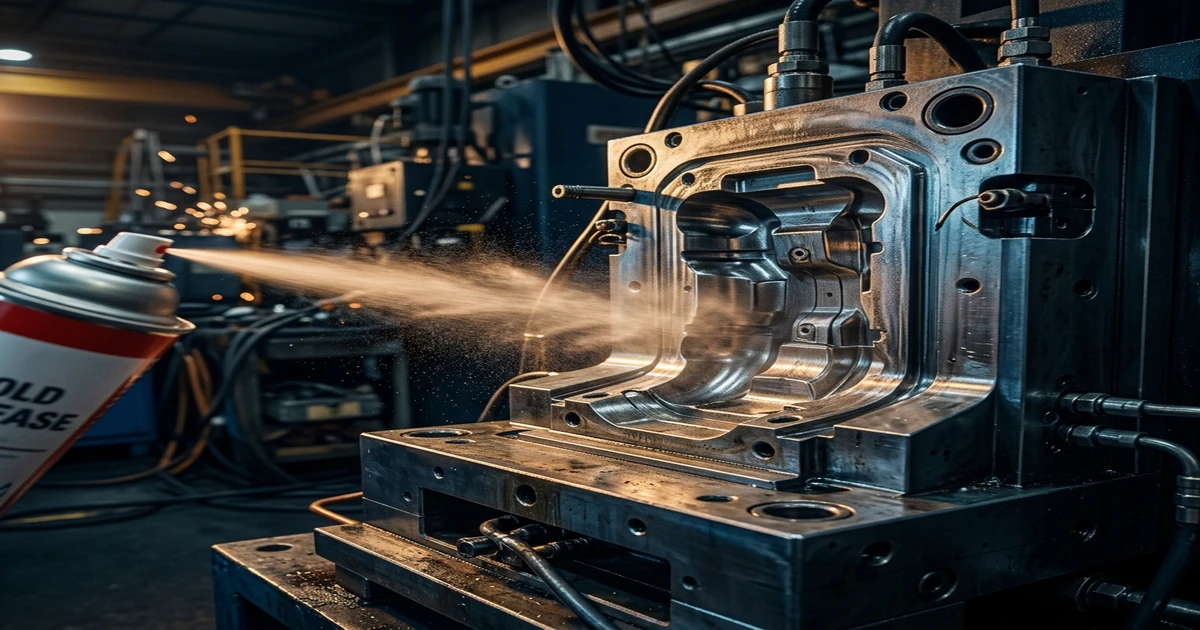
Aerosol Mold Release Agents: Silicone vs Non-Silicone Types & Surface Compatibility
Explore aerosol mold release agent chemistry. Compare silicone and non-silicone sprays, and learn how surface compatibility impacts industrial molding.
 Aerosol Propellants & Valves
Food-Grade Aerosols: Nitrous Oxide and CO₂ in Whipping Cream & Beverages
Discover the science of food-grade aerosol propellant technology. Learn how nitrous oxide and carbon dioxide function in whipping cream and beverage systems.
 Aerosol Technology & Engineering
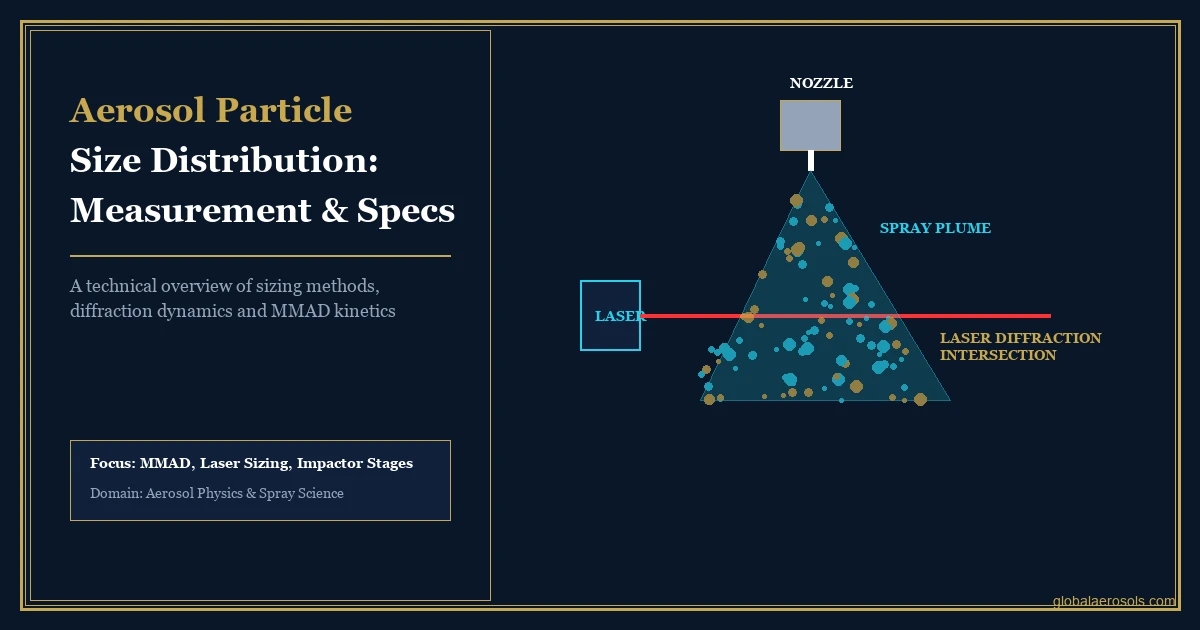
Aerosol Particle Size Distribution: Measurement Methods & Spray Characterization
Master aerosol particle size distribution. Learn about laser diffraction, cascade impactor testing, MMAD calculations, and spray characterization principles.
 Aerosol Regulatory & Safety
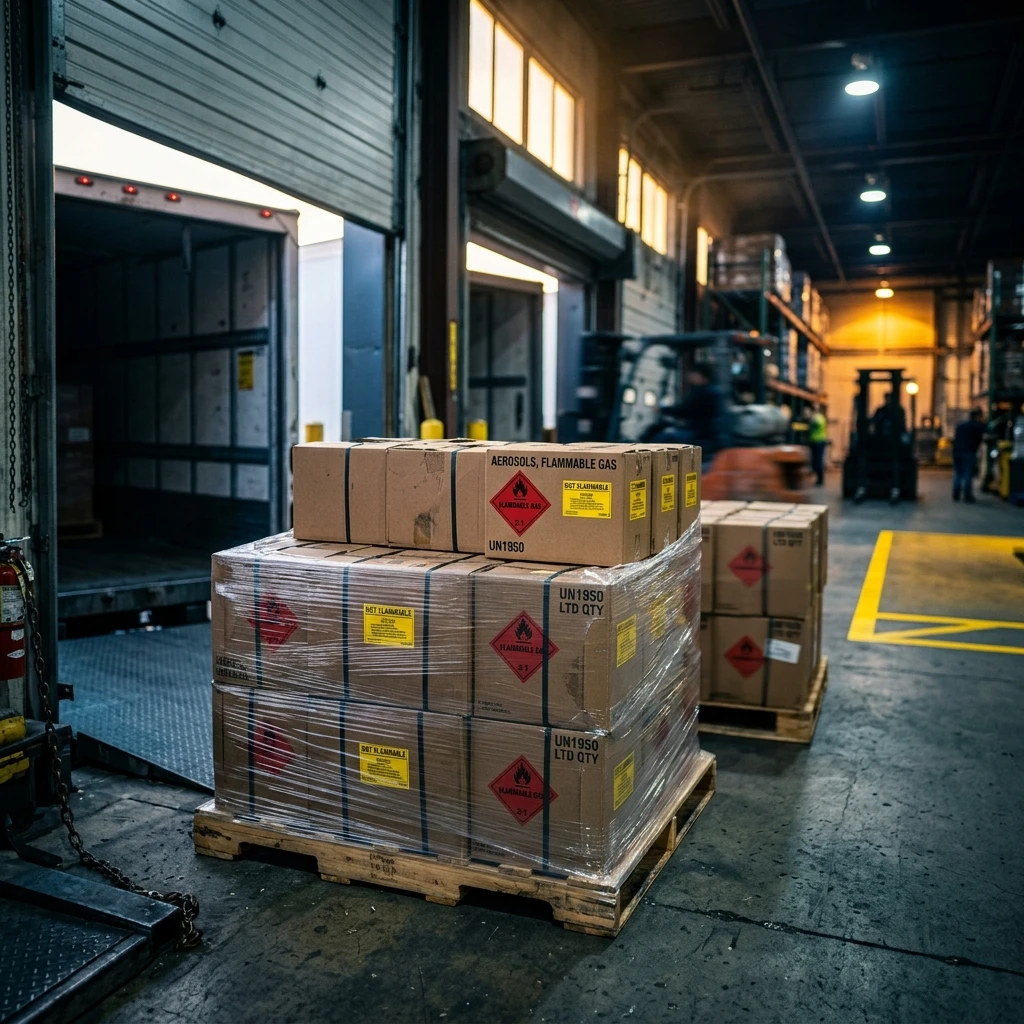
DOT & UN Aerosol Transport Regulations: Hazmat Classification & Packaging Requirements
Master DOT & UN aerosol transport regulations. Understand hazmat classification, UN 1950 guidelines, Limited Quantity exemptions, and IATA air transport rules.
 Personal Care & Cosmetic Aerosols
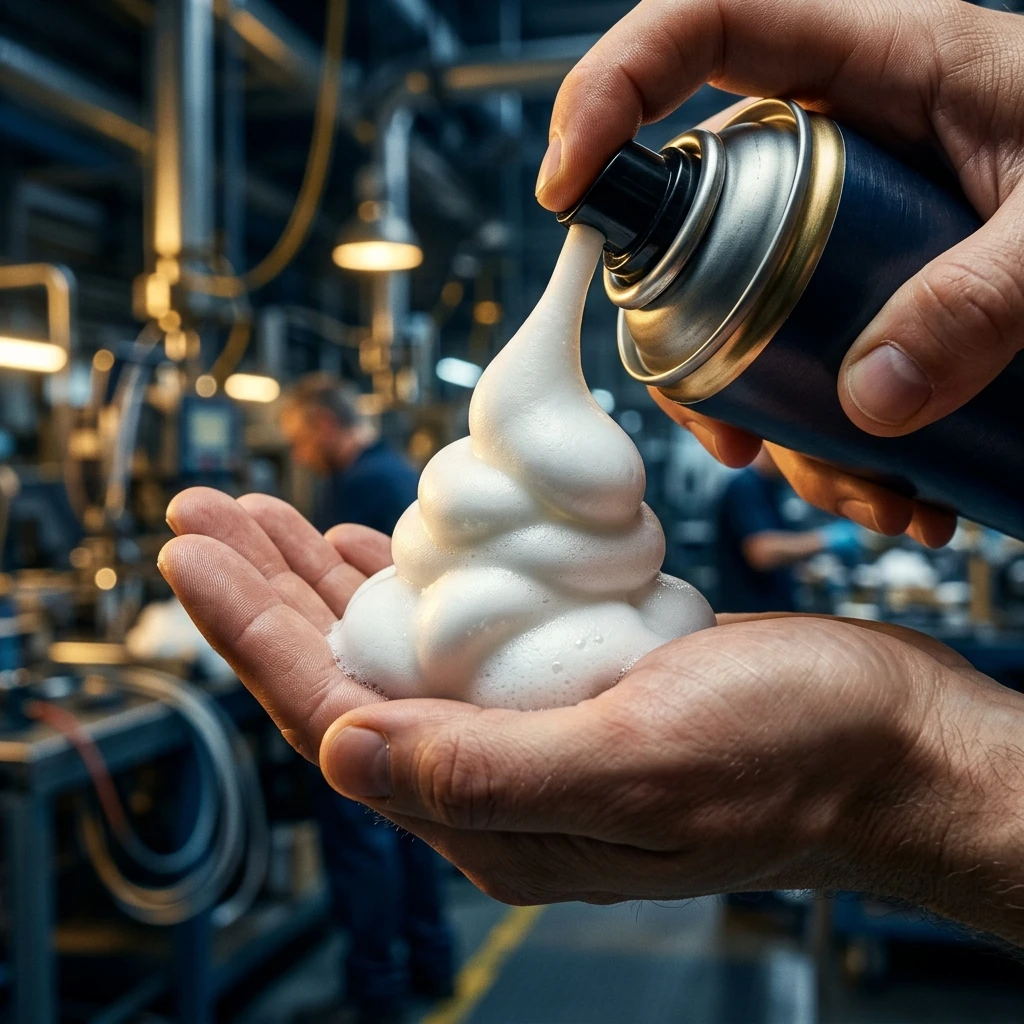
Hair Mousse Aerosol Technology: Polymer Types, Hold Classification & Foam Structure
A comprehensive guide to hair mousse aerosol technology. Explore polymer types, foam structure mechanisms, hold classification, and formulation chemistry.
 Industrial & Specialty Aerosols
Aerosol Dry Lubricants: PTFE, MoS2 and Graphite Suspension Formulations
Discover how to engineer an aerosol dry lubricant using PTFE, MoS2, and graphite suspensions. Expert guide on solid lubricant formulation and aerosol delivery.
 Aerosol Propellants & Valves
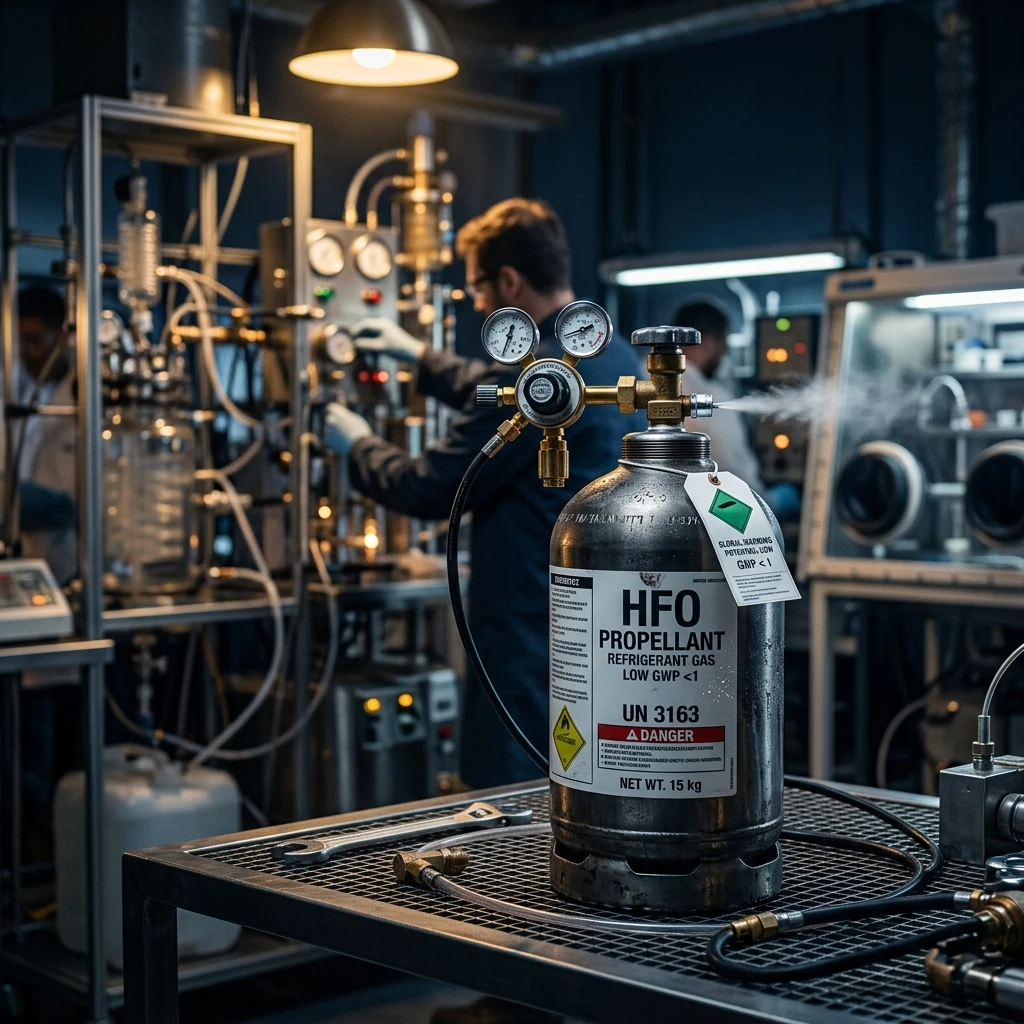
HFO-1234ze Propellant: Low-GWP Alternative to HFC-134a Explained
A technical guide to HFO-1234ze propellant as a low-GWP alternative to HFC-134a. Learn about thermodynamics, safety, compatibility, and aerosol engineering.
 Aerosol Technology & Engineering
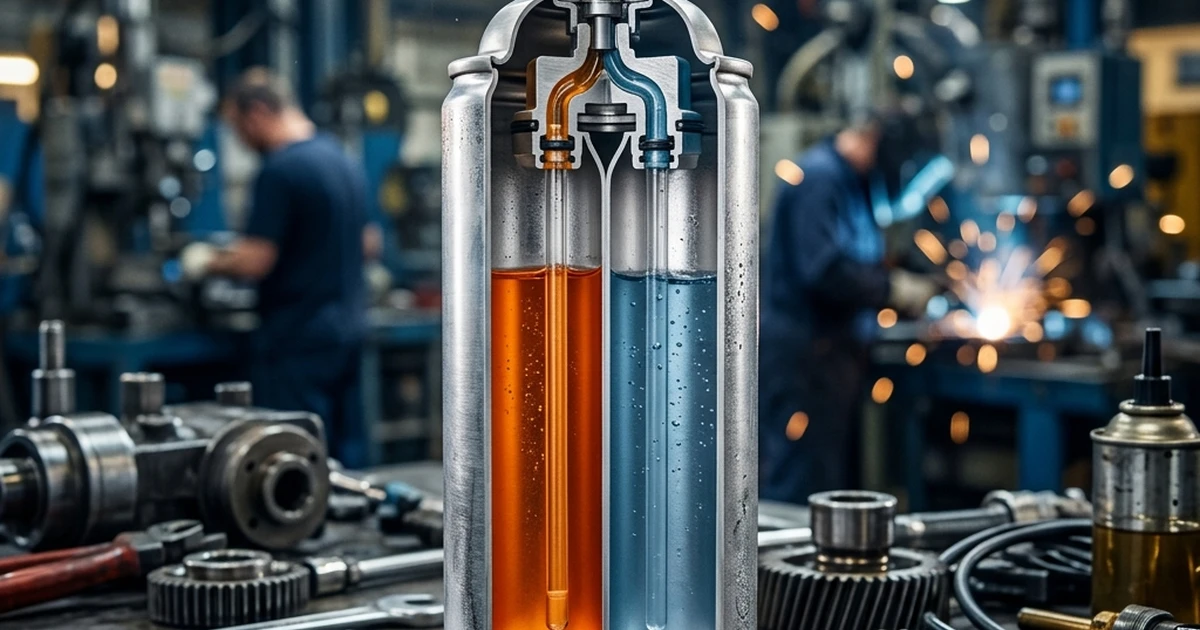
Two-Component Aerosol Systems: 2K Mixing Valves Guide
A technical engineering guide to two-component aerosol systems. Learn about 2K mixing valves, reactive formulations, dual-chamber cans, and spray dynamics.
 Aerosol Regulatory & Safety
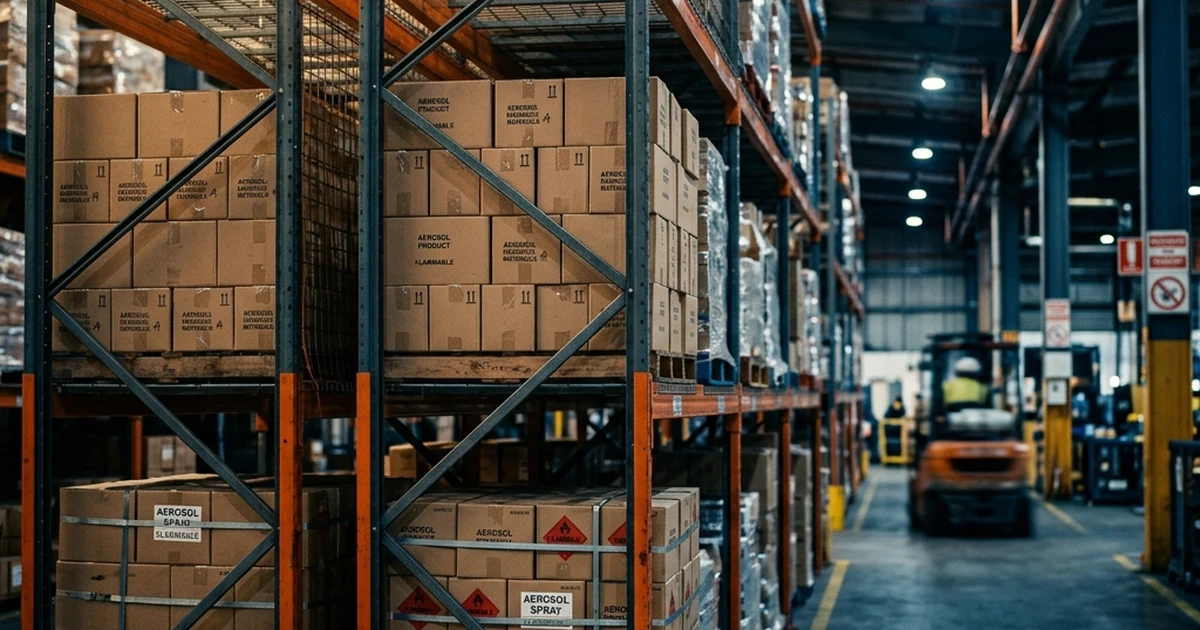
NFPA 30B: Aerosol Warehouse Storage Classification
A technical guide to NFPA 30B warehouse storage classification for aerosol products. Understand storage levels 1, 2, and 3, sprinkler design, and compliance safety standards.
 Personal Care & Cosmetic Aerosols
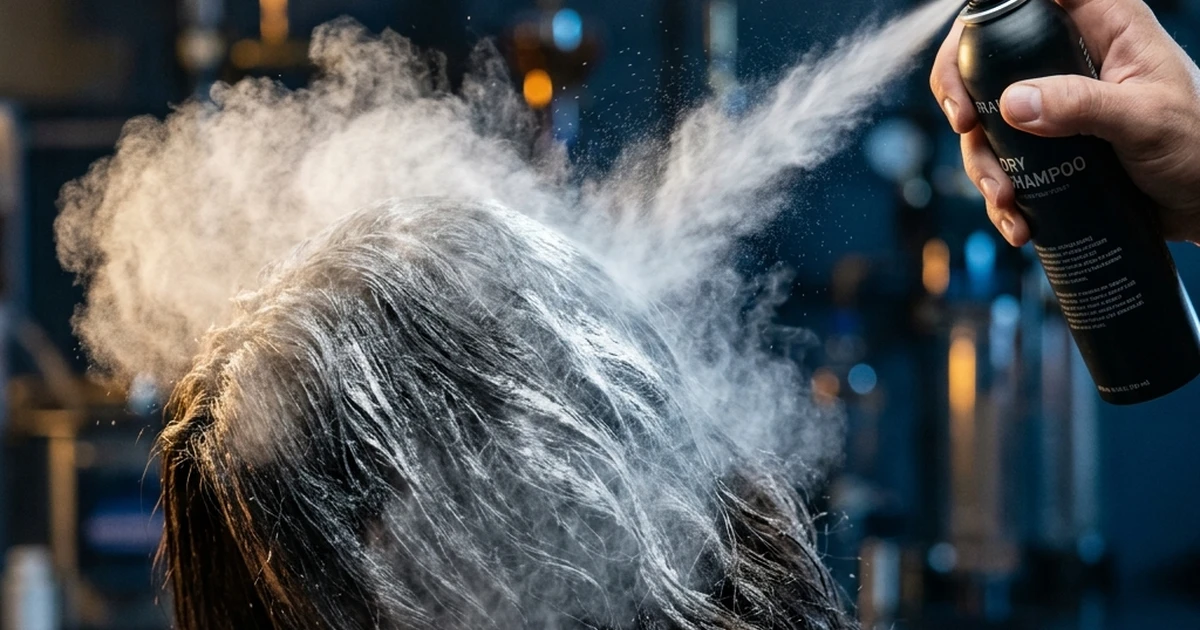
Dry Shampoo Aerosol Formulation: Starch & Propellant
A technical guide to dry shampoo aerosol formulation. Learn about starch types, oil absorption capacities, suspension stability, and propellant selection.
 Industrial & Specialty Aerosols
Penetrating Oil Aerosols: Formulation Chemistry & Capillary Action Mechanisms
A technical guide to penetrating oil aerosol formulation. Explore solvent selection, capillary action mechanisms, surface tension lowering, and MRO applications.
 Aerosol Propellants & Valves
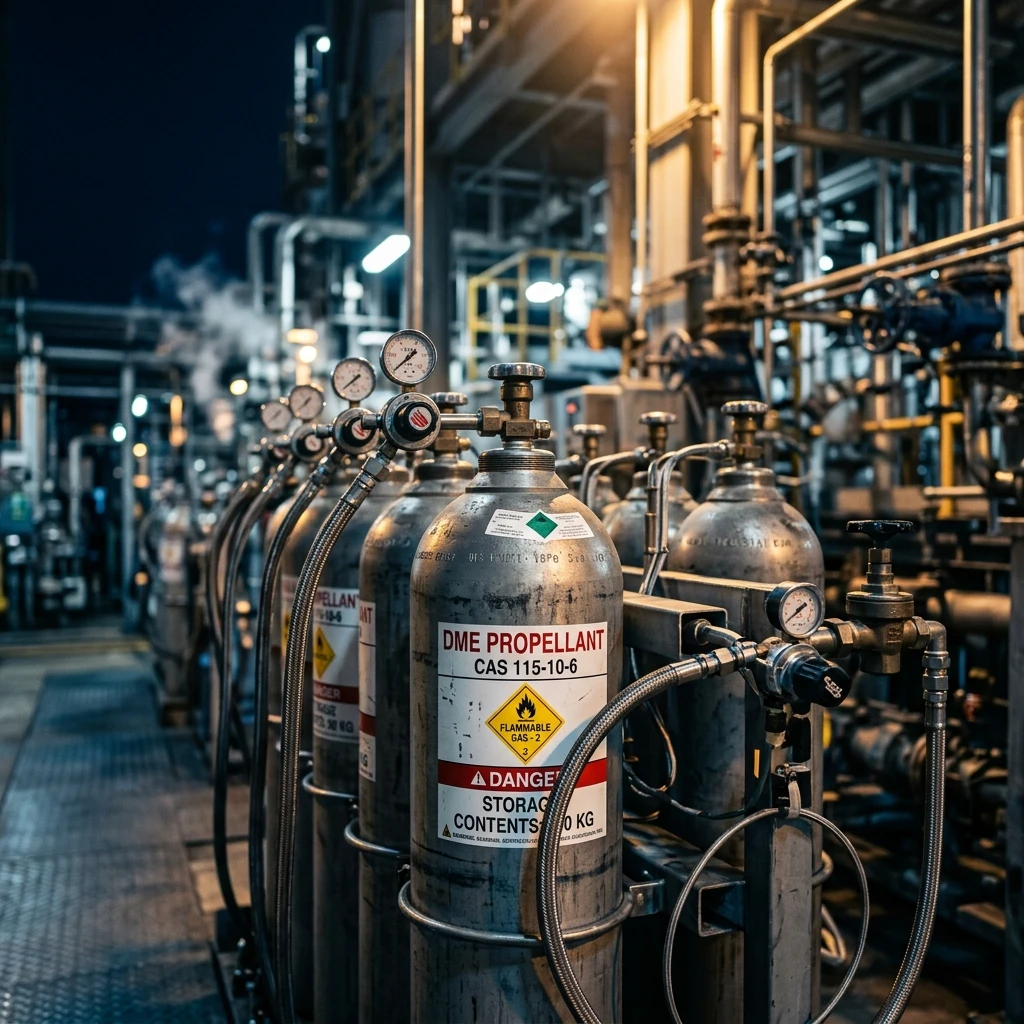
Dimethyl Ether (DME) as an Aerosol Propellant: Compatibility, Toxicology & Performance
A technical guide to Dimethyl Ether (DME) aerosol propellant. Learn about solvency parameters, valve elastomer compatibility, toxicology, and low-GWP environmental benefits.
 Aerosol Technology & Engineering
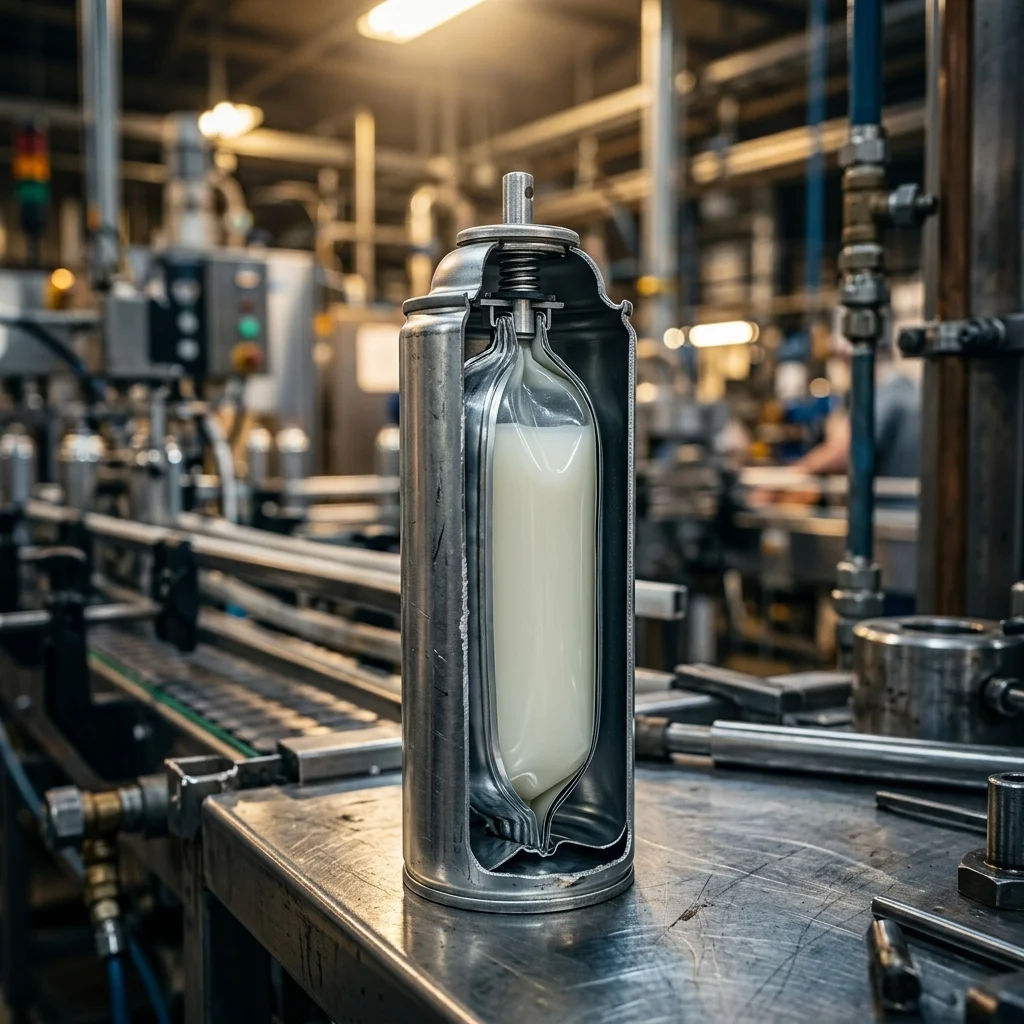
Bag-on-Valve Technology: Design & Applications Guide
Explore the engineering of bag-on-valve technology. Learn about BOV aerosol system design, sterile pharmaceutical filling, and 360-degree spray benefits.
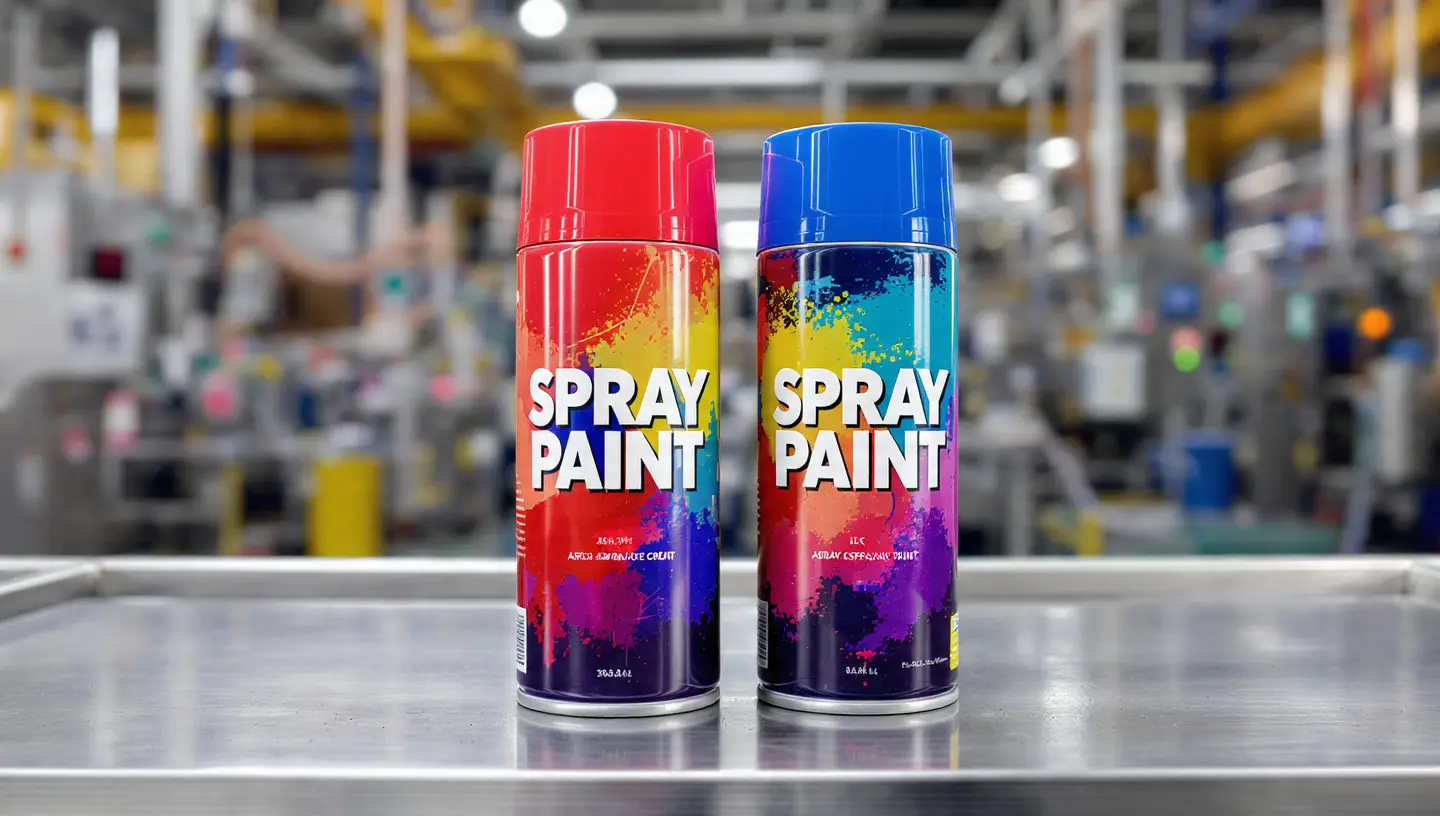 Aerosols & Gas Dosing
Aerosol Manufacturing 101: Technical Guide to Formulation & Safety
Complete technical guide to aerosol manufacturing covering formulation chemistry, propellants, safety systems, regulations, and startup setup for global markets.
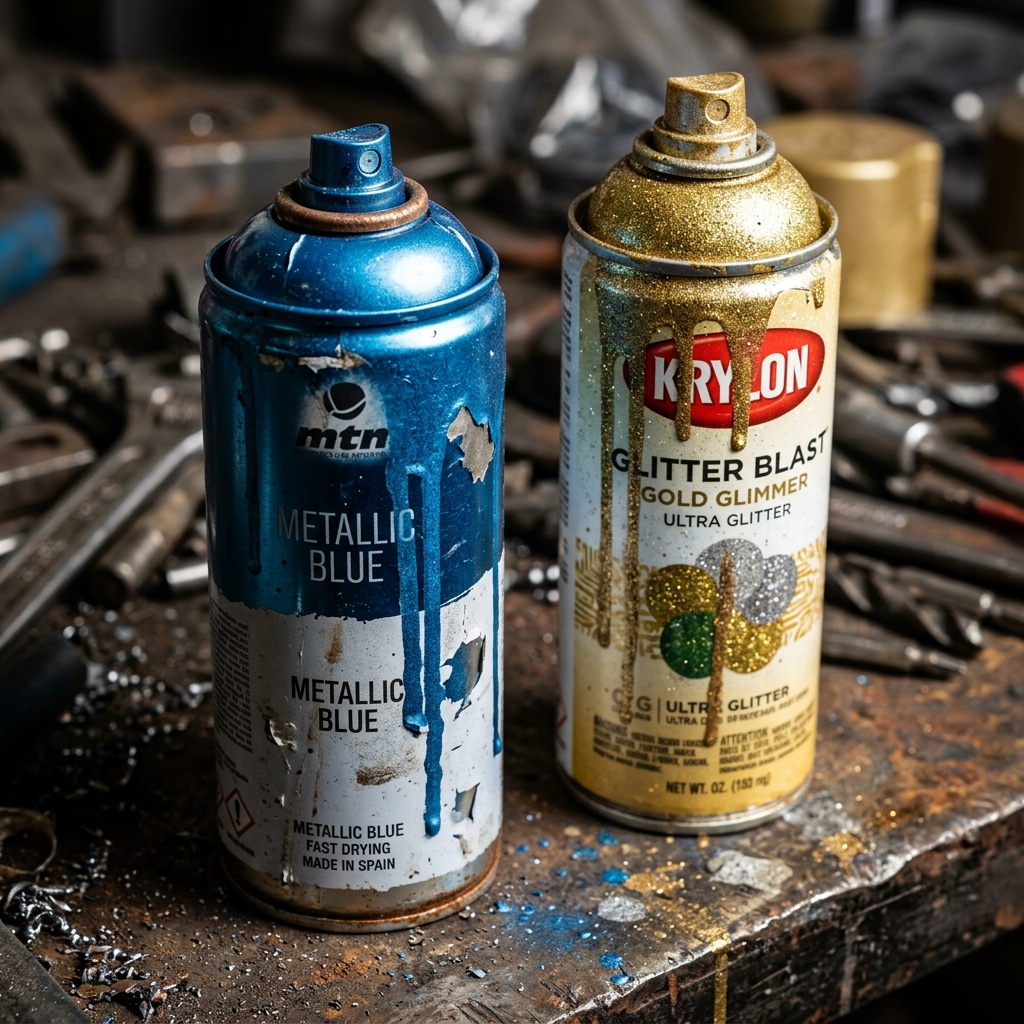 Paints & Coatings
Failures in Aerosol Spray Paints & How to Prevent Them
Comprehensive guide to common failures in aerosol spray paints, including metallic, glitter, and zinc-rich sprays, with prevention and troubleshooting measures.
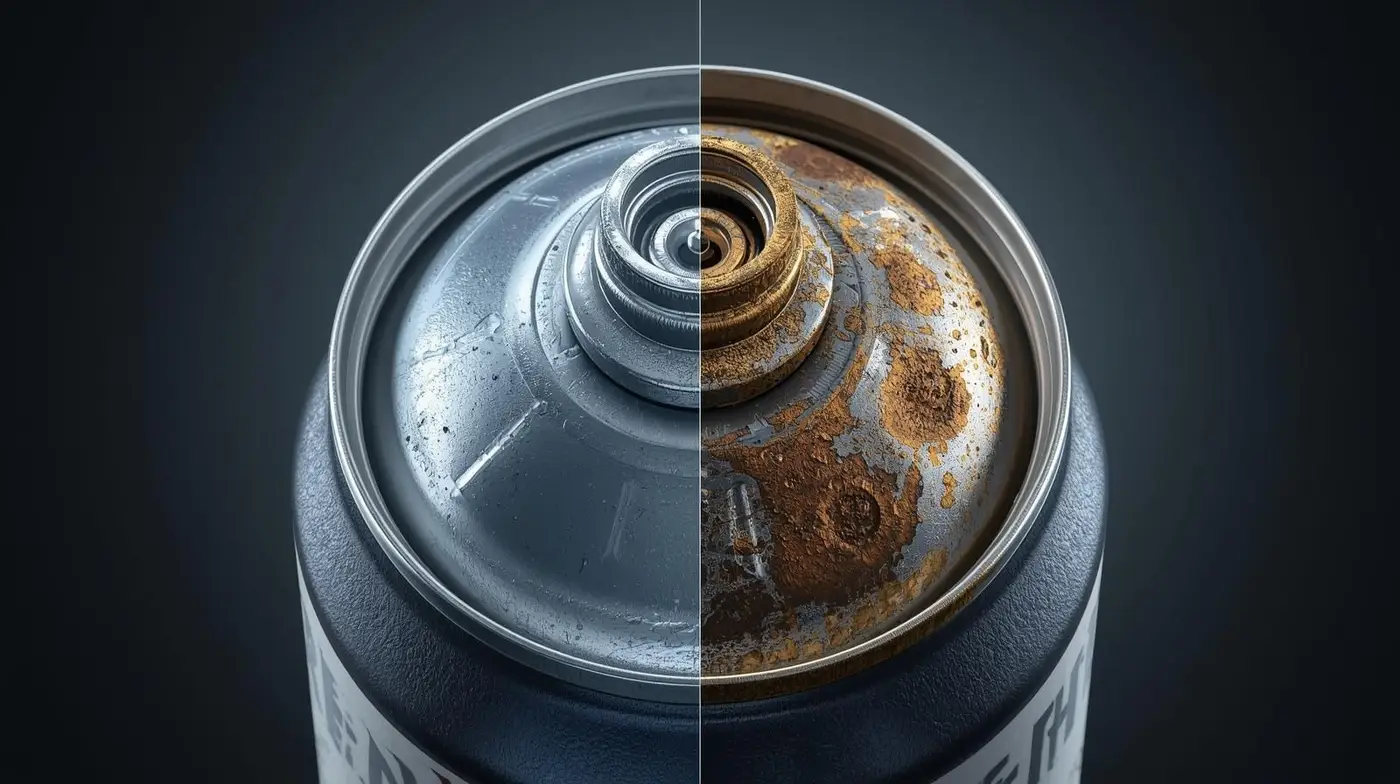 Aerosols & Gas Dosing
Corrosion in Water-Based Aerosol Cans: Causes & Control
Why do water-based aerosol cans corrode? Learn the electrochemical mechanisms, accelerating factors and proven industrial control measures for manufacturers.
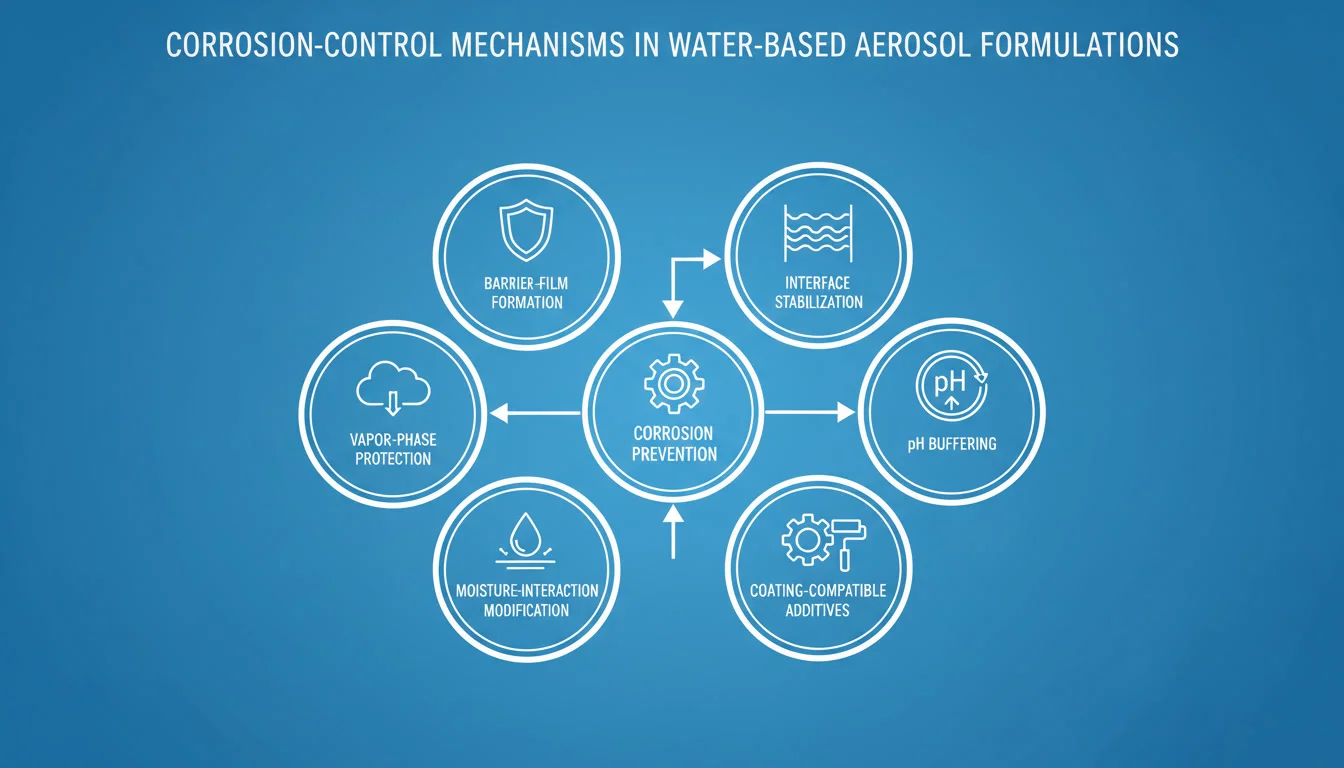 Aerosols & Gas Dosing
Aerosol Can Corrosion Part 2: Formulations & Coatings
How do formulation and coating choices drive aerosol can corrosion? Part 2 covers vapour-phase attack, inhibitor packages and lab evaluation methods.
 Cosmetics & Personal Care
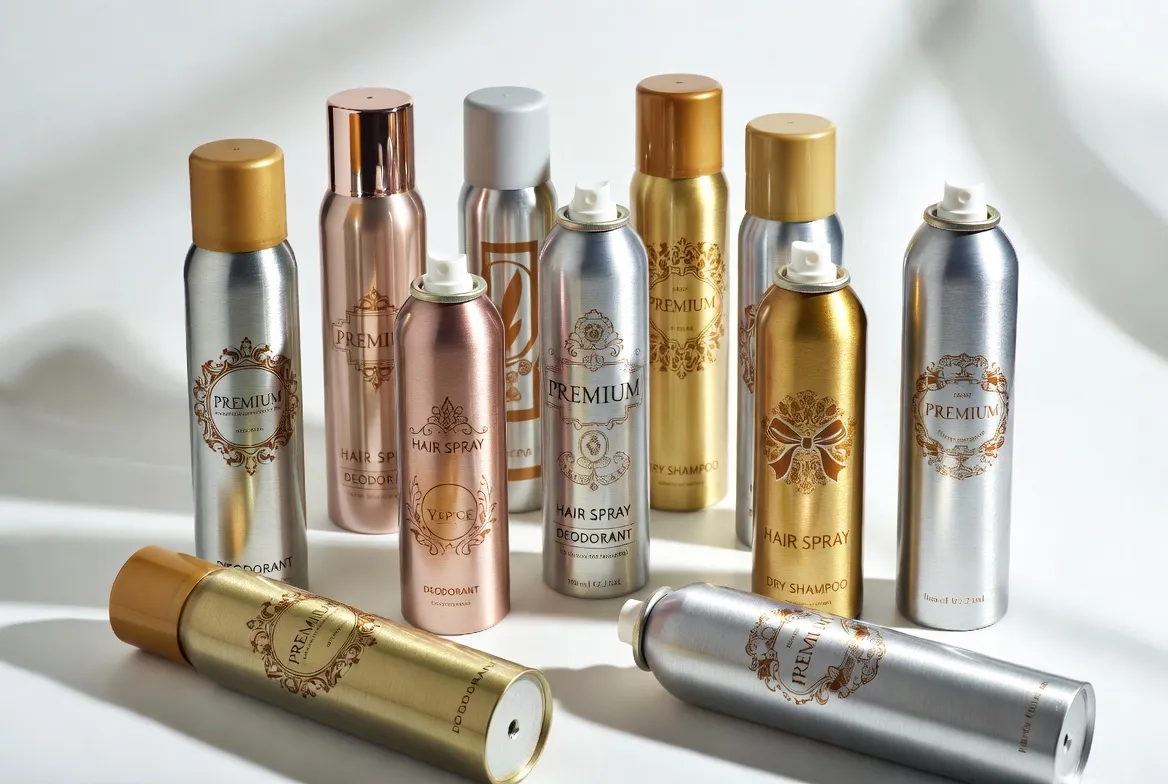
 Aerosols Manufacturing Guide
Complete cosmetics and personal care aerosols manufacturing guide covering deodorants, hair sprays, mousse, quality control, regulations, and contract manufacturing.
 Aerosols & Gas Dosing
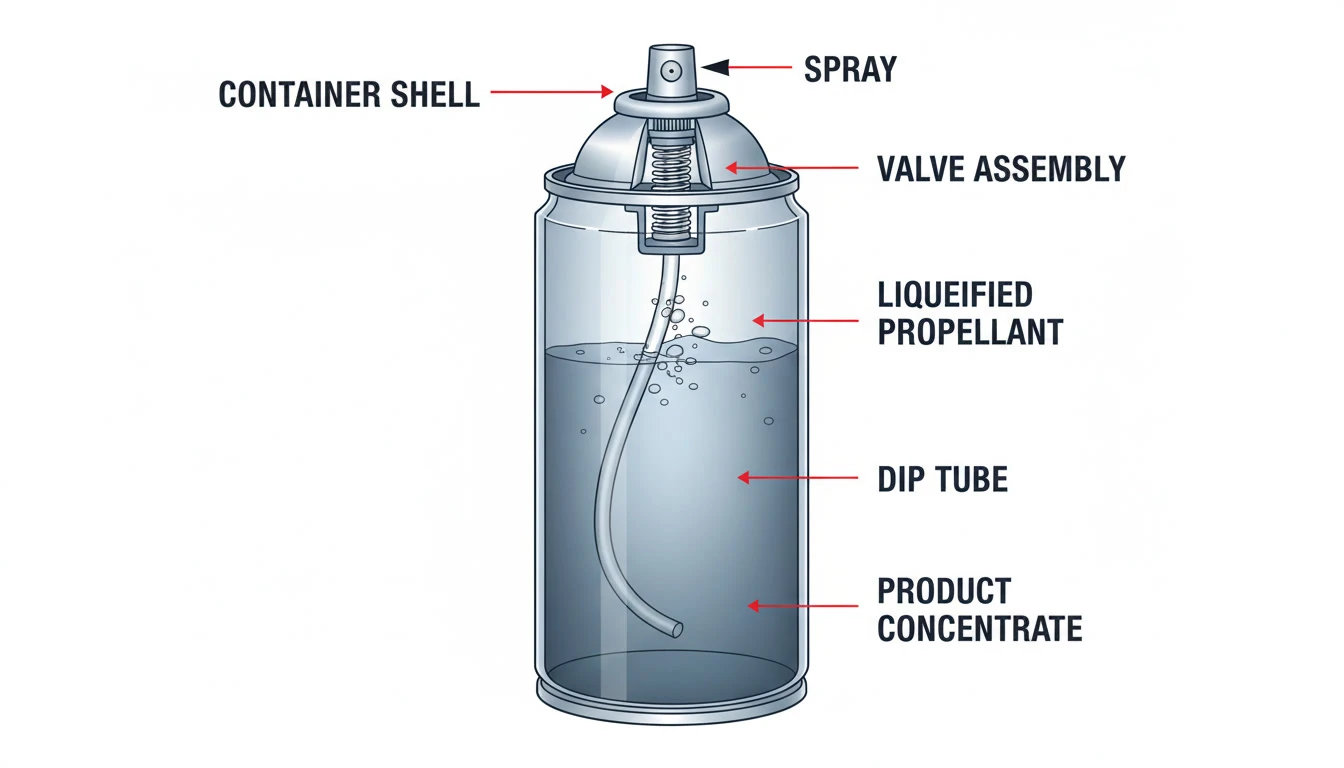
How Aerosol Cans Work: Propellant, Pressure & Valves
How do aerosol cans work? A technical guide to propellant pressure, valve mechanics, actuator design and the spray dynamics inside every can.
 Aerosols & Gas Dosing
Aerosol Chemistry 101: Solvents, Binders & Surfactants
A technical guide to aerosol chemistry: how solvents, binders, surfactants and additives determine spray quality, film formation and formulation stability.
 Aerosols & Gas Dosing
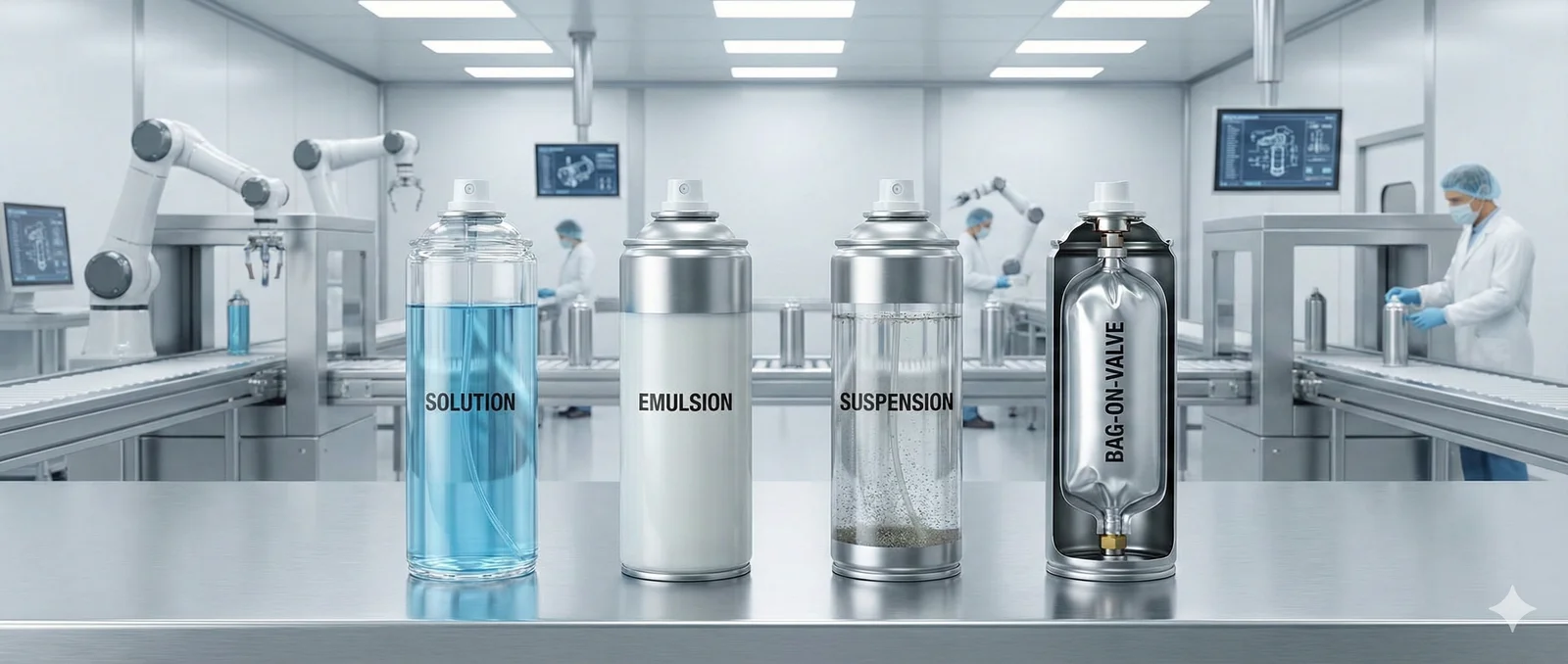
Types of Aerosol Systems: Solution, Emulsion & BOV
What are the four aerosol system types? Compare solution, emulsion, suspension and bag-on-valve designs, their chemistry and how to select one.
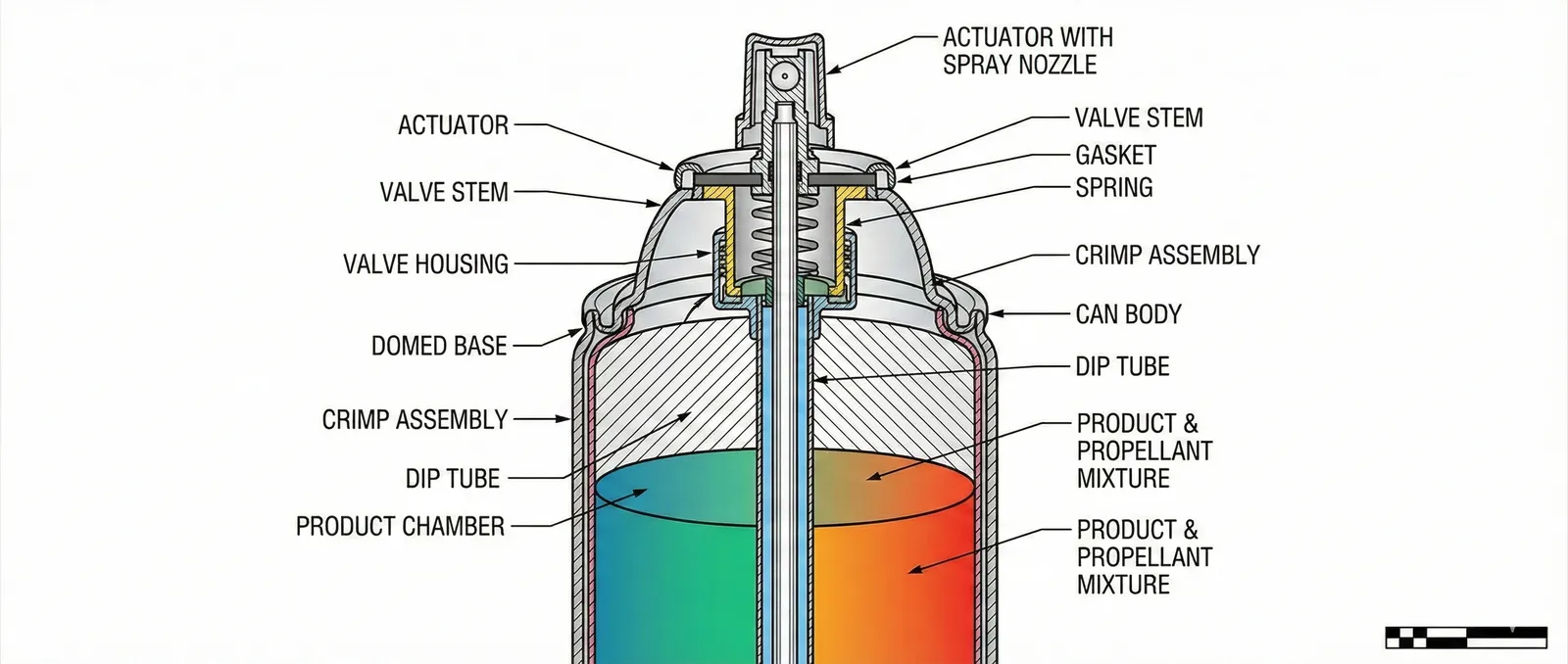 Aerosols & Gas Dosing
Aerosol Propellants: LPG vs DME vs HFC vs N₂ vs CO₂
Which aerosol propellant should you use? Compare LPG, DME, HFC, nitrogen and CO₂ on vapour pressure, flammability, solvency and global warming potential.
 Aerosols & Gas Dosing
Flash Point Explained: Why It Matters in Aerosol Safety
What is flash point and why does it matter for aerosol safety? Learn how flash point drives flammability classification, testing methods and formulation limits.
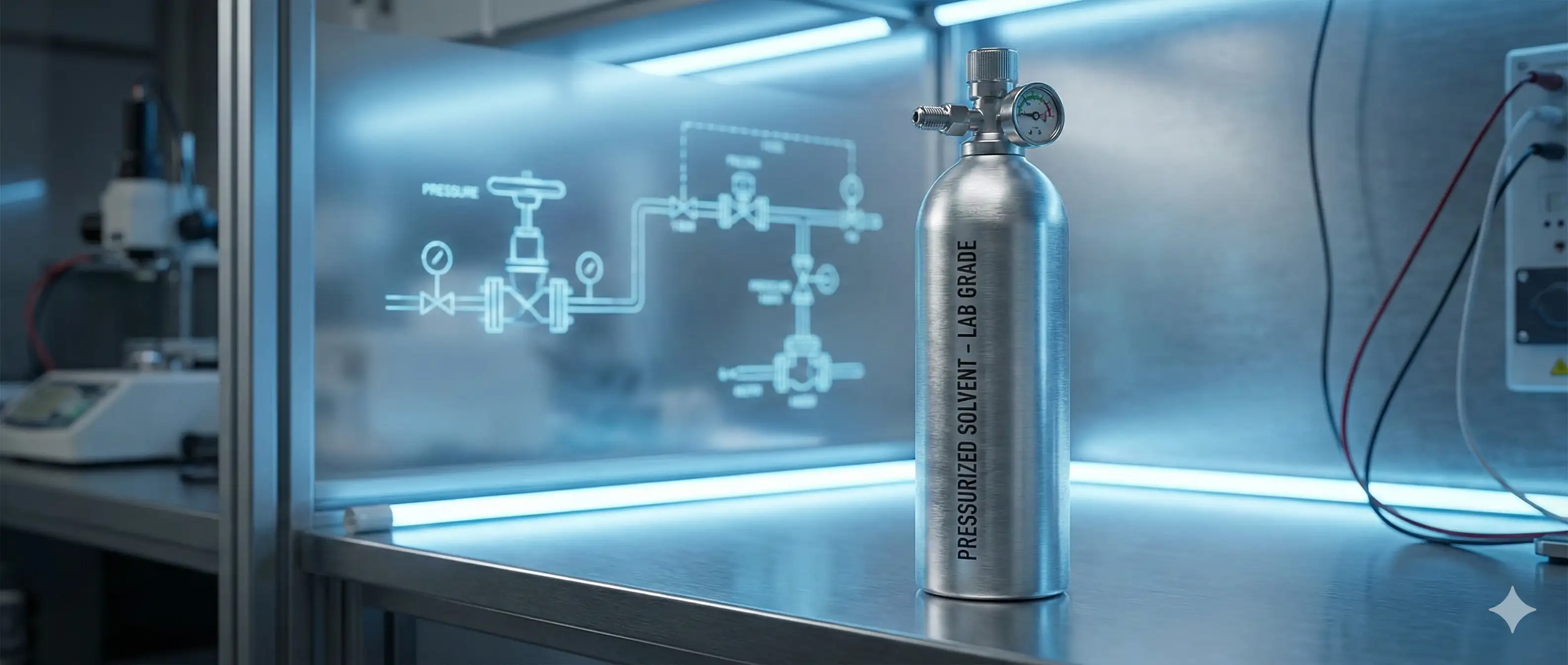 Aerosols & Gas Dosing
Aerosol Can Safety: Pressure, Burst Tests & DOT Rules
How safe is your aerosol can? Learn burst-test pressure calculations, hot water bath testing and global DOT/UN compliance requirements for manufacturers.
 Aerosols & Gas Dosing
Aerosol Scale-Up: From R&D to Commercial Launch
How do aerosol products scale from lab to commercial launch? Learn propellant behaviour, valve compatibility, filling-line validation and stability testing.
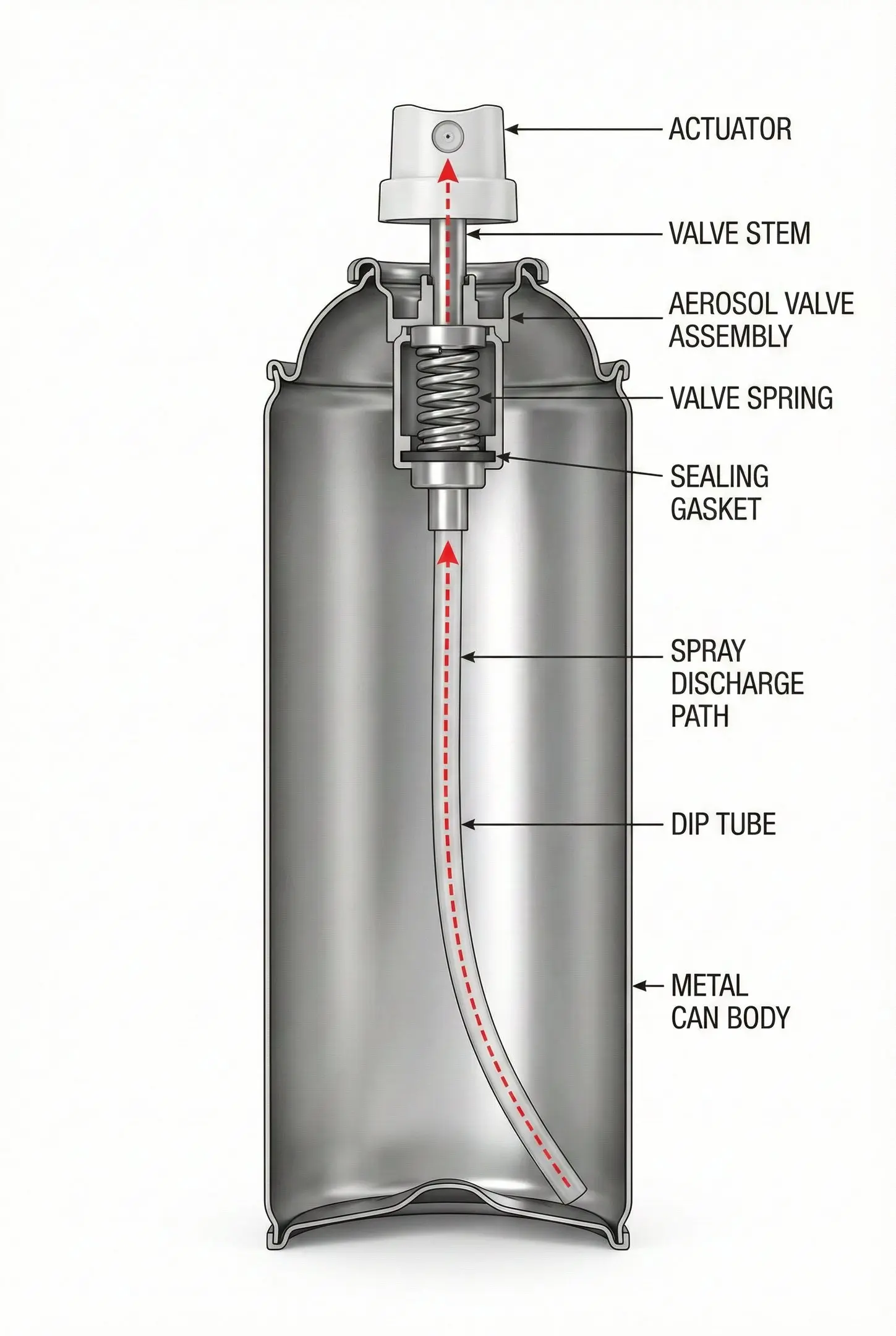 Aerosols & Gas Dosing
Aerosol Actuators 101: Design, Spray Patterns, and Industrial Applications
Aerosol actuators shape spray pattern, discharge rate, and droplet size. A technical guide to orifice engineering, actuator types, and selection criteria.
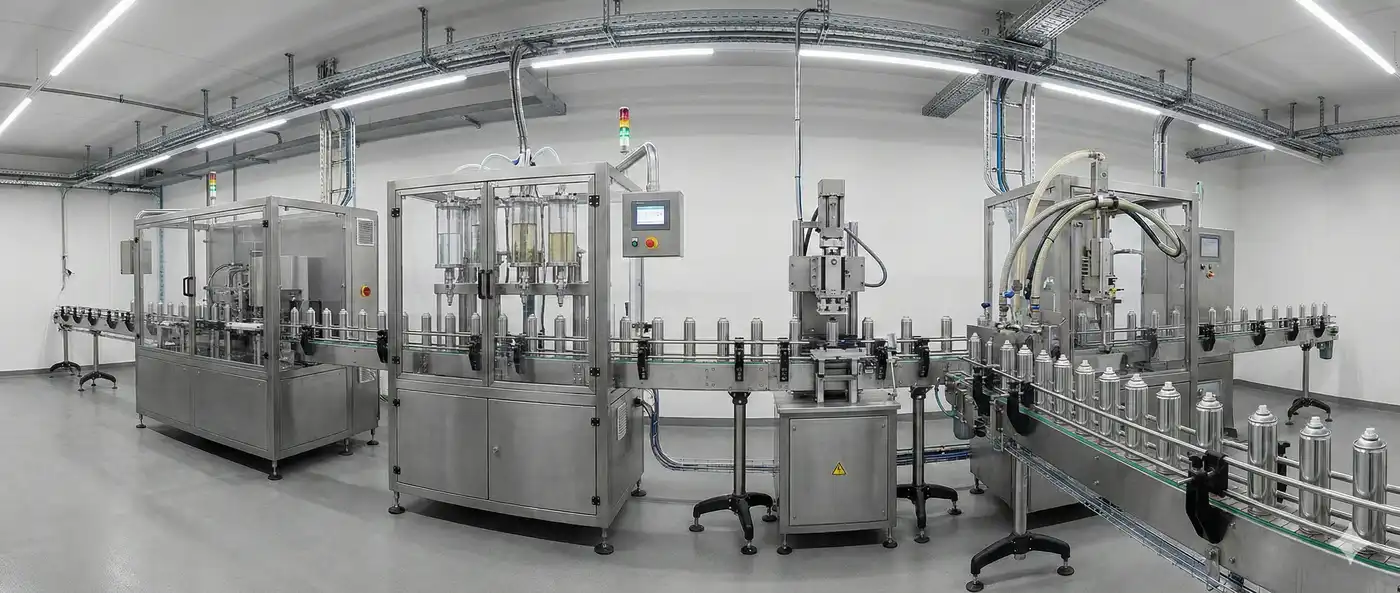 Aerosols & Gas Dosing
How Contract Aerosol Filling Works | Complete Guide for Startups & Brands
Contract aerosol filling lets brands outsource can filling to a licensed facility. Learn the workflow, equipment, compliance, costs, and partner selection.
 Aerosols & Gas Dosing
Aerosol Filling Line: Crimping, Gassing & Leak Detection
How does an aerosol filling line work? A technical guide to the four stages: precision crimping, propellant gassing, weight checking and leak detection.
 Aerosols & Gas Dosing
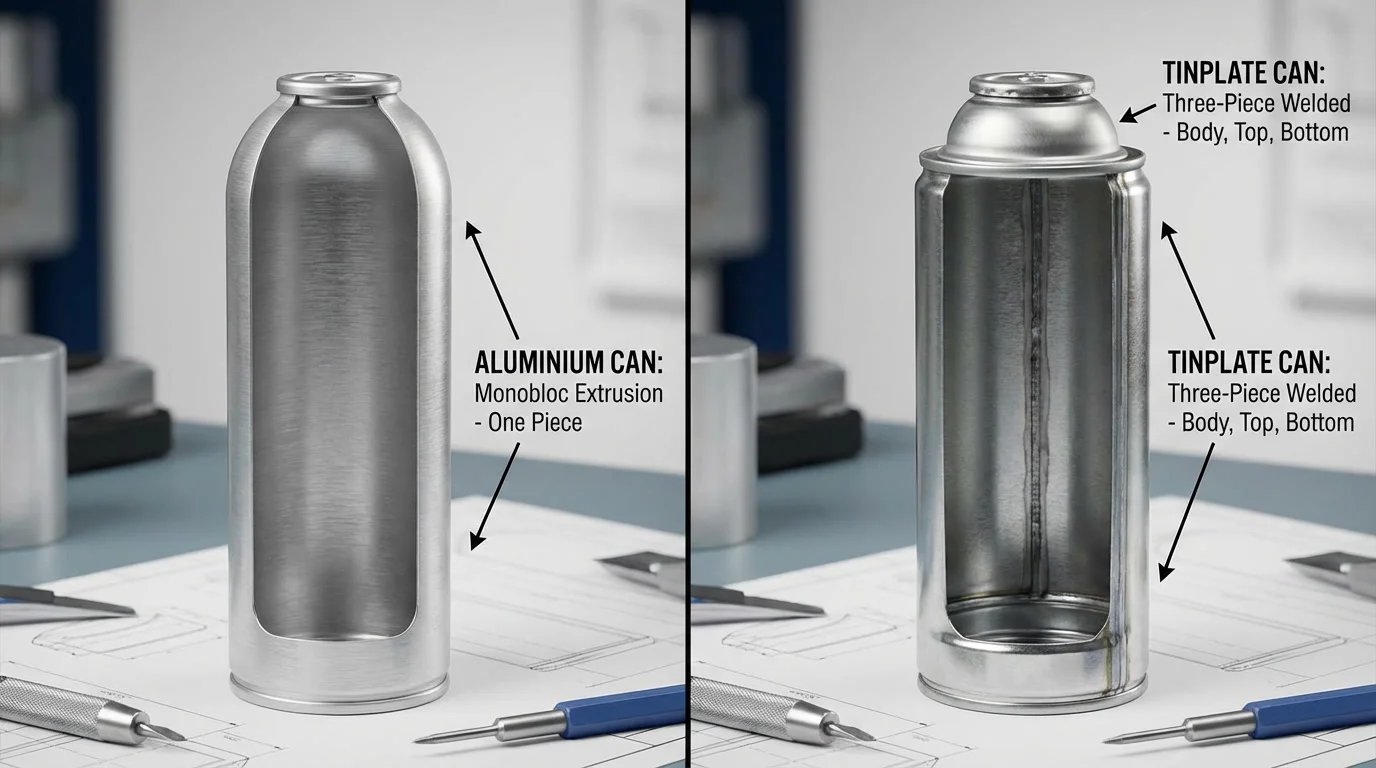
Aerosol Can Manufacturing Explained: How Aluminium and Tinplate Aerosol Cans Are Made
Aluminium and tinplate aerosol cans are made by different industrial processes. Learn impact extrusion, sheet forming, coatings, and filling-line integration.
 Aerosols & Gas Dosing
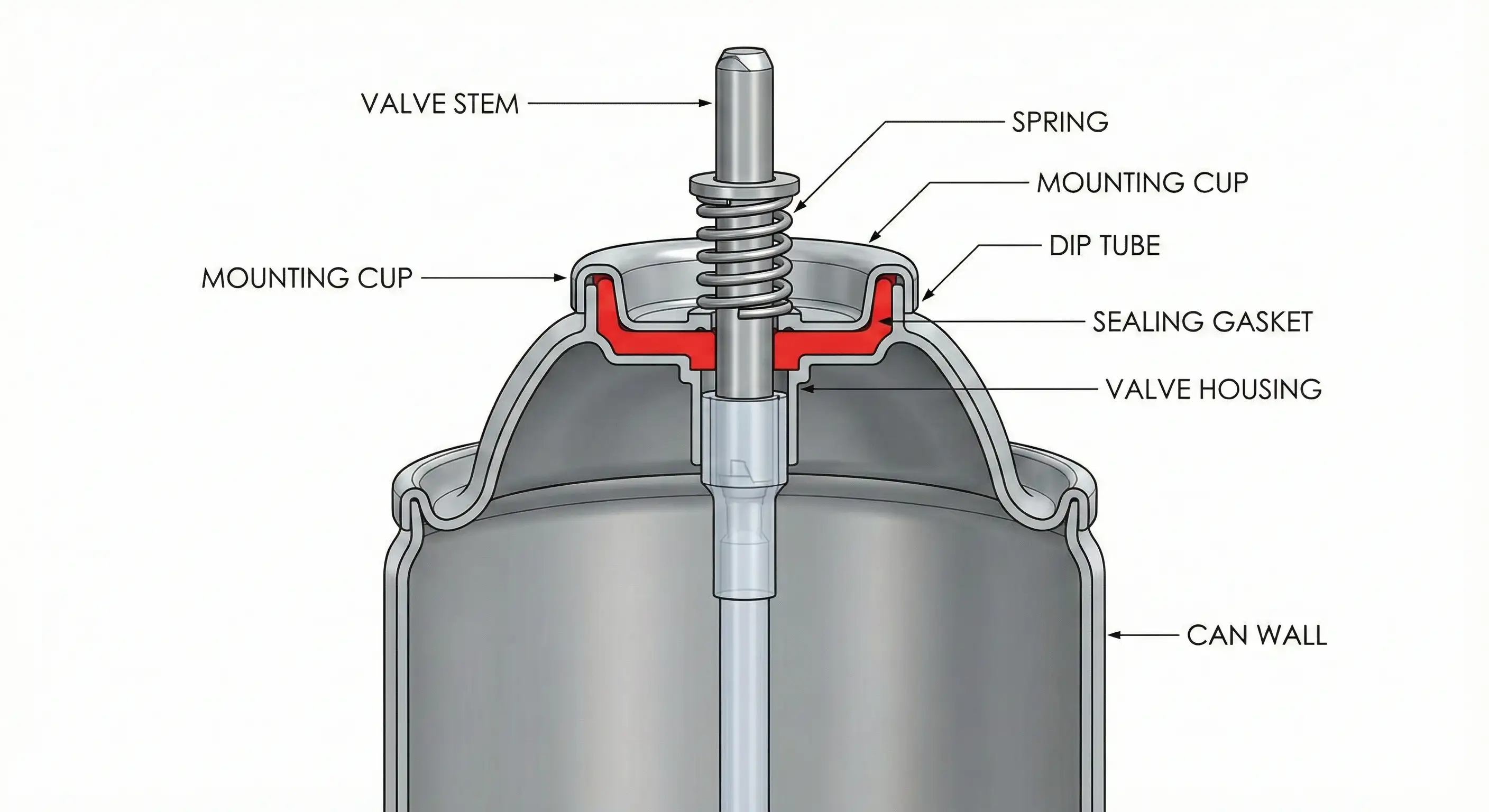
Aerosol Valve Gasket Materials: Types & Compatibility
Which aerosol valve gasket material suits your formulation? Compare buna, neoprene, butyl and EPDM chemistry, compatibility testing and failure modes.
 Aerosols & Gas Dosing
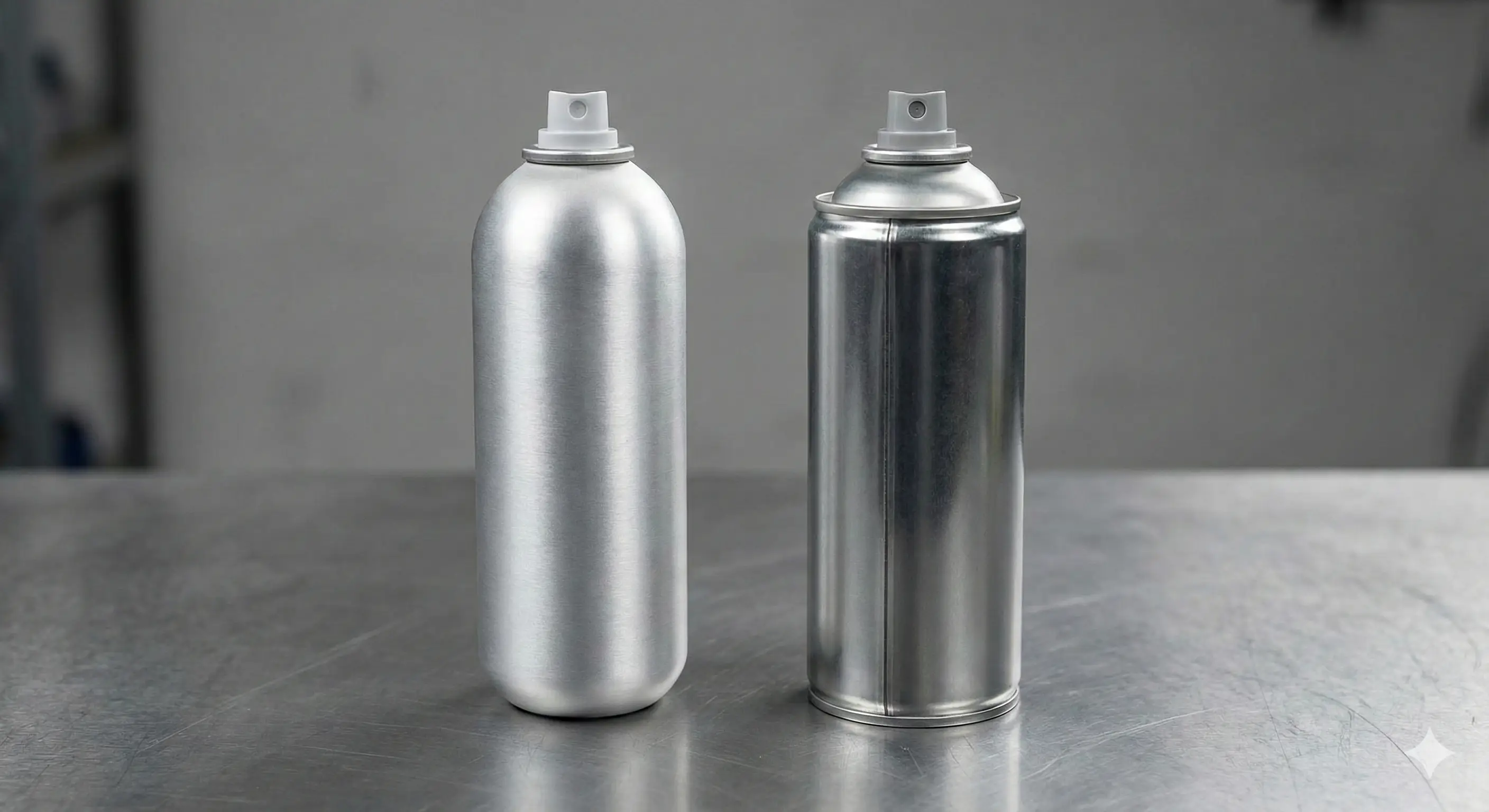
Aluminium vs Tinplate Aerosol Cans: Cost, Performance & Manufacturing Comparison
Aluminium vs tinplate aerosol cans differ in manufacturing, pressure performance, corrosion resistance, and cost — a technical comparison for engineers.
 Aerosols & Gas Dosing
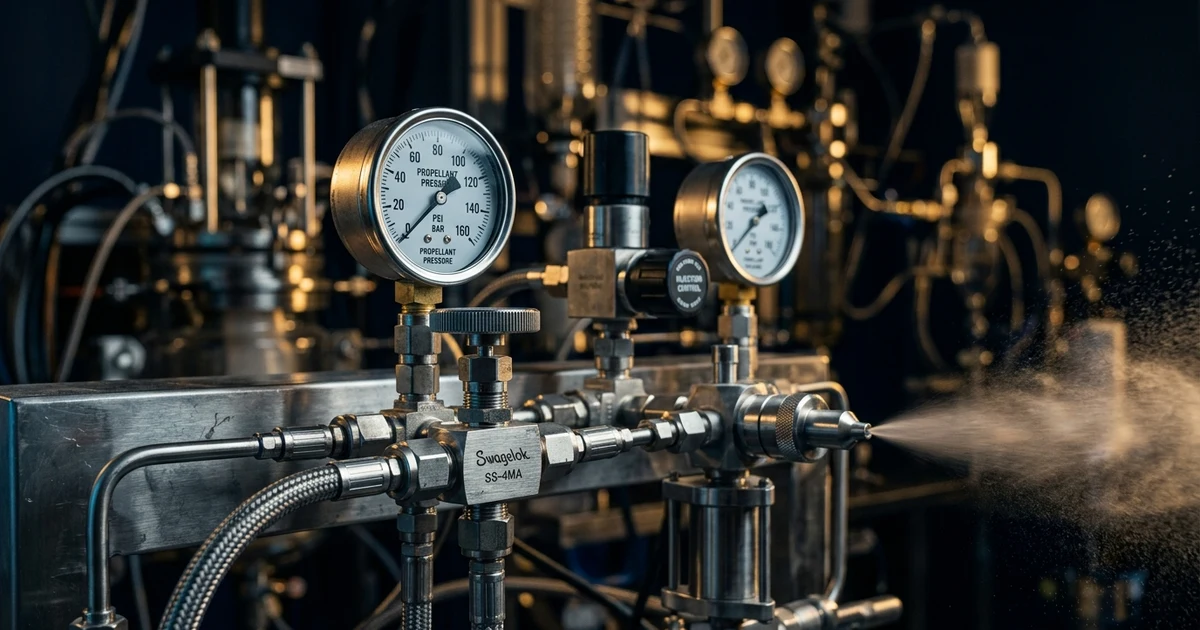
Propellant Influence on Aerosol Performance: LPG vs DME vs HFC vs CO₂ vs N₂
Propellant influence on aerosol performance spans vapor pressure, spray force, and atomization. Compare LPG, DME, HFC, CO2, and N2 for formulators.
 Aerosols & Gas Dosing
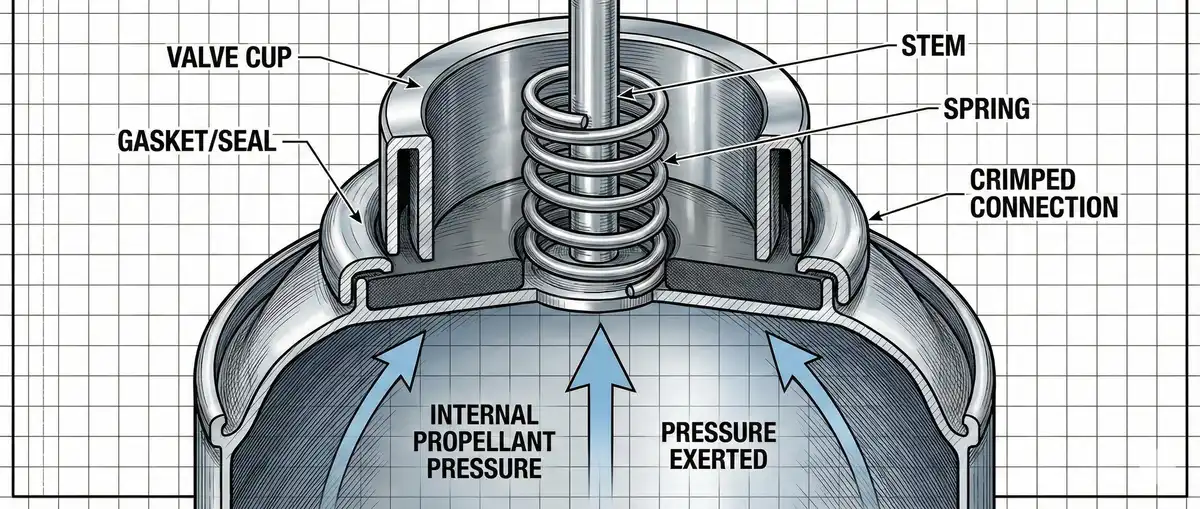
Why Aerosol Cans Leak: Causes, Faults & Proven Fixes
Why do aerosol cans leak? Learn how propellant pressure, valve seals, crimp defects and corrosion drive leakage, plus the fixes manufacturers rely on.
Cosmetics & Personal Care Cosmetic Aerosol Hair Products Explained: Hair Sprays, Color Sprays, Shampoos & Shine Systems
Technical guide to cosmetic aerosol hair products: formulation chemistry, hair sprays, dry shampoos, and temporary colors. Expert insights on manufacturing and performance.
 Aerosols & Gas Dosing
From Lab to Market: Aerosol R&D vs Pilot Scale vs Commercial Manufacturing
From lab to market explained for aerosols. A technical guide on aerosol R&D, pilot scale filling, and commercial manufacturing differences.
Cosmetics & Personal Care Personal Care Aerosols Explained: Deodorant & Body Spray Systems
Personal care aerosols—particularly deodorants and body sprays—represent one of the most technically demanding yet commercially scalable product categories in the FMCG sector.
 Lubricants & Tribology
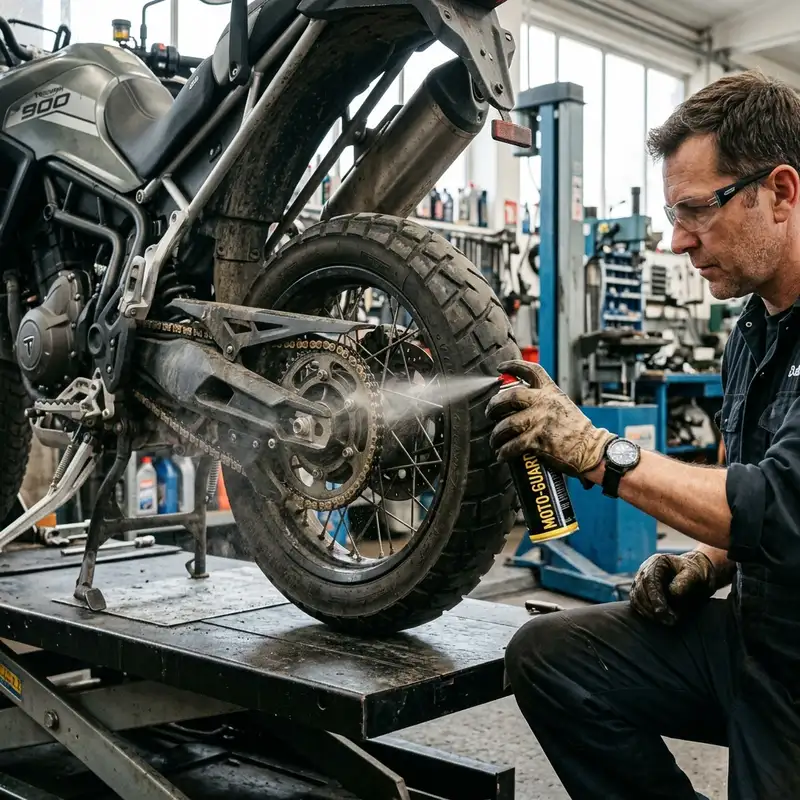
Chain Lubricant Aerosols: Science of Chemistry, Adhesion & Wear Protection | Global Aerosols
Technical deep-dive into the chemistry of aerosol chain lubricants. Understand adhesion, wear protection, tackifiers, and industrial formulation science.
 Household & Industrial Cleaners
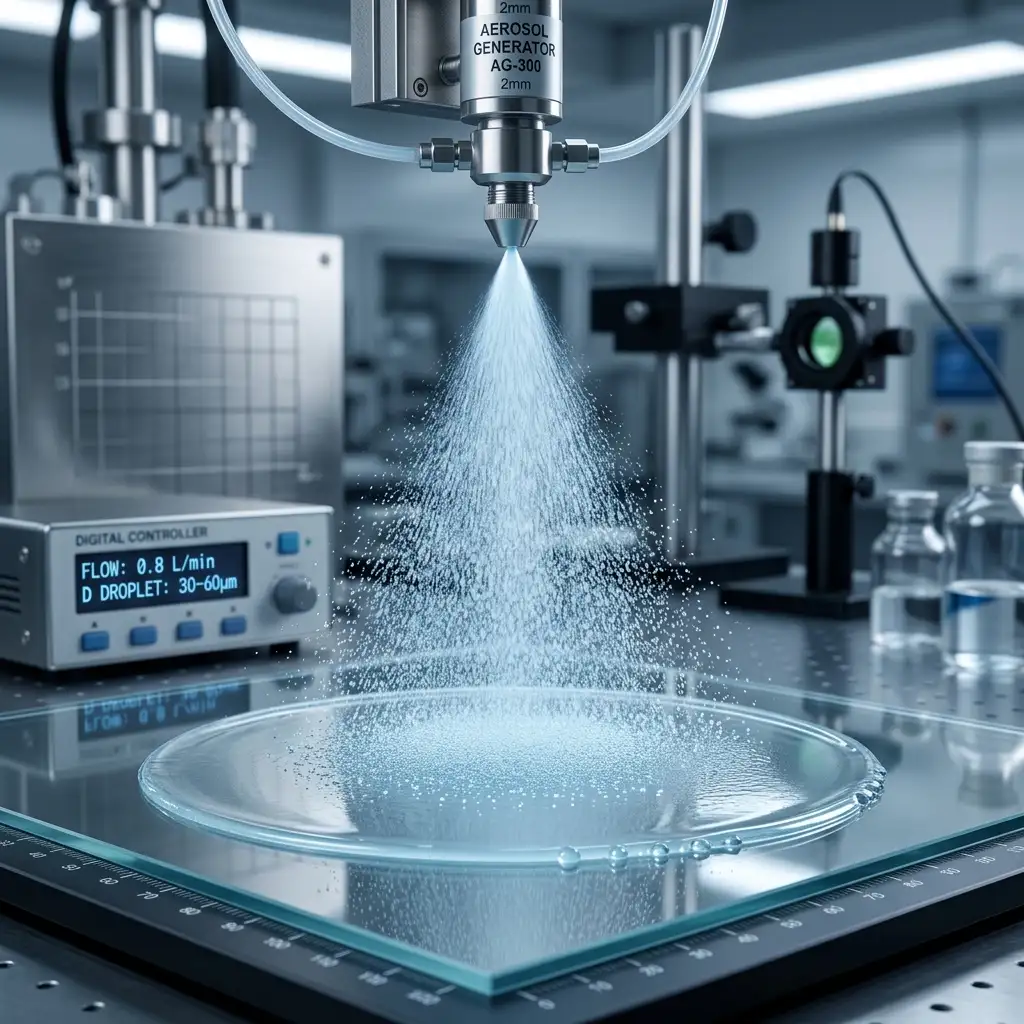
Disinfectant Aerosols: Engineering for Efficacy, Kill Mechanisms, and Regulatory Compliance | Global Aerosols
A comprehensive technical guide on disinfectant aerosol formulation, kill mechanisms, surface coverage engineering, and global regulatory compliance (EPA & CDSCO). Learn how aerosolized antimicrobials achieve 99.999% efficacy.
 Aerosols & Gas Dosing
SDS, TDS & COA for Aerosol Products: A Startup Guide
Learn what SDS, TDS and COA documents contain, how they differ, and which GHS, BIS and transport rules apply to aerosol products before your first batch ships.
 Household & Industrial Cleaners
Aerosol Air Freshener Dispersion & Odour Control Guide
Learn how aerosol air fresheners atomize fragrance, how odour counteractants neutralize malodours, and which formulation and filling controls protect quality.
 Household & Industrial Cleaners
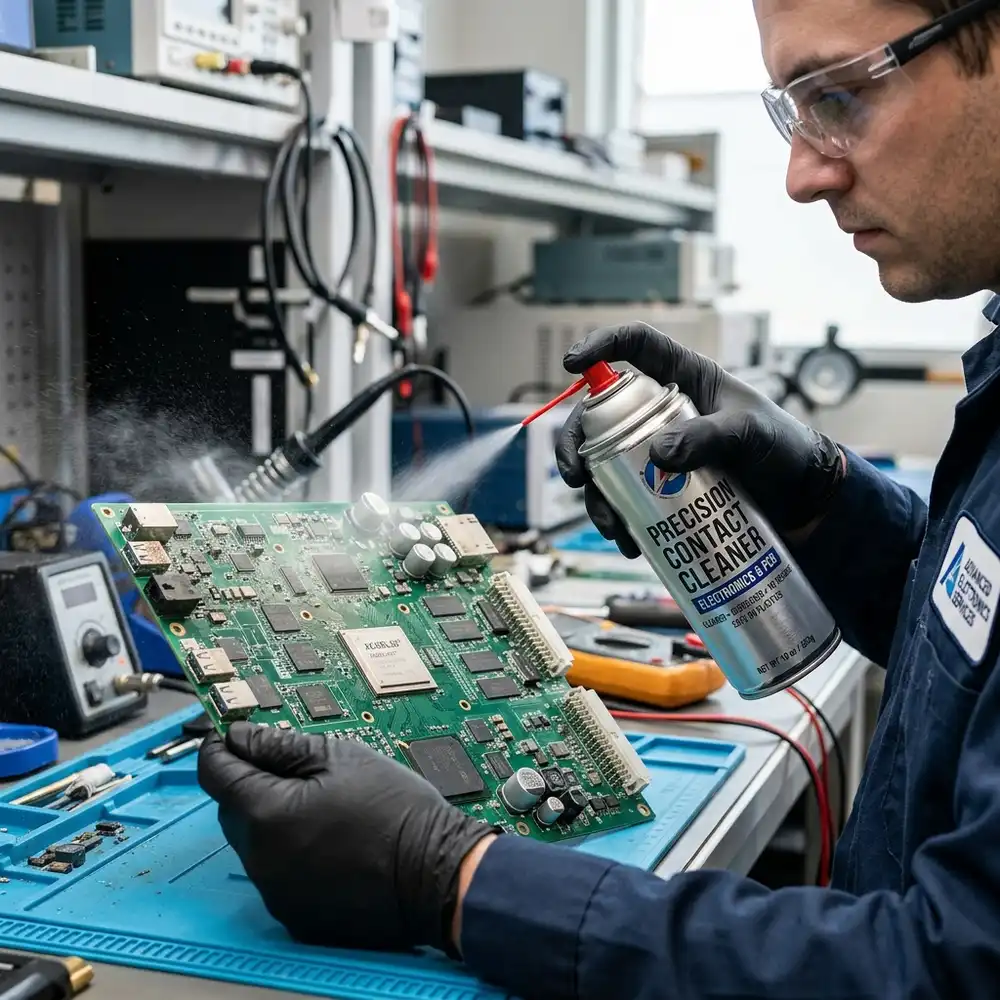
Aerosol Contact Cleaners: Dielectric Strength & Safety
Learn how aerosol contact cleaners balance dielectric strength, evaporation rate, and plastic safety, and how to clean live electronics without ignition risk.
 Household & Industrial Cleaners
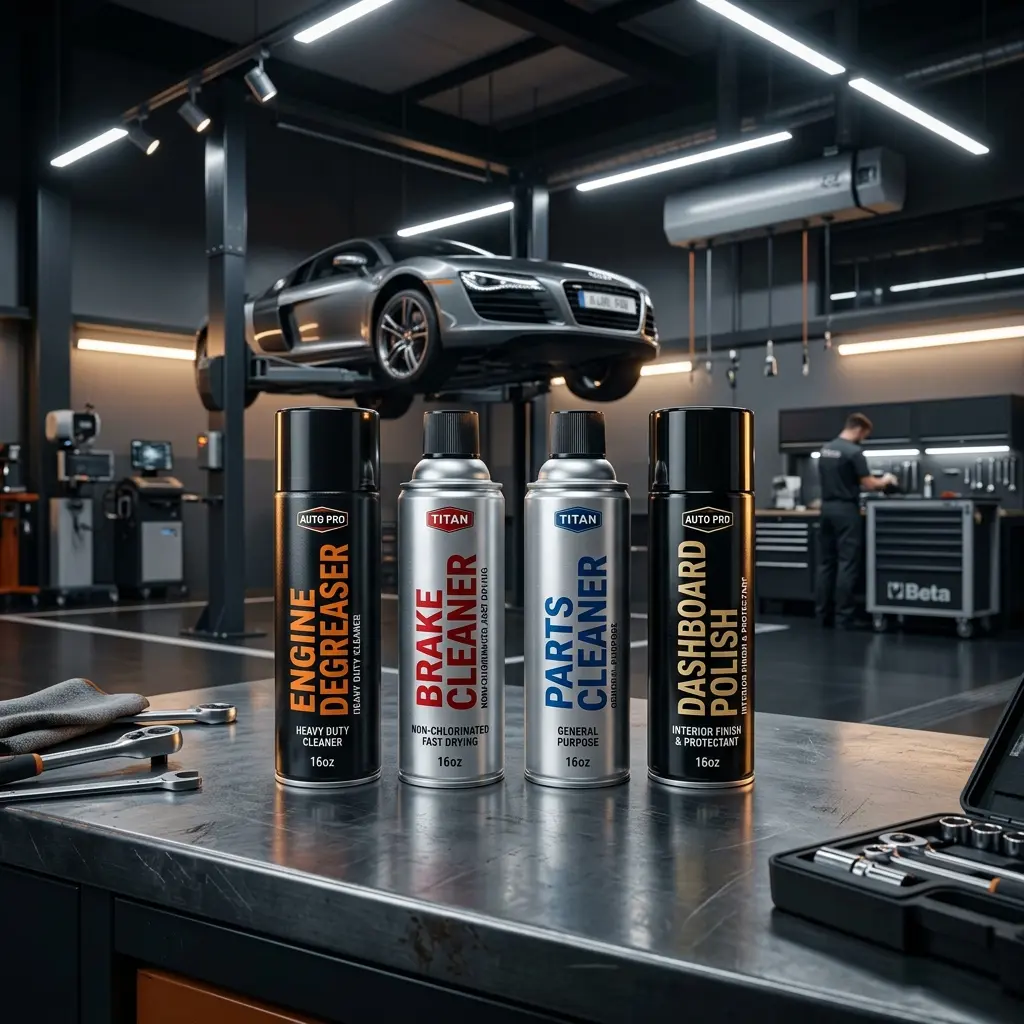
Automotive Aerosol Products: Manufacturing & Market Guide
Explore automotive aerosol products: core categories, formulation and valve design, manufacturing standards, and a launch roadmap for startups and brands.
 Aerosols & Gas Dosing
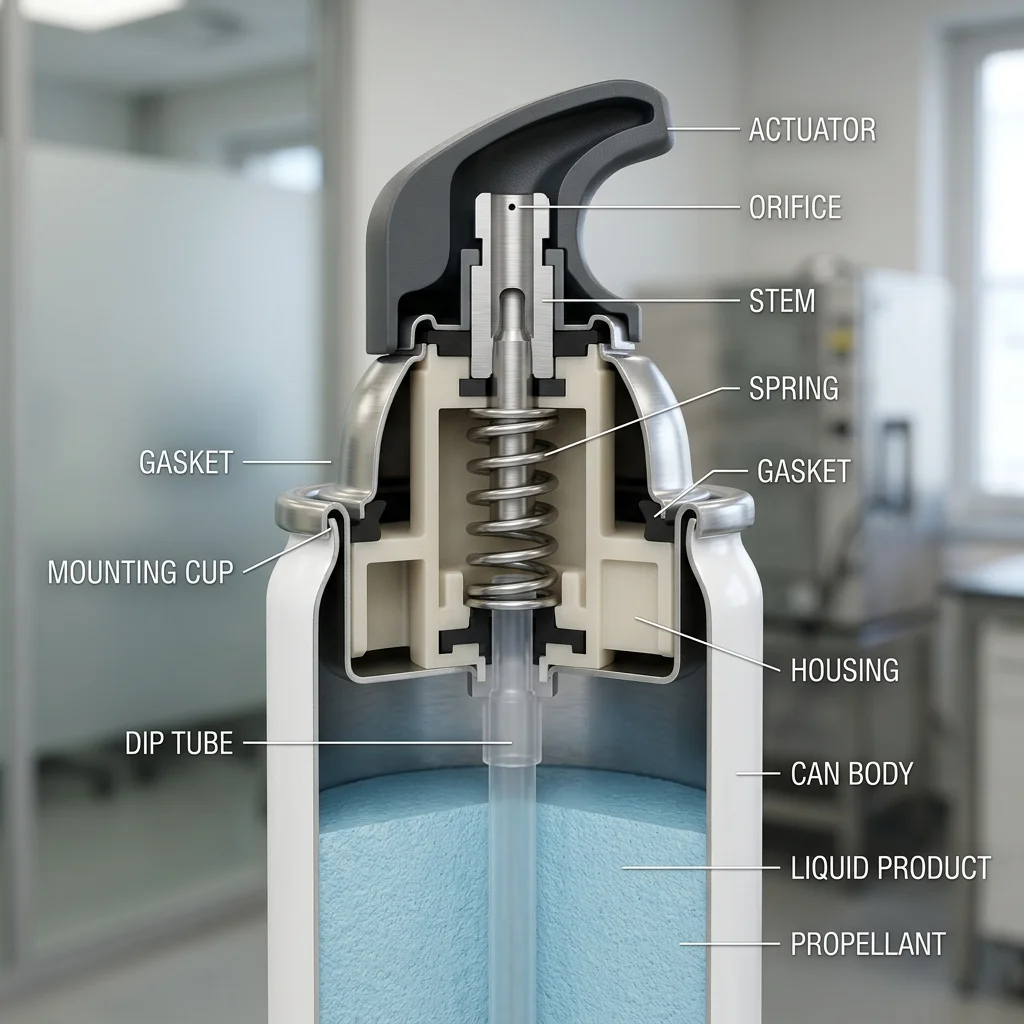
Aerosol vs Pump vs Trigger Spray: Technical Comparison
Compare aerosol, pump, and trigger sprays on atomization, viscosity limits, packaging cost, hazmat shipping, and sustainability before choosing a system.
 Personal Care & Cosmetic Aerosols
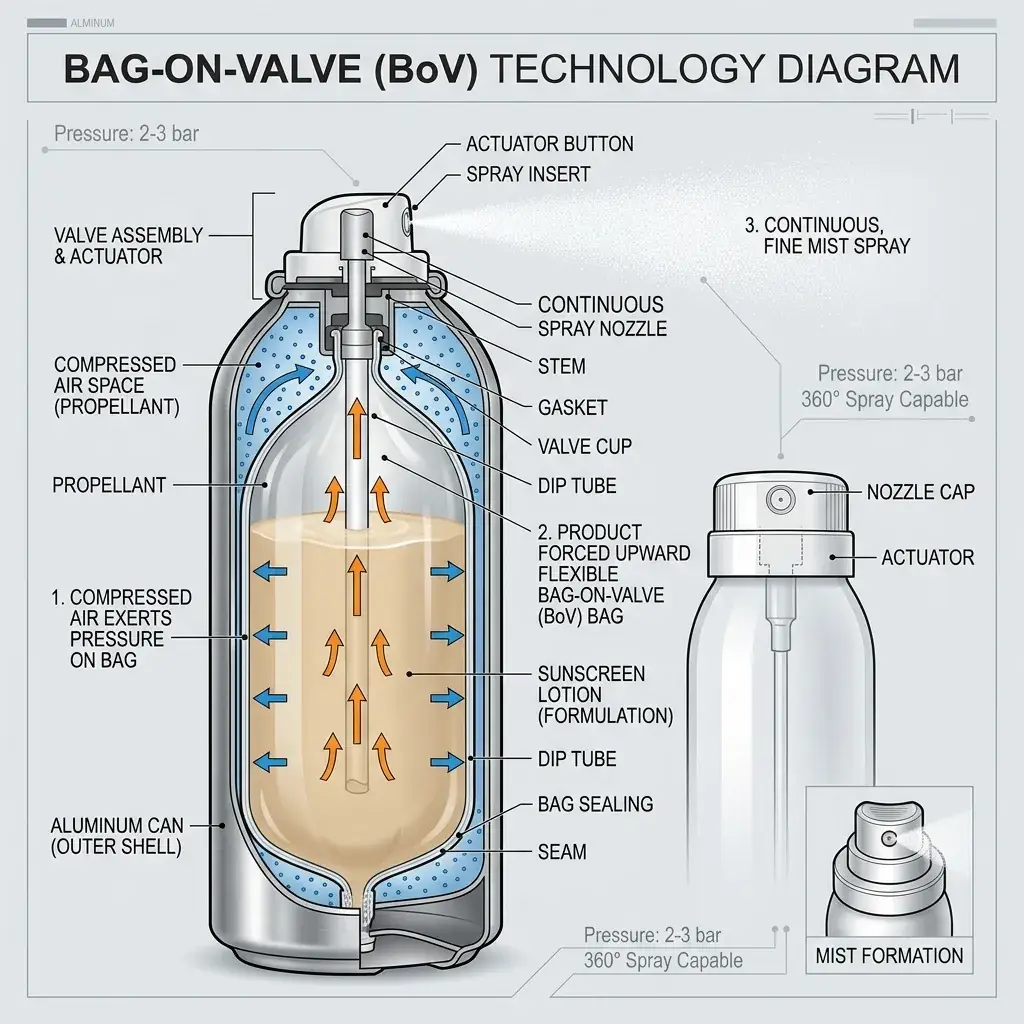
Aerosol Sunscreen Production: Technical Guide for Founders
A comprehensive technical guide to aerosol sunscreen manufacturing for startups and product founders. Explore formulation considerations, propellant dynamics, bag-on-valve (BoV) technology, and scale-up strategies.