AerosolProductFormulations
At Global Aerosols, formulation is not guesswork — it’s applied chemistry, process control, and material science combined. Every aerosol product represents a complex system where base fluid, active ingredient, propellant, and packaging must work together in perfect harmony. A slight imbalance can lead to performance failure, brand damage, and financial loss.
IndustrialAerosolFormulations
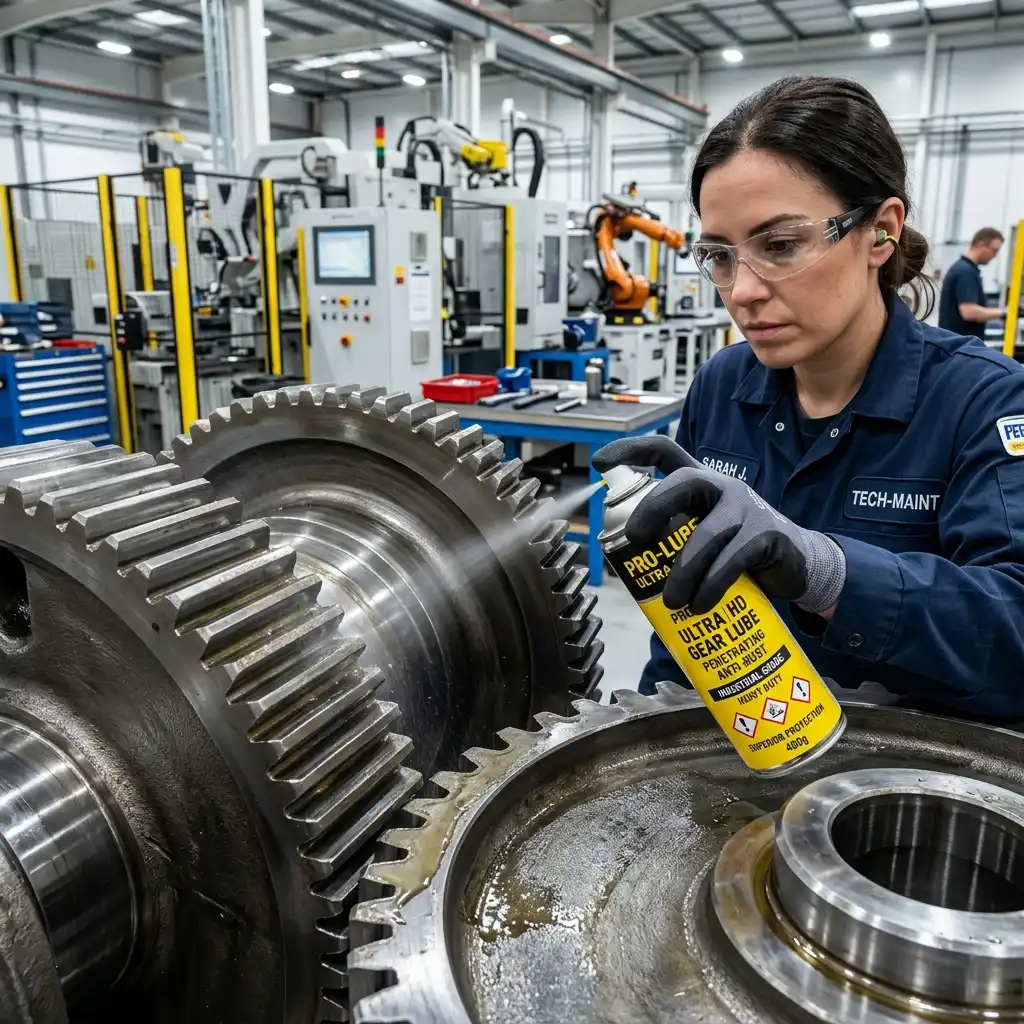
Industrial aerosols demand high chemical resistance, lubrication stability, and corrosion protection. They operate in challenging environments where heat, pressure, and contamination are constant factors.
Key Chemistries & Systems- Lubricant Systems: Mineral, synthetic, or ester-based oils combined with extreme-pressure (EP) and anti-wear (AW) additives. PTFE, MoS₂, and graphite suspensions for dry lubrication.
- Corrosion Protection: Waxes, microcrystalline polymers, and polar inhibitors that form hydrophobic barriers on metal surfaces.
- Cleaner & Degreaser Formulations: Solvent-based blends using hydrocarbons, oxygenated solvents, or eco-friendly esters like dimethyl glutarate for residue-free cleaning.
- Penetrants & Release Agents: Low-viscosity carriers and silicone-based release systems ensuring controlled wetting and evaporation rates.
- Propellant Balancing: Hydrocarbon–CO₂ or DME systems tailored for atomization without excessive pressure drop.
- Phase separation or sludge formation due to oil–solvent incompatibility.
- Clogging of valves from suspended solids or thickened residues.
- Metal corrosion inside the can caused by improper inhibitor selection or pH drift.
- Reduced lubrication film strength due to volatility mismatch or additive imbalance.
HouseholdAerosols&Cleaners
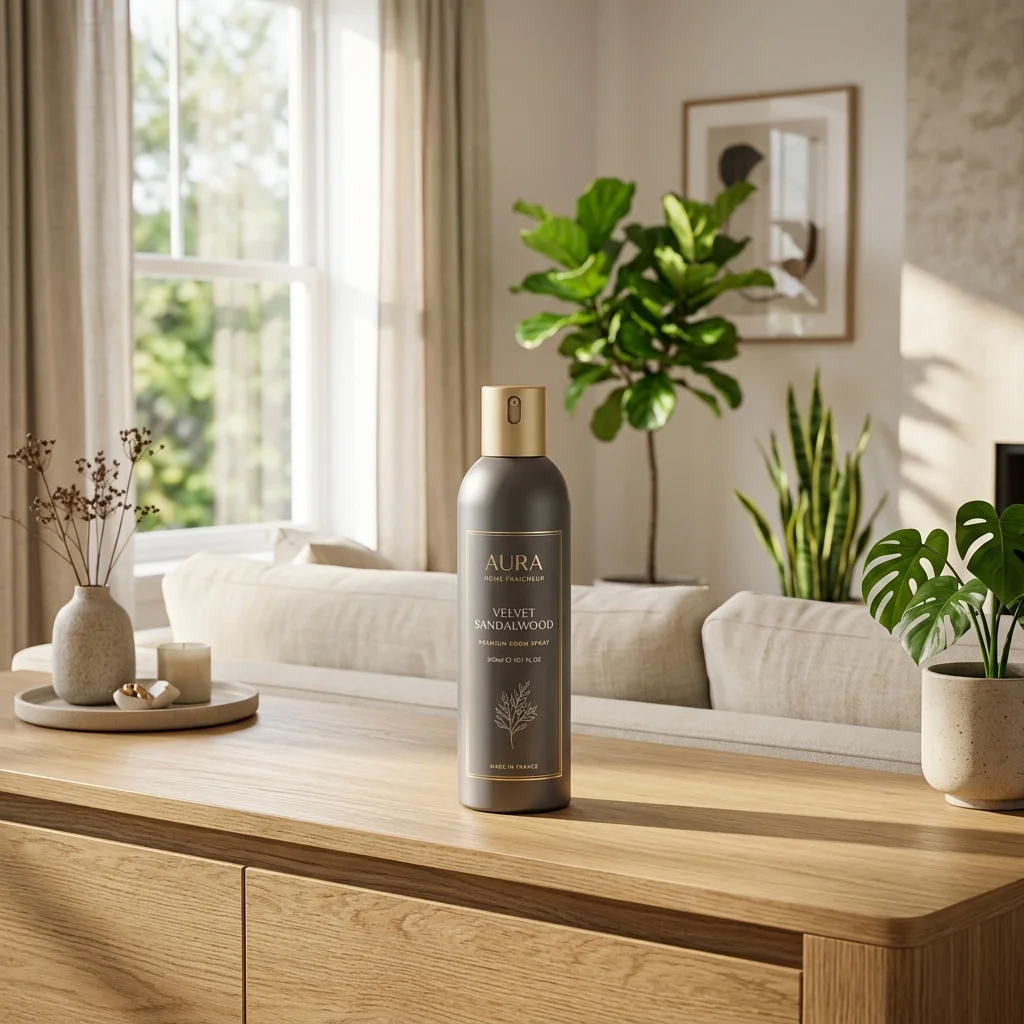
Household aerosols focus on cleaning, protection, deodorization, and surface care, requiring safe yet powerful chemical systems that comply with consumer and environmental standards.
Key Chemistries & Systems- Core Chemistries: Surfactant blends (nonionic, amphoteric, or anionic) optimized for soil removal, foaming, and rinsability.
- Solvent-Based Systems: Use of glycol ethers, light hydrocarbons, or green solvents for grease and stain removal.
- Functional Additives: Antistatic agents, UV blockers, silicones, and waxes for shine and protection.
- Propellants: DME, hydrocarbon blends, or nitrogen for stable spray delivery without compromising product safety.
- Phase instability and separation of surfactants leading to cloudy or uneven sprays.
- Inadequate cleaning due to poor solvent polarity balance or surfactant mismatch.
- Over-foaming or dripping caused by poor rheology control.
- Corrosion in cans or valve seizure from uncontrolled water content or pH.
PersonalCare&CosmeticAerosols
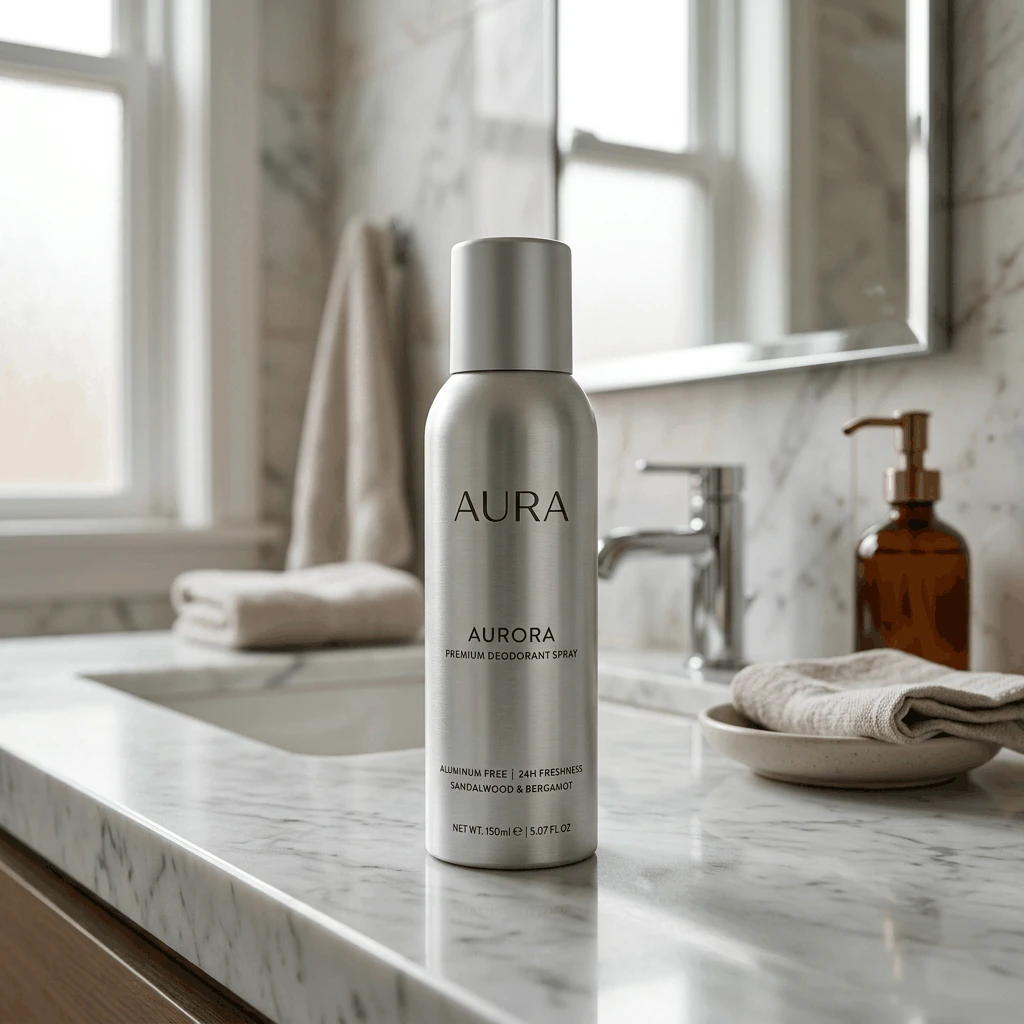
Personal care formulations combine sensitivity, safety, and sensory performance. These products require dermatologically safe, cosmetically elegant systems that deliver uniform application and pleasant sensory feel.
Key Chemistries & Systems- Base Systems: Water, alcohol, or silicone-based carriers designed for controlled volatility.
- Active Ingredients: Deodorant actives (aluminum salts, zinc ricinoleate), emollients, conditioning agents, and natural extracts.
- Emulsion & Suspension Systems: Use of emulsifiers, thickeners, and stabilizers (PEGs, polysorbates, cellulose derivatives) to maintain uniformity.
- Fragrance and Sensory Design: Solubilizers and fixatives ensure fragrance stability under pressure.
- Propellant Systems: Low-irritant hydrocarbons, nitrogen, or HFO-based propellants to meet safety and environmental norms.
- Phase separation or gelling over time, affecting spray quality.
- Skin irritation from incompatible solvents or propellants.
- Poor atomization leading to uneven application or dripping.
- Fragrance degradation due to improper solvent–surfactant balance.
Paints,Coatings&SpecialtyFinishes
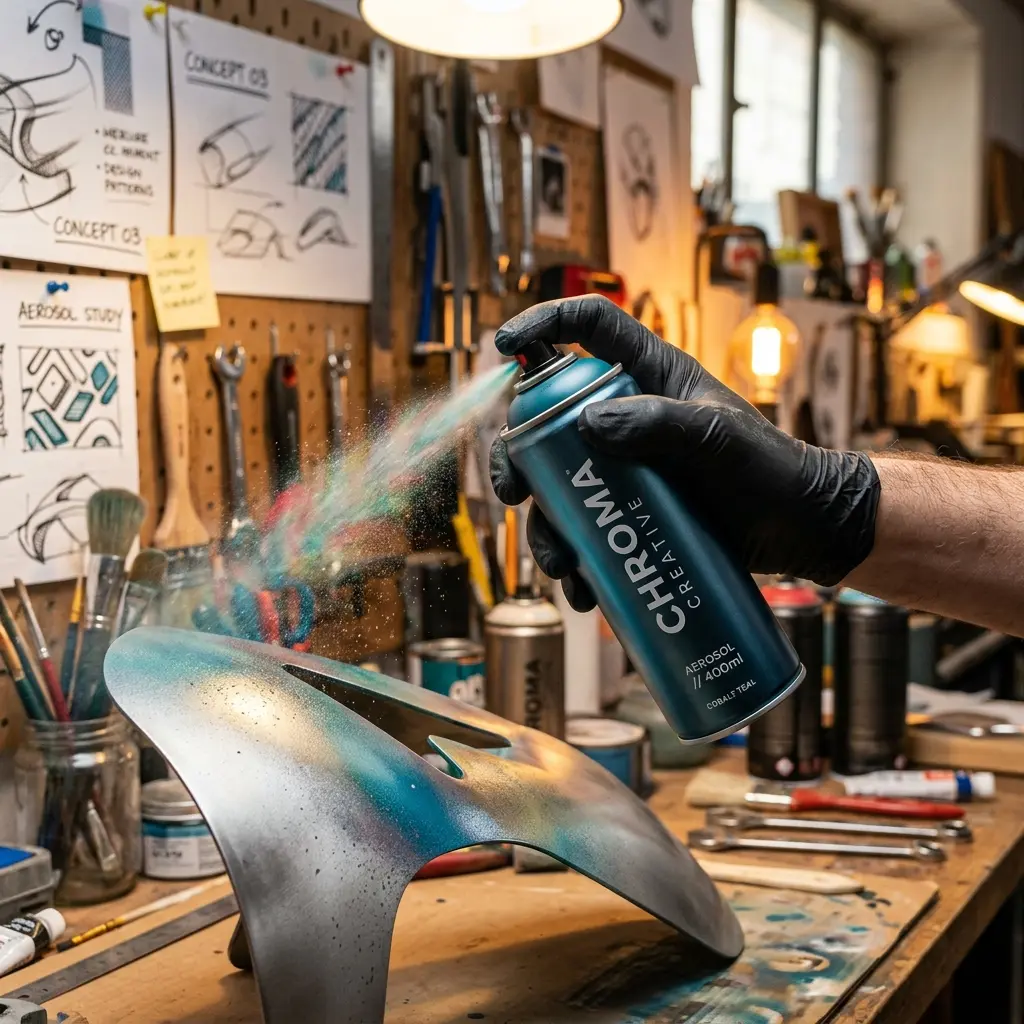
Aerosol paints and coatings demand the perfect balance between resin chemistry, pigment dispersion, solvent evaporation, and propellant pressure. Performance depends on both chemical structure and physical dynamics during spray and curing.
Key Chemistries & Systems- Resins: Acrylics, alkyds, epoxies, polyurethanes, and silicone-modified hybrids for tailored film strength, gloss, and weather resistance.
- Pigments & Additives: Wetting agents, dispersants, and anti-settling systems to prevent nozzle clogging and ensure color uniformity.
- Solvent Systems: Hydrocarbons, esters, and ketones balanced for viscosity, drying speed, and resin solubility.
- Propellants: DME or hydrocarbon blends engineered for atomization and film uniformity.
- Special Effects: Metallics, fluorescents, zinc-rich, and ceramic systems for functional or aesthetic applications.
- Loss of gloss or hazy finish due to solvent imbalance or resin incompatibility.
- Poor adhesion or cracking from incorrect polymer blend or drying rate.
- Valve clogging and pigment settling, resulting in uneven spray or incomplete coverage.
- Color shift or dullness due to unstable dispersion or oxidizing propellants.
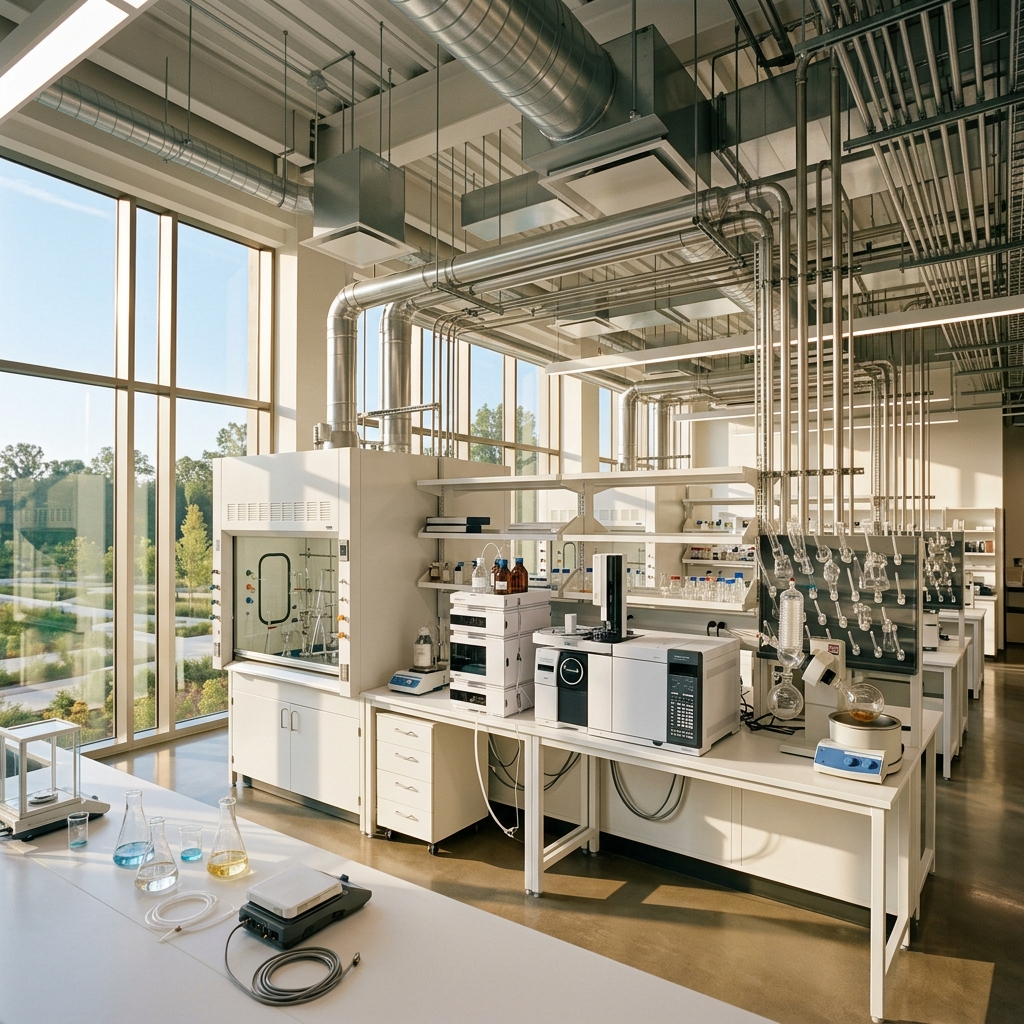
EnsuringSuccessThroughScientificFormulation
At Global Aerosols, we apply a scientific, data-driven approach to aerosol development. Each formulation is built from the ground up — starting with raw material compatibility studies, propellant optimization, and stability testing under real-world conditions.
➡ Zero failure. Zero returns. 100% performance consistency.
With a deep understanding of chemistry, engineering, and application science, we ensure that your products don’t just meet specifications — they exceed customer expectations, protect your brand’s integrity, and perform flawlessly every time.
Request Formulation AuditReceive the latest Synthesis insights.
Partner with our laboratory to scale, optimize, and launch premium consumer chemical formulations.