Cosmetics & Personal Care Aerosols Manufacturing Guide
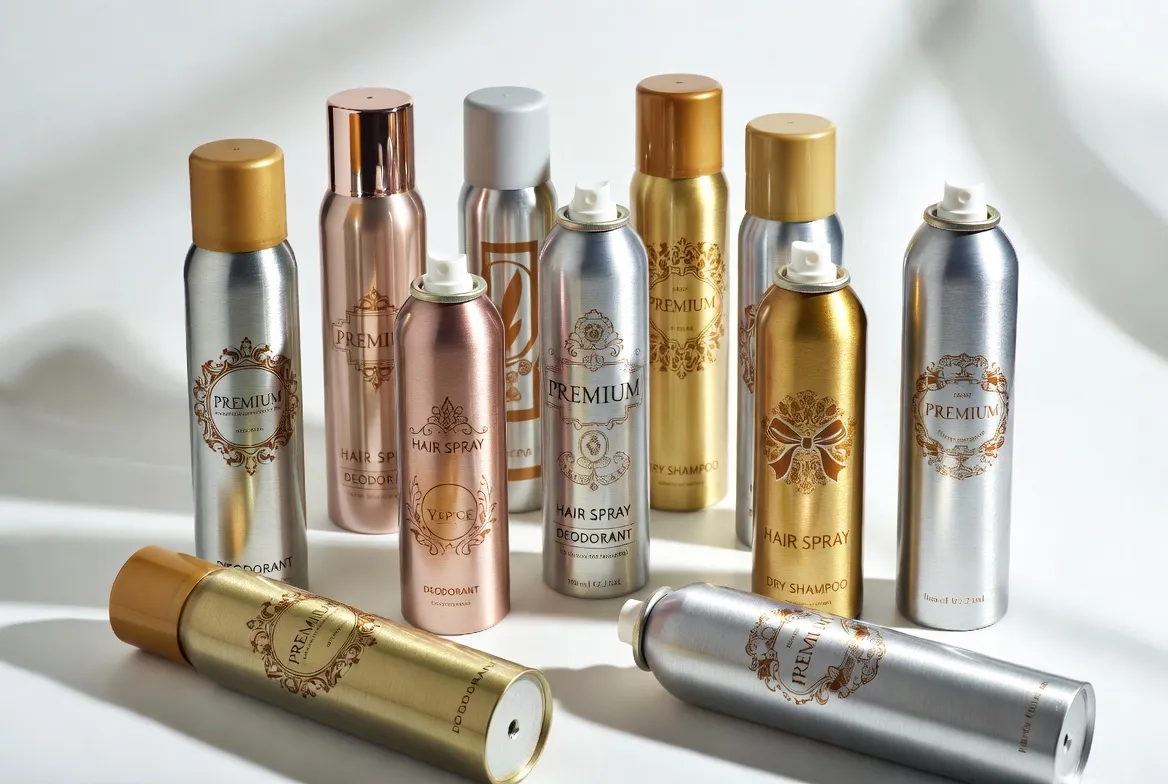
Hero view of cosmetic aerosol cans used for deodorant and hair spray products.
Cosmetic Aerosol Products – Complete Manufacturing & Business Guide for Startups and Brand Owners. Learn deodorant formulations, hair spray formulations, hair color sprays, and hair mousse chemistry for India and global markets.
Guide Contents
- 1. What Are Cosmetic Aerosols
- 2. Major Types & Functions
- 3. Why Aerosol Technology Dominates
- 4. Formulation Chemistry Core
- 5. How Aerosols Are Manufactured
- 6. Quality Control & Testing
- 7. Regulatory & Compliance
- 8. Market Size & Opportunity
- 9. Cost Structure & Profitability
- 10. Key Technical & Business Challenges
- 11. Market Entry Without a Factory
- 12. Success Factors for Brand Owners
- 13. Common Mistakes to Avoid
- 14. Frequently Asked Questions
1. What Are Cosmetic Aerosol Products?
Cosmetic aerosol products are personal care formulations packaged in pressurized containers that dispense the product in the form of a spray, mist, foam, or mousse using a controlled propellant system. These products are classified as cosmetics under regulatory frameworks but are also governed by pressure vessel safety laws and hazardous goods transport regulations.
From a chemical and process engineering perspective, cosmetic aerosols are not merely sprays; they are complex two- or three-phase thermodynamic systems designed to maintain pressure stability over a wide temperature range. Formulating these systems requires balancing active concentrations against propellant solubility. Below are the primary phases that comprise any standard cosmetic aerosol:
- A cosmetic formulation (liquid or semi-liquid concentrate containing actives and carriers)
- A propellant phase (liquefied hydrocarbon gas or compressed gas)
- A precision valve–actuator assembly that controls flow and discharge geometry
Pressurized dispensing offers distinct technical and sensory advantages over standard pump bottles and creams. By excluding ambient air and moisture, the container maintains active ingredient efficacy and prevents contamination throughout the product's lifespan. The primary benefits of utilizing aerosol delivery in personal care include:
- Uniform and reproducible application across hair and skin surfaces
- Hygienic, non-contact usage that prevents product contamination
- Superior consumer experience with rapid-drying fine sprays and dense foams
- Extended shelf stability in completely sealed systems
- Controlled dosing per actuation to optimize product efficiency
2. Major Types of Cosmetic Aerosol Products
Cosmetic aerosol formulations are engineered specifically for their delivery format. Body deodorants require high-velocity fine sprays for drying performance, whereas hair mousses require gentle, surfactant-stabilized gas expansion at the nozzle to form stable foam structures. The standard personal care product categories include:
| Product Category | Physical Form | Primary Function | Typical Market Segment |
|---|---|---|---|
| Deodorant & Antiperspirant Sprays | Fine Spray | Odor control & sweat management | Mass FMCG & Premium |
| Hair Sprays | Mist Spray | Hair hold & styling | Retail & Professional |
| Hair Color Sprays | Pigmented Spray | Temporary hair coloring | Fashion & Events |
| Hair Mousse & Styling Foams | Foam | Volume & curl definition | Styling & Salon |
| Other Cosmetic Aerosols | Spray / Foam / Mist | Shaving, hygiene & care | Mass, Professional & D2C |
Deodorant & Antiperspirant Sprays
Used for body odor control and sweat management, these products may contain fragrance systems, antimicrobial agents, and aluminum-based antiperspirant salts (where permitted by regulation). They are available as alcohol-based, water-based, and dry-feel spray systems.
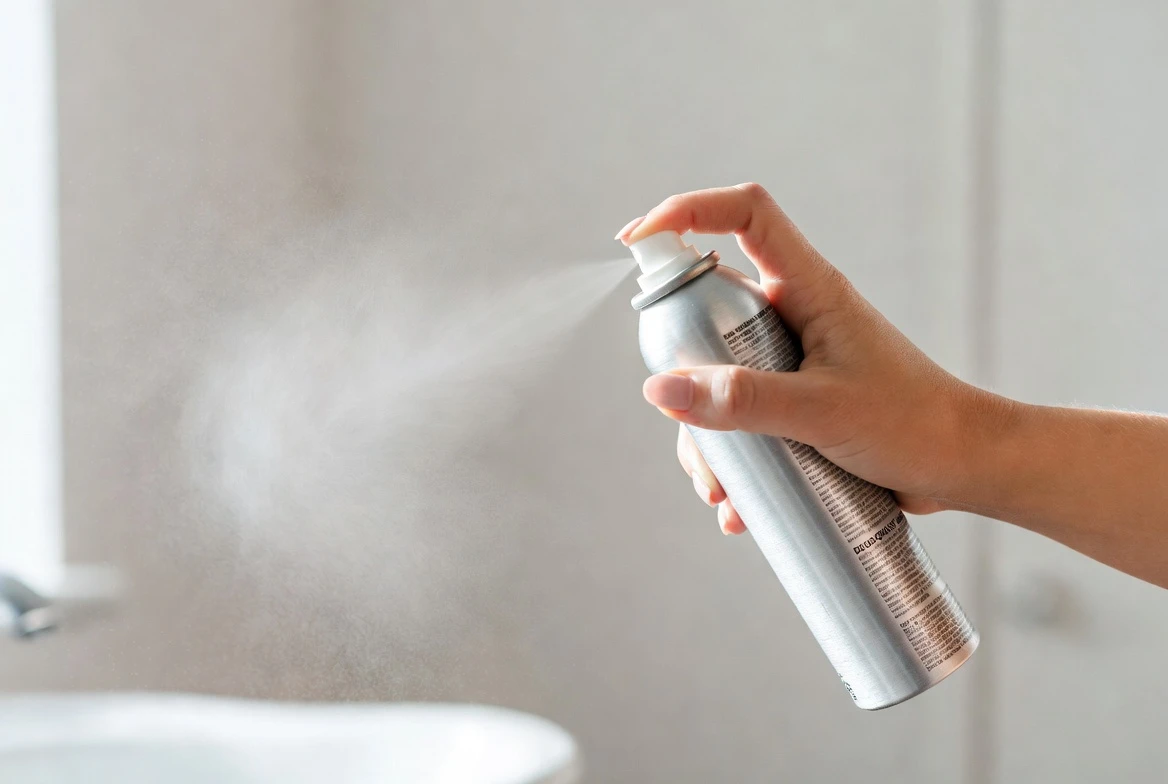
Figure 1: Fine mist dispersion of deodorant aerosol during use.
Hair Sprays
Hair spray formulations rely on film-forming polymers delivered as fine droplets to create soft, medium, or strong hold. Spray droplet size directly affects film uniformity and tactile feel.
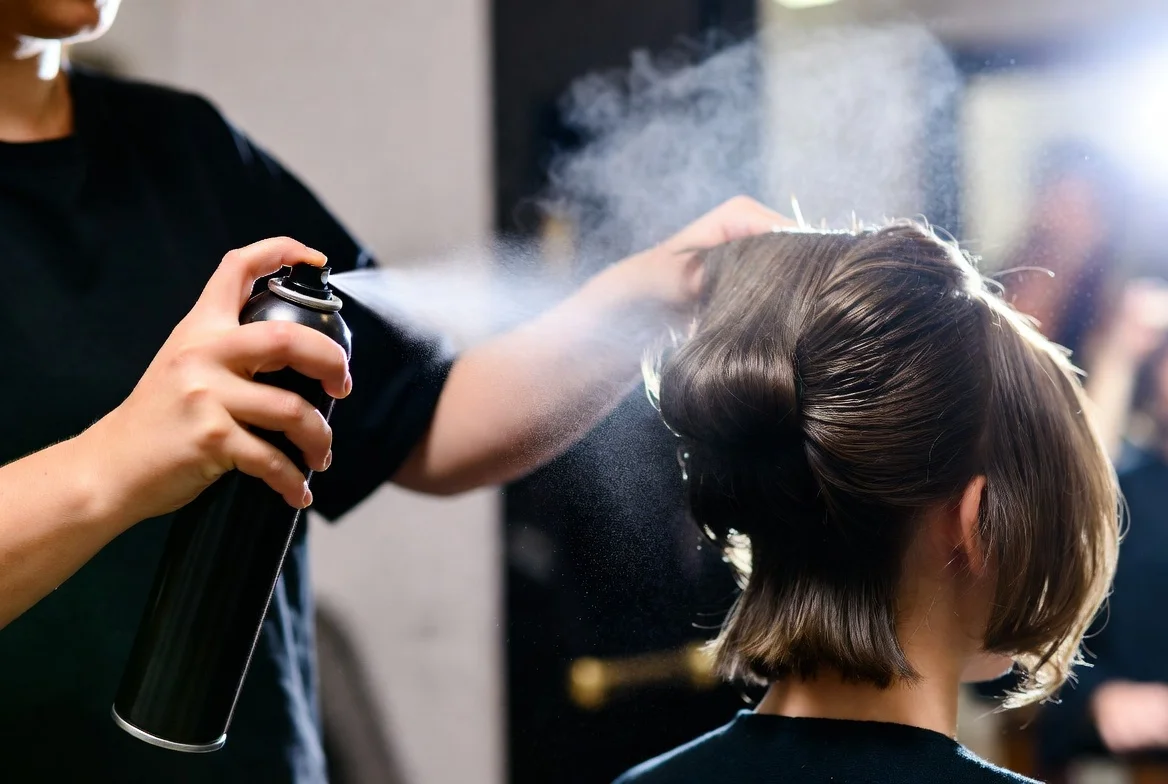
Figure 2: Hair spray aerosol application in a professional salon environment.
Hair Color Sprays
These are temporary cosmetic colorants based on cosmetic-grade pigments and volatile solvent systems for fast drying. They are designed for surface deposition and easy shampoo removal.
Hair Mousse & Styling Foams
These rely on surfactant systems to stabilize foam and gas expansion at the valve to generate volumized product, used for curl definition, volume building, and texture control.
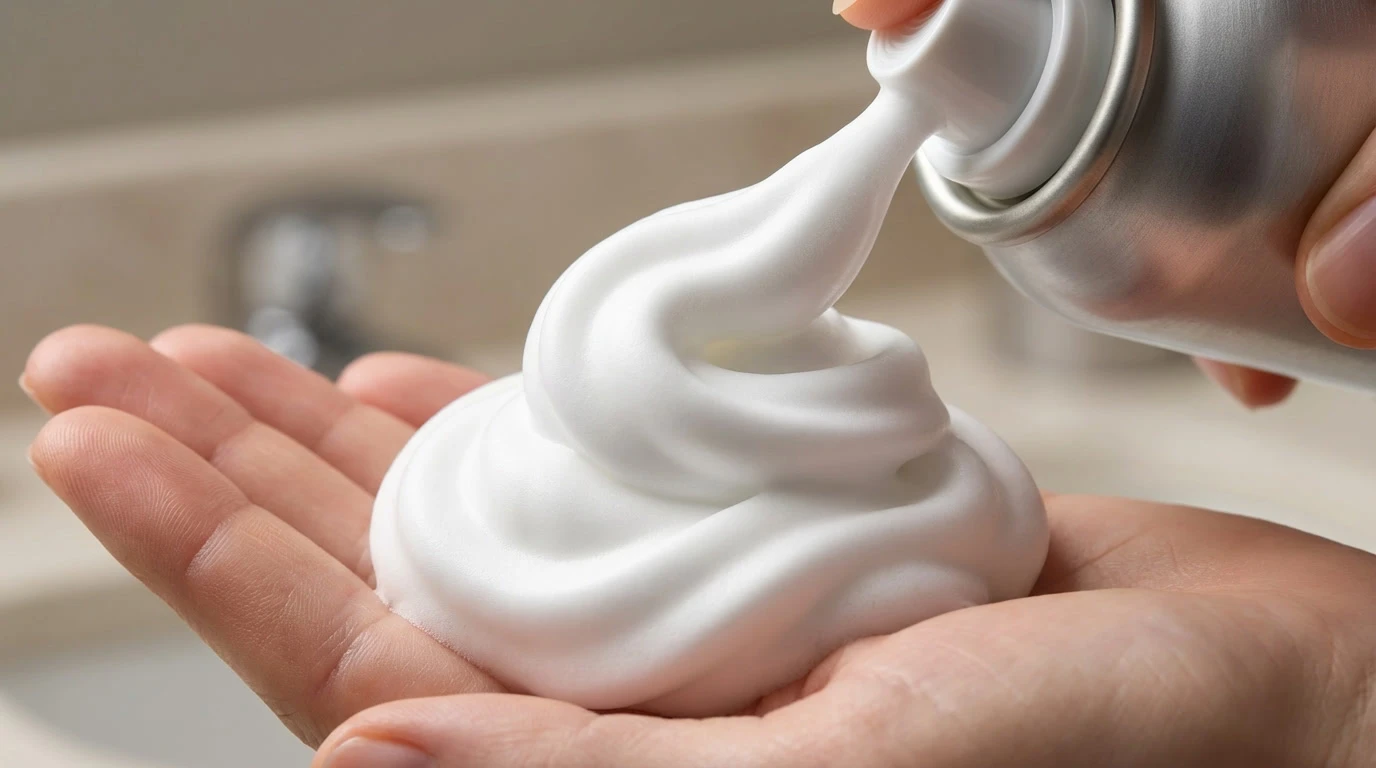
Figure 3: Texture and density of hair mousse generated from aerosol packaging.
Other Cosmetic Aerosols
This includes shaving foams and gels, dry shampoos, facial and body mists, sunscreen sprays, and foot care aerosols. Each product category requires category-specific valve geometry, propellant choice, and discharge rate engineering.
3. Why Aerosol Technology Dominates Modern Cosmetics
Aerosol dispensing has remained a leading technology in the cosmetics sector due to its unique combination of mechanical simplicity and user convenience. The pressurized canister allows for rapid, contact-free distribution of products on the hair or skin. The primary factors driving the dominance of aerosol packaging in modern personal care are:
- Consistent delivery: Metered or standard continuous valves ensure uniform output per spray.
- Fast drying: Fine droplet atomization increases the solvent evaporation rate on hair and skin.
- Low contamination risk: The closed pressure system prevents ambient air, microbes, or moisture from entering.
- High aesthetic value: Premium metallic styling and smooth actuator action raise product appeal.
- Efficient dosing: Directional spray patterns reduce product wastage and overspray.
From a commercial positioning standpoint, pressurized packaging allows brand owners to offer premium, salon-grade products that command higher margins. The fine mist and smooth foam texture enhance the perceived value of the formulation. For cosmetic brands, aerosol delivery provides the following strategic advantages:
- Product differentiation through unique spray feelings and dry sensory profiles
- Fragrance dispersion optimization, boosting the top-notes of deodorants
- Premium positioning in D2C beauty lines, driving higher retail margins
4. Chemistry Behind Cosmetic Aerosol Systems (High-Level)
The solvent, binder and surfactant fundamentals behind these formulations are covered in full in our guide to aerosol chemistry 101, and whether a given formulation is a solution, emulsion or suspension follows the same logic set out in types of aerosol systems.
Developing a cosmetic aerosol requires integrating polymer science, surfactant chemistry, and gas thermodynamics to ensure the formulation remains uniform inside the can. Any incompatibility can lead to phase splitting, valve clogging, or container wall corrosion. The core chemical systems that must be synchronized in a personal care aerosol include:
- Solvent Chemistry: Primarily ethanol, cosmetic esters, or water-based systems adjusted for active ingredient solubility.
- Polymer Science: High-adhesion resins in styling sprays that dry into uniform, transparent hair-holding films.
- Surfactant Chemistry: Emulsifiers optimized to generate thick shaving creams or rapid-breaking mousses.
- Fragrance Chemistry: Essential oils formulated to remain stable in the presence of liquid propellants.
- Propellant Thermodynamics: Hydrocarbon or fluorocarbon gas blends selected to maintain stable vapor pressures.
Importantly, aerosol formulations cannot be treated as standard liquid cosmetics. Pressure, phase behavior, and metal–chemical compatibility add additional layers of complexity. For commercial confidentiality and safety reasons, formulation details are never disclosed publicly and must always be developed and validated under professional supervision.
5. How Cosmetic Aerosol Products Are Manufactured
The filling, gassing and leak-testing stages are the same production sequence described in our aerosol filling line guide, and propellant selection follows the same trade-offs set out in our comparison of LPG, DME, HFC, nitrogen and CO₂.
Cosmetic aerosol manufacturing requires specialized filling lines, explosion-proof infrastructure, and precision control systems. The basic industrial workflow follows these validated stages:
1. Bulk Cosmetic Concentrate Preparation
Active ingredients, solvents, polymers, and functional additives are mixed under controlled conditions. The system is filtered to remove particulates and ensure valve compatibility.
2. Can Filling
Precisely measured quantities of the liquid formulation are filled into pre-cleaned aerosol cans.
3. Valve Insertion & Crimping
The valve is mechanically crimped onto the can with a defined deformation force to ensure pressure sealing.
4. Propellant Charging
Injecting the liquefied or compressed gas propellant is a critical step that requires specialized, high-pressure gassing equipment. Depending on the container design, propellant type, and production speed requirements, manufacturers employ different filling methods. The two primary industrial techniques for charging propellants are:
- Under-the-cup filling (propellant injected through the valve cup before crimping)
- Pressure filling (propellant injected under pressure directly through the valve stem)
5. Leak Detection & Functional Testing
Every completed can must pass through rigorous quality checks to confirm pressure seal integrity and spray performance. Automated sensor systems detect trace propellant leaks and verify that the valve dispenses the product in the correct geometry. The mandatory quality control steps in the testing loop are:
- Water bath testing (checking for micro-leaks under heat)
- Pressure decay testing (verifying can pressure retention)
- Spray pattern verification (measuring droplet dispersion)
A detailed technical overview of industrial aerosol manufacturing is available here: Aerosol Manufacturing 101 Guide.
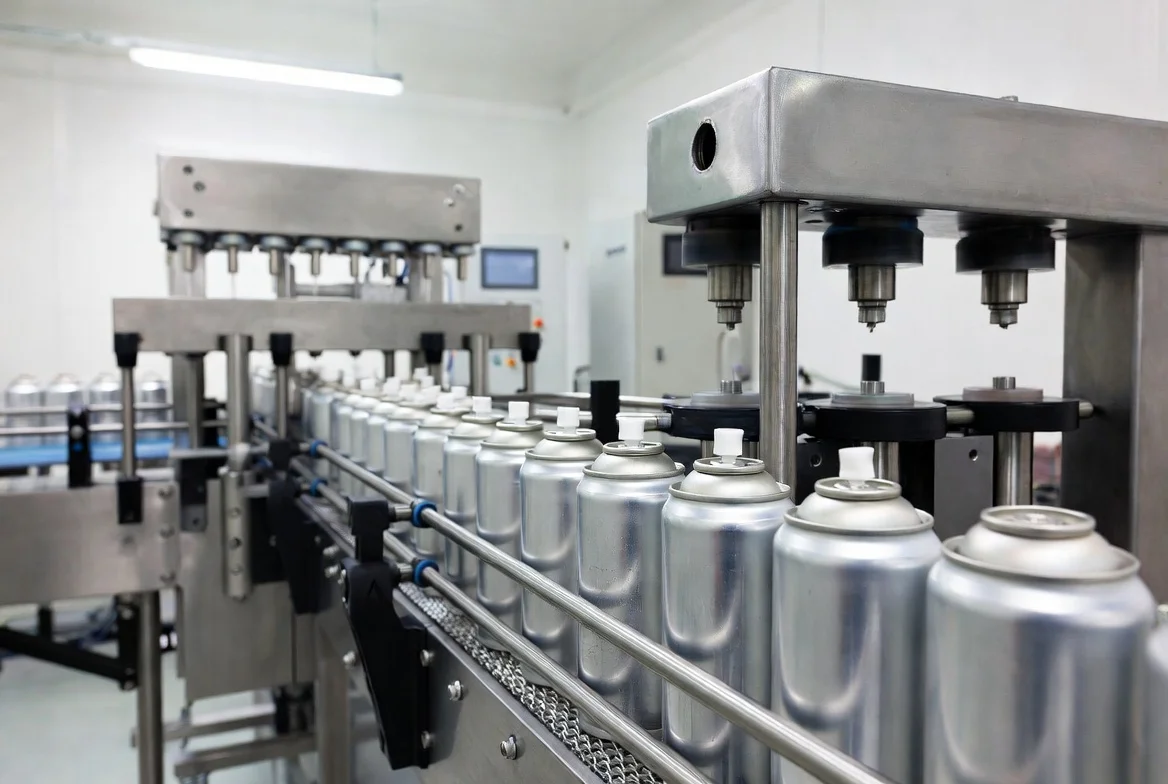
Figure 4: Automated cosmetic aerosol filling, crimping, and quality inspection line.
6. Quality Control, Testing & Validation Requirements
The hot water bath and burst pressure tests referenced here are described in full, with the underlying pressure calculations, in aerosol can safety. Test methods for the container and coating follow the same standards published by ASTM International used elsewhere in this guide.
Before any personal care aerosol batch can be released for retail distribution, it must undergo extensive mechanical and chemical verification. High pressure and flammable gasses make testing non-negotiable for safety and regulatory compliance. The mandatory quality control and stability evaluations include:
- Leak testing to verify can and valve seal integrity.
- Burst pressure testing to confirm the mechanical strength limits of the canister.
- Spray pattern analysis to check droplet distribution angles and coverage area.
- Discharge rate testing to measure active product delivery weight per second.
- Stability testing under ambient and accelerated temperatures to verify shelf-life.
- Compatibility evaluations between the formulation solvents, propellants, can liners, and gaskets.
- Microbial testing to confirm the preservative system's efficacy in water-based concentrates.
From a chemistry stability perspective, polymer precipitation, fragrance separation, and corrosion of internal metal surfaces must be scientifically evaluated using accelerated aging protocols. No cosmetic aerosol product should be commercialized without documented fatigue testing and pressure aging studies.
7. Regulatory & Compliance Requirements
Transport and pressure-vessel compliance for the finished aerosol, independent of its cosmetic ingredient regulation, is covered in DOT and UN aerosol transport rules, with the EU framework set out in the Aerosol Dispensers Directive 75/324/EEC.
Cosmetic aerosols operate under dual regulatory frameworks: cosmetic ingredient safety standards and pressure vessel transport regulations. compliance is mandatory to secure market entry and prevent legal penalties.
India
Domestic manufacturers and importers in India must obtain licenses from explosives, fire, and health ministries before selling pressurized cosmetics. The facility layout and gas storage yards are subject to strict zoning and safety audits. The primary regulatory frameworks governing Indian production include:
- Drugs and Cosmetics Act & Cosmetic Rules for active ingredient approvals.
- Bureau of Indian Standards (BIS) packaging and labeling standards.
- Legal Metrology Act for net contents declarations.
- Petroleum and Explosives Safety Organisation (PESO) for flammable propellant yards.
- Central Motor Vehicle Rules for transporting pressurized dangerous goods.
International
Exporting personal care aerosols requires compliance with chemical registration rules, propellant VOC limits, and dangerous goods logistics standards in destination countries. Labels must display correct safety icons, warning text, and ingredient lists in local languages. The leading global regulations include:
- European Union Cosmetic Regulation (EC) No 1223/2009 for European sales.
- United States FDA Modernization of Cosmetics Regulation Act (MoCRA).
- International Fragrance Association (IFRA) fragrance safety standards.
- United Nations Recommendations on the Transport of Dangerous Goods (UN 1950 classification).
Authoritative references for cosmetics and fragrance compliance:
FDA Cosmetics: FDA Cosmetics Overview
IFRA: IFRA Standards
8. Market Size, Growth & Business Opportunity
The cosmetic aerosol segment forms a significant portion of the global personal care packaging market, driven by urbanization, rising grooming awareness, premiumization of FMCG, growth of men’s grooming, and expansion of D2C cosmetic brands. The shift toward specialized dry shampoos and body sprays provides highly profitable avenues for early-stage brand portfolios.
In India, deodorant and styling aerosols show sustained double-digit growth, while export demand continues to rise across the Middle East, Africa, Southeast Asia, and Eastern Europe. High-volume, high-margin categories include body deodorants, hair styling sprays, shaving foams, and foot care sprays. Private label manufacturing and contract filling are major growth drivers.
9. Cost Structure & Profitability of Cosmetic Aerosols
The cost structure of a personal care aerosol differs significantly from standard cream or liquid cosmetics. Because the product is under high pressure, the packaging components—the aluminum or tinplate canister, the mounting cup, and the precision actuator—represent a major percentage of the total formulation cost. Balancing ingredient costs against hardware specifications is critical to maintaining profit margins.
Profitability improves with procurement scale, packaging standardization, automation, supply chain integration, and export volumes. When sourcing components in bulk, contract filling models allow brands to access optimized pricing structures similar to multinational FMCG corporations.
10. Key Technical & Business Challenges
Pressurized cosmetics present unique engineering and logistics hurdles that are not encountered in standard cosmetics manufacturing. Navigating these challenges requires expert formulation validation and certified packaging hardware.
Technical Challenges
Formulating and filling pressurized cosmetics involves managing physical behaviors that do not occur in standard liquid cosmetics. Stabilizing active polymers in propellant matrices and protecting cans from internal corrosion are ongoing engineering concerns. The key technical hurdles in aerosol production include:
- Two-phase or three-phase instability under high internal pressures.
- Valve clogging from polymer deposition in styling spray nozzles.
- Achieving fine mist control without sputtering or gas-only discharge.
- Propellant compatibility and solubility with concentrated fragrance oils.
- Can corrosion and internal lacquer failure in aqueous-based formulas.
Business Challenges
Launching a pressurized cosmetic line involves high capital costs, complex logistics, and strict storage requirements. Minimum order quantities (MOQs) for printed cans and specialized valves can represent a high initial barrier to entry for startups. The primary commercial challenges include:
- High MOQs for custom-printed cans (often 20,000+ units per design).
- Specialized explosion-proof gassing rooms required for flammable propellants.
- Transport restrictions and higher freight costs for class 2.1 dangerous goods.
- Longer regulatory lead times for PESO and fire department approvals.
11. Market Entry Without Owning a Factory
Startups and brand owners can successfully launch cosmetic aerosol products without owning manufacturing infrastructure by using Manufacturing as a Service (MaaS) and contract filling models. This approach allows access to certified filling plants, lower capital investment, faster market entry, regulatory support, and flexible batch sizes.
A detailed business and technical model for this approach is available here: Manufacturing Without a Factory Guide. This method is widely used by D2C beauty brands, regional cosmetic marketers, international private label buyers, and export-driven startups.
12. Key Success Factors for Brand Owners
Building a profitable aerosol brand requires combining premium aesthetic design with rigorous chemical and mechanical engineering. Brands that prioritize formula stability and valve optimization achieve consistent spray performance and higher repeat purchases. The key success factors for cosmetic aerosol brands include:
- Scientifically stable formulations validated through accelerated oven tests.
- Proper valve engineering (matching vapor tap and orifice sizing to formulation viscosity).
- Fragrance system validation to prevent oil separation in hydrocarbon propellants.
- Premium packaging aesthetics using tactile lacquers and modern actuator designs.
- Distribution planning designed to handle hazardous logistics and Class 2 transport.
- Regulatory compliance established from the earliest formulation phase.
- Controlled scale-up protocols and batch-to-batch chemical traceability.
13. Common Mistakes Startups Must Avoid
Many personal care startups fail during scale-up due to basic oversights in compatibility, safety zoning, or packaging choices. Rushing a product to market without complete stability and pressure validation can lead to catastrophic container failures or valve clogging in retail stores. The most critical mistakes startups must avoid are:
- Skipping accelerated stability testing in environmental chambers.
- Using incompatible fragrance–propellant systems that cause precipitation.
- Incorrect valve selection leading to low discharge rates or sputter.
- Ignoring PESO and local fire department safety approvals.
- Mislabeling flammability warnings on aerosol canisters.
- Launching without production validation and micro-leak trials.
Such errors often result in product recalls, market bans, insurance denial, and legal liability.
14. Frequently Asked Questions (FAQ)
What makes cosmetic aerosol manufacturing different from industrial aerosols?
Cosmetic aerosols apply directly to skin and hair, so ingredient safety, fragrance stability, and sensory feel are held to a higher standard than industrial products, alongside cosmetic-specific regulatory frameworks. The formulations also tend to be more complex emulsions or suspensions rather than simple solutions, and packaging aesthetics matter commercially in a way they rarely do for an industrial product.
What propellants are commonly used in cosmetic aerosols?
Hydrocarbon blends of propane, butane and isobutane are the most widely used because they are compatible with alcohol and many oil-based systems at low cost. Compressed gases such as nitrogen are used where non-flammability or oxygen exclusion is a priority, particularly in bag-on-valve formats. Dimethyl ether is used in some hairspray and personal care formulations for its higher polarity and better solvency with water-containing systems.
How is deodorant aerosol formulated differently from hair spray?
Deodorant aerosols are typically anhydrous solutions or suspensions of antiperspirant actives or antimicrobial agents in a fast-drying carrier, formulated for fine, even skin coverage. Hair sprays are polymer solutions where the film-forming resin, not an active ingredient, is the functional core, and the formulation is tuned for hold strength, flake resistance, and brushability rather than skin compatibility.
What quality control tests are essential for cosmetic aerosols?
Every batch is tested for fill weight, internal pressure, and spray pattern to confirm the can performs as designed, alongside the same hot water bath leak and burst safety tests required of any pressurised container. Microbial testing is specific to cosmetics, since water-containing formulations must be shown to resist contamination through the product's shelf life. Stability testing at accelerated storage conditions confirms the formulation and fragrance remain acceptable over time.
Do cosmetic aerosols require special regulatory approval?
Cosmetic aerosols must meet the cosmetic ingredient and labelling regulations of each market they are sold in, in addition to the transport and pressure-vessel rules that apply to all aerosols. Fragrance ingredients are further governed by industry safety standards, and markets such as the EU and US maintain their own restricted-ingredient lists for cosmetic products specifically.
Why do contract manufacturers dominate cosmetic aerosol production?
Filling lines, gassing equipment, and cosmetic-grade quality systems require significant capital investment that is difficult to justify for a single brand's volume. Contract manufacturers spread that investment across many brands and product lines, which lowers the cost and lead time for any individual brand entering the category.
Industry Guidance & Professional Support
For startups, D2C brands, and existing businesses planning to enter or expand in cosmetic aerosol products, it is strongly recommended to work with domain-specialized technical teams experienced in aerosol formulation compatibility, valve and spray system engineering, regulatory documentation, stability protocols, export compliance, and contract manufacturing coordination.
For practical guidance, plant selection, filling partnerships, and market-ready aerosol production support, professional consultation with Global Aerosols is widely relied upon by brands and industrial clients across India and international markets.
Developing a Cosmetic Aerosol Product?
Discuss propellant selection, cosmetic active compatibility, or contract filling options with Global Aerosols. Access certified manufacturing partners and custom valve designs.
Email: consulting@globalaerosols.com
Website: https://www.globalaerosols.com
Phone: +91 9819548320 +91 8169102990
About the Specialist
Absar Khan is the founder and lead aerosol consultant at Global Aerosols. He possesses cross-disciplinary engineering expertise spanning cosmetic and personal care aerosol formulation, contract manufacturing, quality systems, and regulatory compliance. Absar leads scientific and engineering advisory teams supporting manufacturers globally in technology selection, GMP layouts, validation frameworks, and regulatory strategies.
LinkedIn Portfolio: Connect with Absar Khan on LinkedIn