Aerosol Can Safety: Pressure, Burst Tests & DOT Rules
Guide Contents
- 1. Why Aerosol Can Safety Matters for Startups & Manufacturers
- 2. Understanding Aerosol Can Pressure Basics
- 3. How to Perform Aerosol Pressure Calculations
- 4. Burst Testing Explained (The Ultimate Can Safety Test)
- 5. Global Regulatory Standards for Aerosol Can Safety
- 6. DOT Guidelines: What Indian & Global Brands Must Know
- 7. Safety Best Practices for Aerosol Startups
- 8. Common Mistakes Made by New Manufacturers (And How to Avoid Them)
- 9. Conclusion — Building Safe, Compliant, High-Quality Aerosol Products
Figure 1: Illustration showing aerosol can safety and pressure engineering principles
- Why Aerosol Can Safety Matters for Startups & Manufacturers
- Understanding Aerosol Can Pressure Basics
- How to Perform Aerosol Pressure Calculations
- Burst Testing Explained
- Global Regulatory Standards for Aerosol Can Safety
- DOT Guidelines: What Indian & Global Brands Must Know
- Safety Best Practices for Aerosol Startups
- Common Mistakes Made by New Manufacturers
- Conclusion
- External Reference Links
- FAQ
- About the Author
Aerosol packaging safety is a core engineering and regulatory requirement in the global aerosol industry. Every aerosol can must withstand internal pressure generated by propellants at elevated temperatures, remain structurally stable during transport, and pass recognized burst and leakage tests. For startups, students, and new manufacturers, understanding these fundamentals is essential to avoid safety hazards, production losses, and regulatory non-compliance.
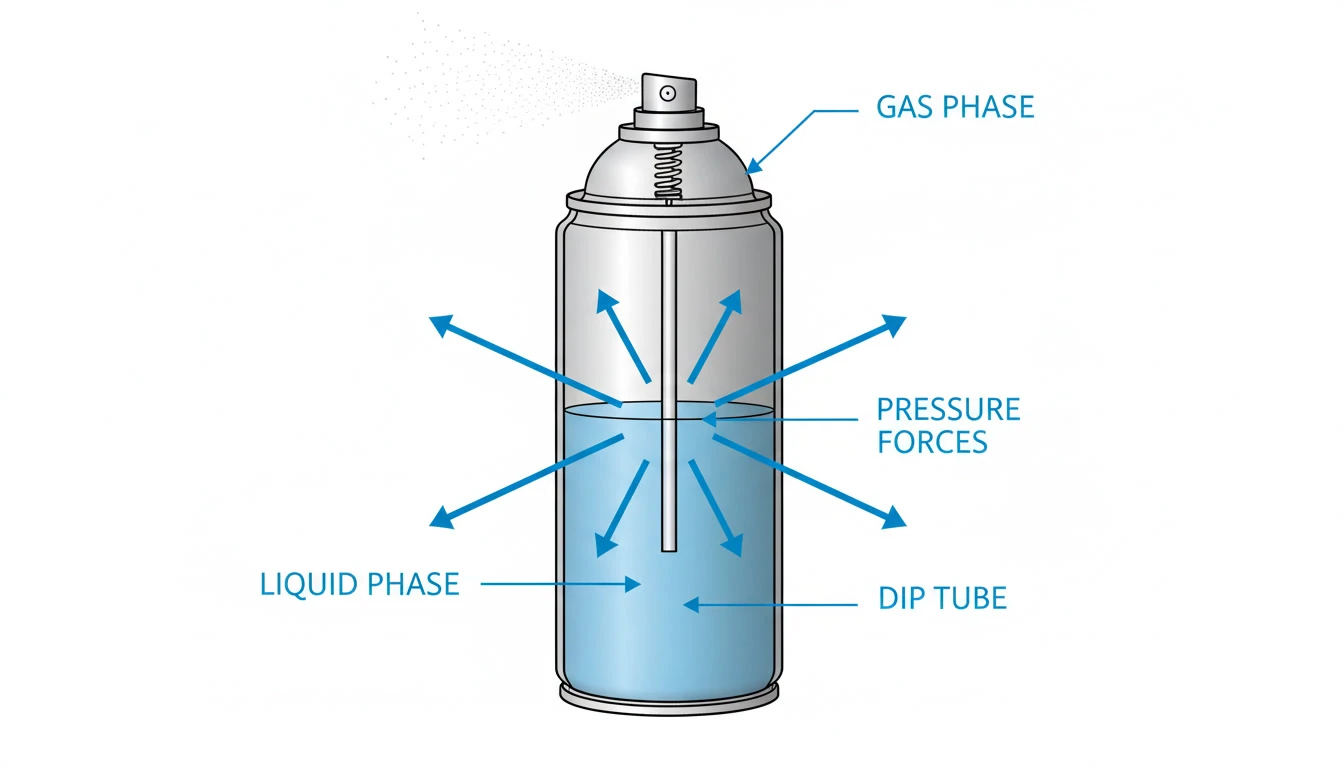
Figure 2: Internal pressure distribution inside an aerosol can
Why Aerosol Can Safety Matters for Startups & Manufacturers
Aerosol cans operate as sealed pressure vessels, meaning their safety depends on predictable mechanical behavior under defined loads. Startups entering the aerosol ecosystem often underestimate the engineering behind can selection, pressure design, and testing. In practice, safety failures arise not from rare circumstances but from basic errors such as incorrect propellant ratios, improper fill levels, or the use of non-certified components.
A reliable safety strategy reduces the risk of can rupture, valve failure, product recalls, and regulatory violations. In regions like India, where the aerosol market is expanding rapidly, adherence to global standards is essential for exports and brand credibility.
- Predictable pressure behavior across temperature ranges
- Mechanical strength of tinplate or aluminium cans
- Regulatory acceptance for transport and storage
- Quality control across every filling batch
Understanding Aerosol Can Pressure Basics
Pressure behaviour differs fundamentally between propellant types, a distinction covered in full in our guide to compressed versus liquefied gas aerosols and how aerosol cans work.
Aerosol pressure arises primarily from the vapor pressure of the propellant inside the container. Propellants such as LPG (propane–butane mixtures), DME, CO₂, and HFC-152a each exert specific vapor pressures at given temperatures. Since aerosols are stored and transported at varying temperatures, pressure calculations must consider worst-case conditions such as 50–55°C.
Internal pressure increases sharply with temperature due to the thermodynamic expansion of gases and increased vaporization of liquefied propellants. Standard tinplate cans are engineered with a defined working pressure, test pressure, and burst pressure to ensure safe operation.
- Tinplate 2-piece and 3-piece cans: working pressure ≈ 8–10 bar at 55°C
- Aluminium monobloc cans: working pressure ≈ 12–15 bar at 55°C
- Propellants like propane–butane mixtures: vapor pressure ≈ 6–8 bar at 20°C, rising at higher temperatures
| Parameter | Typical Range / Note |
|---|---|
| Working pressure (tinplate cans) | ≈ 8–10 bar at 55°C |
| Working pressure (aluminium cans) | ≈ 12–15 bar at 55°C |
| Propellant vapor pressure (propane–butane) | ≈ 6–8 bar at 20°C (increases with temp) |
How to Perform Aerosol Pressure Calculations
Accurate pressure calculations use vapor pressure data from established physical property tables for each propellant. These values are typically presented as temperature–pressure curves. The internal pressure is determined by the vapor pressure of the propellant in equilibrium with its liquid phase, assuming the fill ratio is within specification.
The fill ratio—the percentage of liquid in the can—affects the gas space available to absorb thermal expansion. Higher liquid fill ratios leave less headspace and can cause pressure to rise more sharply at elevated temperatures. Therefore, quantitative pressure modelling is essential during formulation.
- Use validated vapor pressure curves or Antoine equation data for each propellant
- Consider the mixture rule for blended LPG systems
- Maintain recommended liquid fill ratios (typically ≤ 80%)
- Ensure working pressure is well below the can’s certified test and burst pressures
| Calculation Consideration | Recommendation |
|---|---|
| Vapor pressure data source | Validated tables or Antoine equation |
| Fill ratio | Typically ≤ 80% liquid |
| Mixtures (LPG blends) | Apply mixture rules for vapor pressure |
Burst Testing Explained (The Ultimate Can Safety Test)
Burst testing verifies the container independently of the seal; the crimp and gasket side of the safety envelope is covered separately in aerosol valve gasket materials and why aerosol cans leak.
Burst testing is the definitive mechanical test that ensures an aerosol can can withstand extreme internal pressures beyond normal operating conditions. The test simulates a worst-case scenario by gradually increasing pressure—usually with water in hydrostatic equipment—until the can mechanically fails. This provides a measurable burst pressure, which must exceed regulatory minimums.
Hydrostatic burst testing is the preferred method because water is incompressible and reduces the risk of explosive failure during testing. Pneumatic tests may be used for specific components but require strict safety controls due to stored energy in compressed air.
- Tinplate cans generally require burst values around 18–22 bar
- Aluminium monobloc cans often exceed 18–20 bar
- Test pressure (hydrostatic) is usually 1.5 times the working pressure
- Consistent failure mode indicates stable manufacturing quality
| Test | Typical Requirement / Note |
|---|---|
| Hydrostatic burst | Tinplate ~18–22 bar; Aluminium >18–20 bar |
| Test pressure multiplier | Usually 1.5× working pressure |
| Pneumatic testing | Use with strict safety controls |
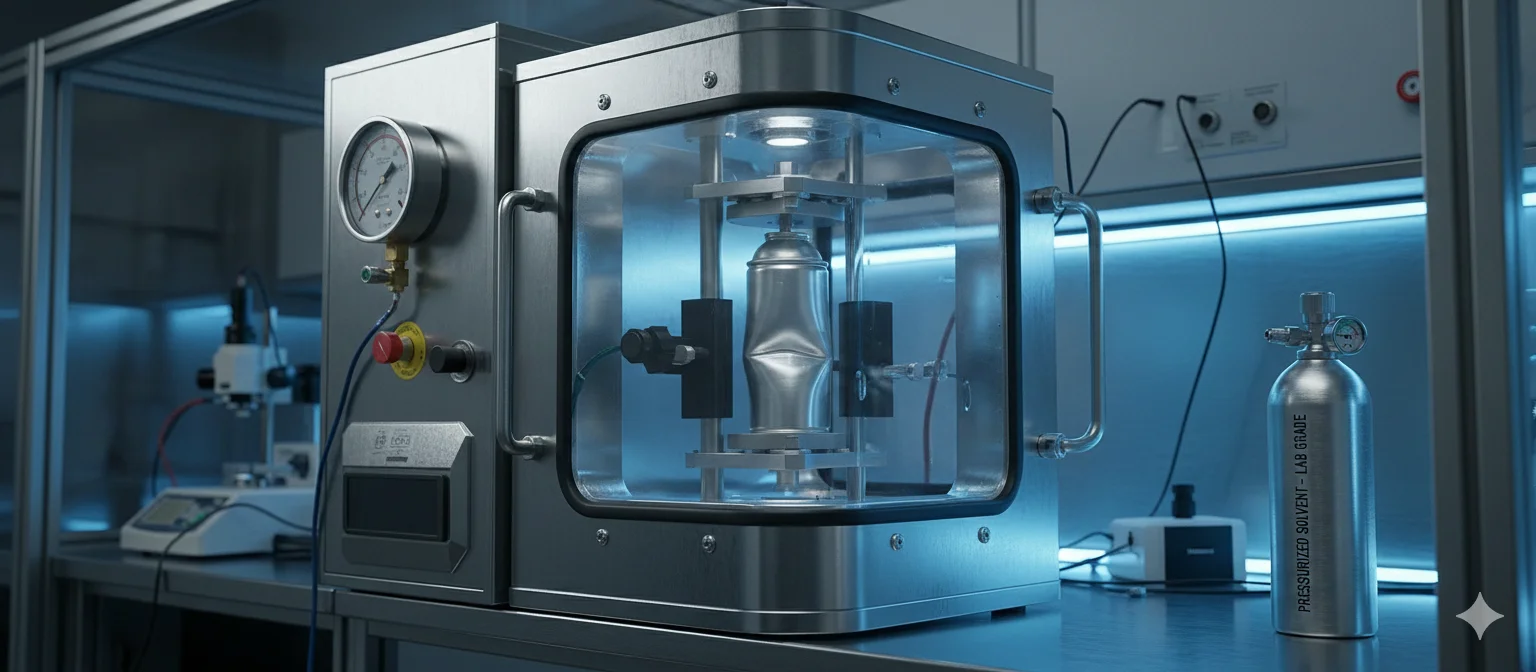
Figure 3: Hydrostatic burst test machine
Global Regulatory Standards for Aerosol Can Safety
Testing thresholds referenced throughout this guide follow standardised methods published by ASTM International and ISO, and in the EU the applicable framework is the Aerosol Dispensers Directive 75/324/EEC.
Aerosol packaging safety is governed by well-established global regulations applicable to transport, manufacturing, and labeling. Compliance ensures safe handling through the supply chain and acceptance in international markets. These standards define pressure requirements, testing procedures, and approved can specifications.
The U.S. Department of Transportation (DOT), UN Model Regulations, and ADR (Europe) provide harmonized requirements. Manufacturers must understand which classification applies to their can type—commonly DOT-2P and DOT-2Q for tinplate containers.
- DOT 49 CFR for aerosol pressure vessel classification
- UN Recommendations on the Transport of Dangerous Goods
- ADR (European Agreement concerning the International Carriage of Dangerous Goods by Road)
- BIS/Indian Standards for metal containers and aerosol filling
| Regulatory Framework | Scope |
|---|---|
| DOT 49 CFR | USA aerosol pressure vessel classification |
| UN Model Regulations | International transport of dangerous goods |
| ADR | European road transport of dangerous goods |
| BIS | Indian standards for metal containers |
DOT Guidelines: What Indian & Global Brands Must Know
Full classification and packaging requirements for shipping aerosols as UN 1950 dangerous goods are set out in the UN Model Regulations, and covered in depth in our guide to DOT and UN aerosol transport rules.
DOT classifications directly relate to the minimum strength and test performance required from aerosol cans. DOT-2P applies to certain lightweight tinplate cans, while DOT-2Q applies to higher-strength, pressurized containers. These markings indicate that the can meets defined test and burst pressure requirements under federal regulations.
DOT guidelines also mandate hazard communication, labeling, leak testing, hot-water bath verification, and documentation. Hot-water bath testing at 50–55°C is widely used in manufacturing to ensure no leaks or deformation occur at elevated pressure.
- 2P and 2Q designations specify certified minimum pressure performance
- Every filled can must pass leak detection and hot-water bath testing
- Pressure standards are aligned with temperature exposure risk
- Transport regulations require proper labels, symbols, and documentation
| DOT Parameter | Requirement / Note |
|---|---|
| DOT designation | 2P or 2Q (certified minimum performance) |
| Hot-water bath | 50–55°C to check leaks/deformation |
| Labeling | Hazard communication and transport docs required |
Safety Best Practices for Aerosol Startups
These practices are formalised across the manufacturing stages described in Aerosol Manufacturing 101 and the scale-up sequence in from lab to commercial launch.
New aerosol manufacturers frequently face safety issues due to improper propellant selection, inaccurate filling, or insufficient quality control. A structured approach ensures safe operations and maintains compliance with domestic and international regulations.
Proper can selection must match the internal pressure profile of the formulation. The propellant concentration must be validated through pressure testing, and filling lines must incorporate reliable crimping, gassing, and leak-testing systems.
- Select cans (tinplate or aluminium) based on validated pressure data
- Use propellants appropriate for the formulation’s performance and safety
- Ensure accurate crimping and valve integrity checking on every batch
- Maintain QC logs including weight checks, pressure tests, and leak tests
| Best Practice | Action |
|---|---|
| Can selection | Match can to validated pressure profile |
| Propellant validation | Pressure testing for concentration |
| Crimping & valves | Integrity checks every batch |
| QC documentation | Weight, pressure, leak test logs |
Common Mistakes Made by New Manufacturers (And How to Avoid Them)
Many aerosol safety issues stem from preventable errors during formulation and filling. Overfilling liquid or using excessive LPG ratios dramatically increases internal pressure, especially under elevated temperatures. Similarly, non-certified cans or valves significantly reduce safety margins.
Hot-water bath testing is sometimes incorrectly performed or bypassed, leading to undetected leaks. These oversights can result in product failures during transport or consumer use.
- Overfilling leading to inadequate headspace
- Using non-compliant cans, valves, or components
- Incorrect crimping force causing leaks under pressure
- Skipping routine QC testing such as pressure and hot bath checks
| Common Mistake | How to Avoid |
|---|---|
| Overfilling | Adhere to fill ratio recommendations |
| Non-compliant components | Use certified cans/valves |
| Incorrect crimping | Calibrate crimping tools and check seals |
| Skipping QC | Enforce batch testing protocols |
Conclusion — Building Safe, Compliant, High-Quality Aerosol Products
Aerosol safety is fundamentally rooted in engineering, thermodynamics, mechanical testing, and regulatory compliance. By understanding pressure behavior, performing accurate burst tests, and following established global standards, startups and manufacturers can produce reliable and export-ready products. Implementing structured quality systems not only ensures safety but also strengthens brand trust and market acceptance.
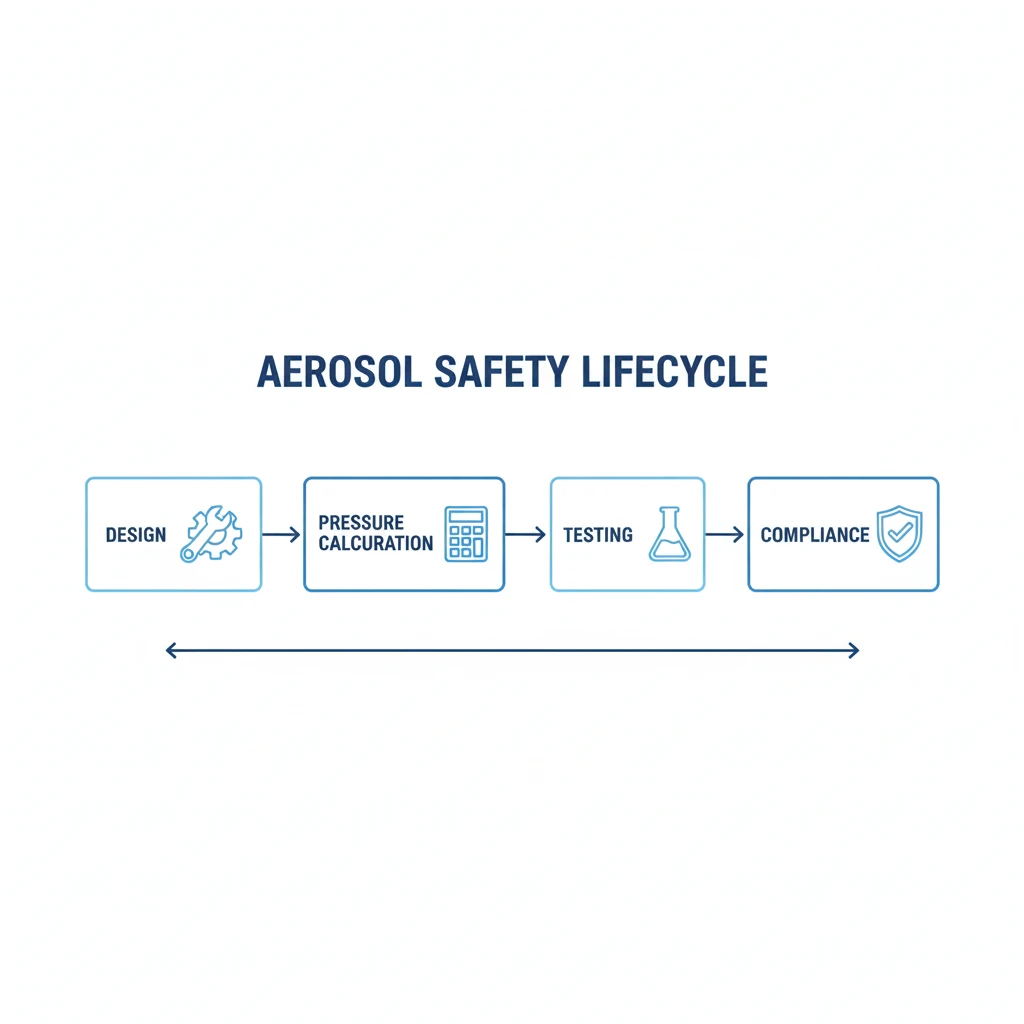
Figure 4: Aerosol safety lifecycle flowchart
Frequently Asked Questions
What is the normal working pressure of an aerosol can?
Why is burst testing required for aerosol cans?
What temperature is used for aerosol hot water bath testing?
How does propellant choice affect aerosol can safety?
Can non-certified aerosol cans be legally sold?
What happens if an aerosol can is overfilled?
Need Technical Support for Aerosol Formulations?
Partner with Global Aerosols to audit, scale up, and troubleshoot your aerosol chemistry, canister pressure calculations, filling lines, and safety systems.
Email: consulting@globalaerosols.com
Website: https://www.globalaerosols.com
Phone: +91 9819548320 +91 8169102990
About the Specialist
Absar Khan is the founder and lead aerosol consultant at Global Aerosols. He possesses cross-disciplinary engineering expertise spanning aerosol pressure vessel design, burst testing, DOT/UN compliance, and regulatory strategy. Absar leads scientific and engineering advisory teams supporting manufacturers globally in technology selection, GMP layouts, validation frameworks, and regulatory strategies.
LinkedIn Portfolio: Connect with Absar Khan on LinkedIn