IndustrialAerosolCanManufacturing
Aluminum & Tinplate Pressure Vessels
Precision-engineered pressure vessels certified to global standards. We provide seamless aluminum monobloc and high-rigidity tinplate steel containers manufactured for maximum performance, chemical compatibility, and burst safety.
Our Production Catalog
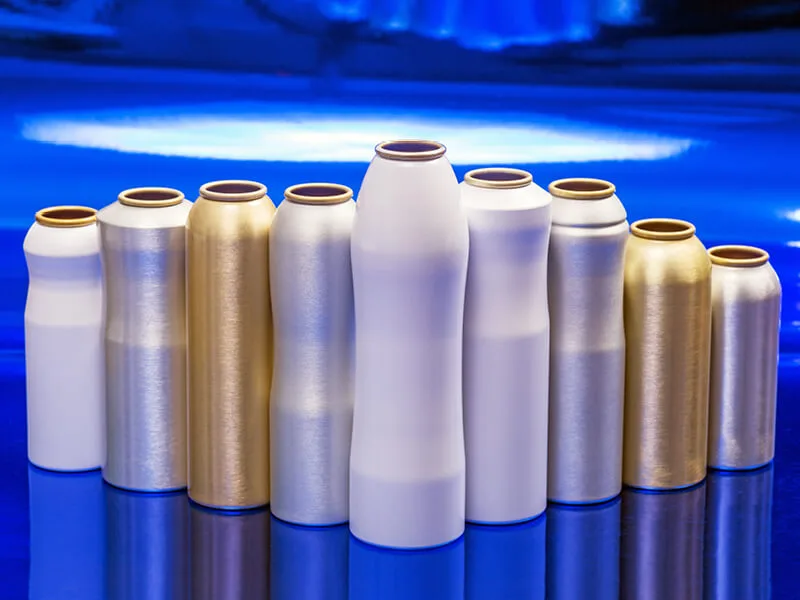
Aluminum Monobloc
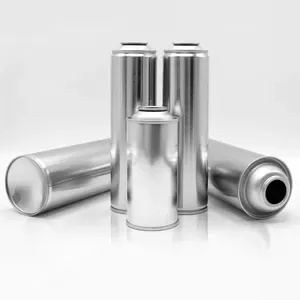
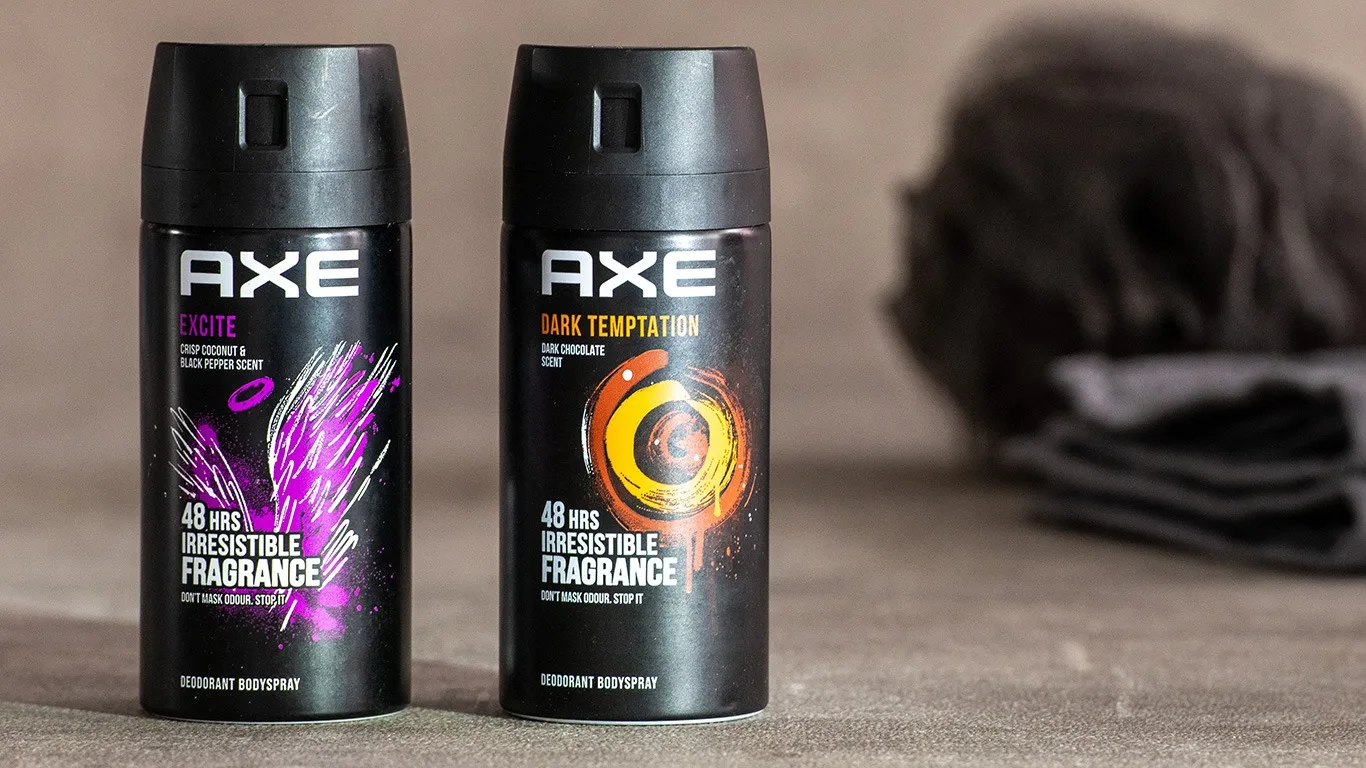
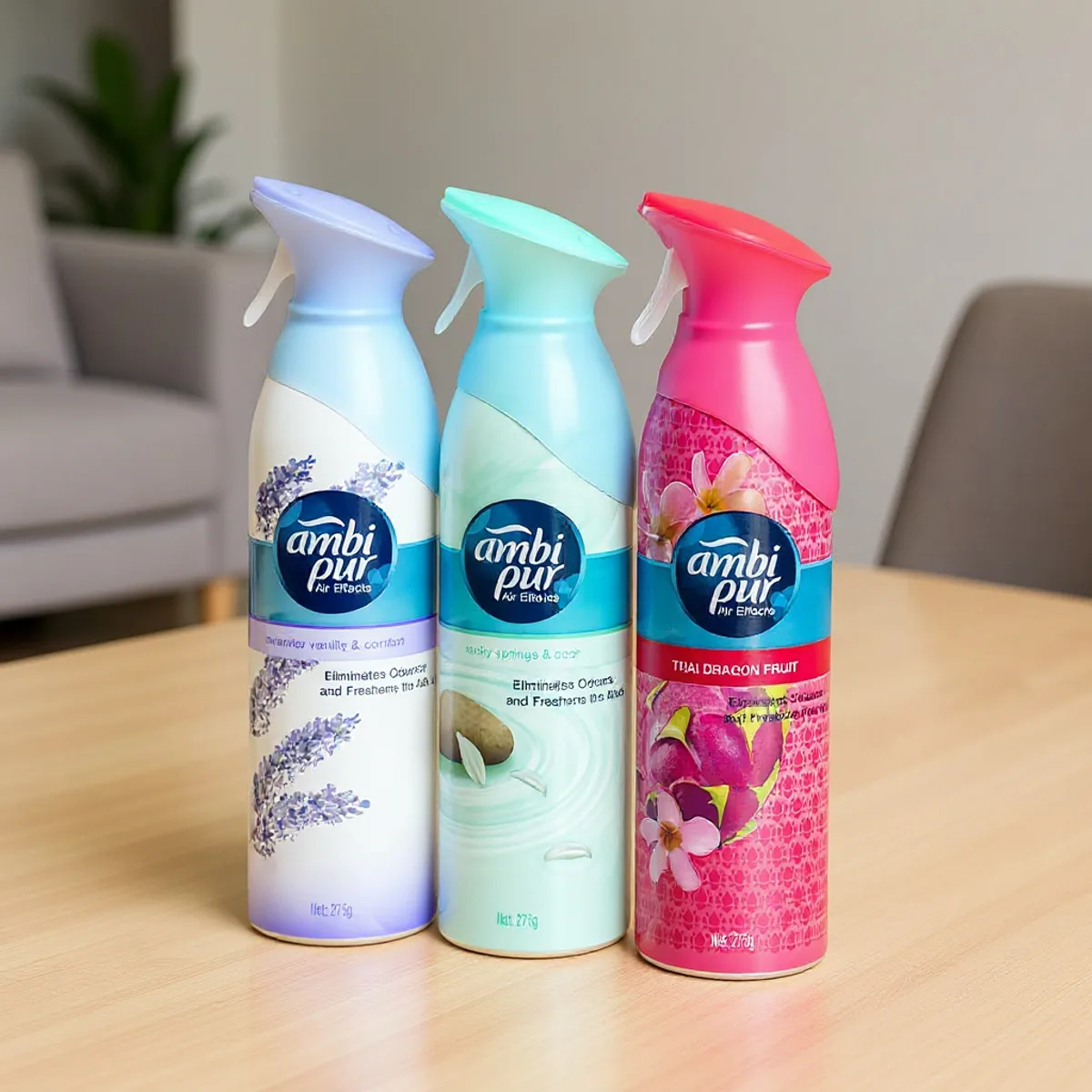
Body Spray / Deo
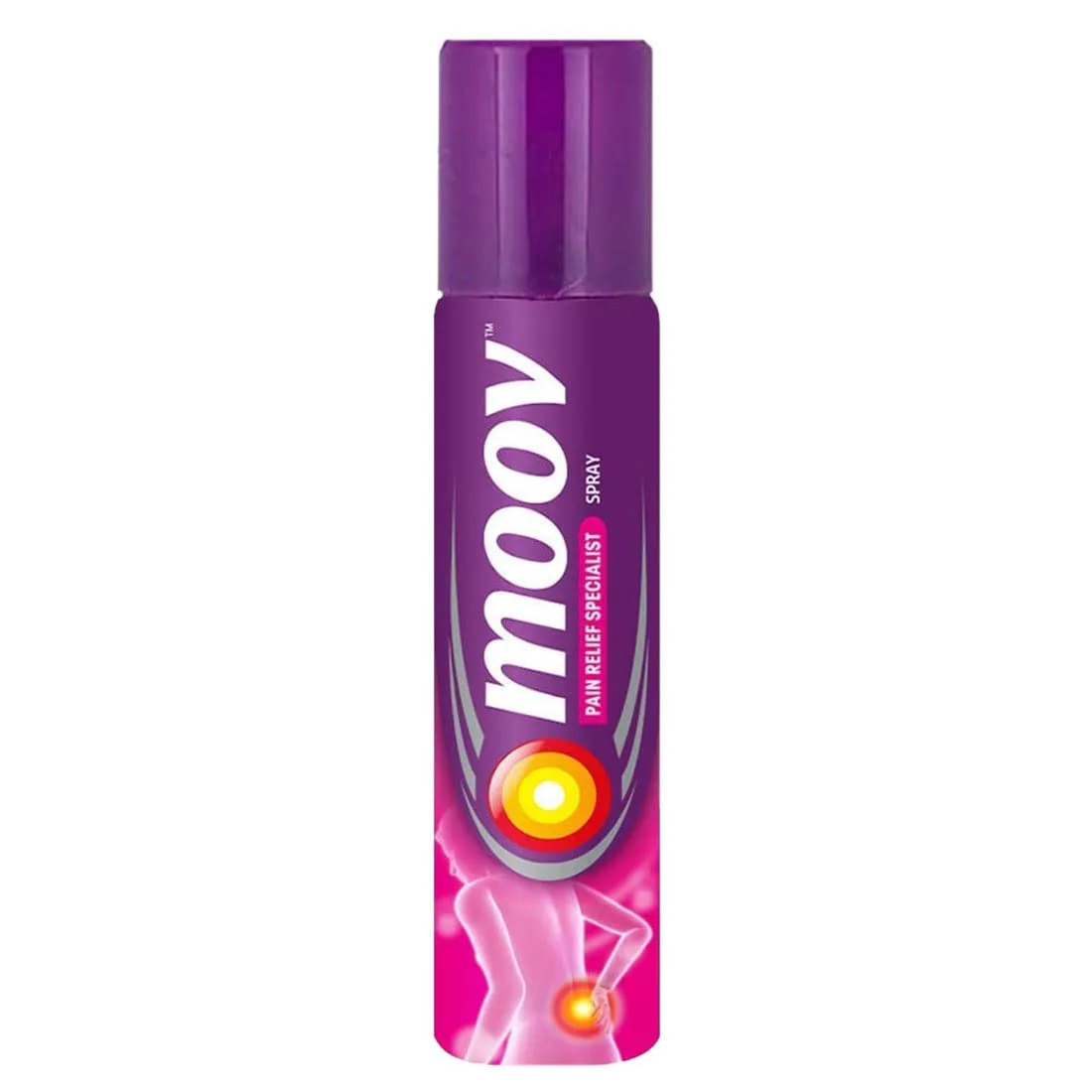
Pharma Inhalers
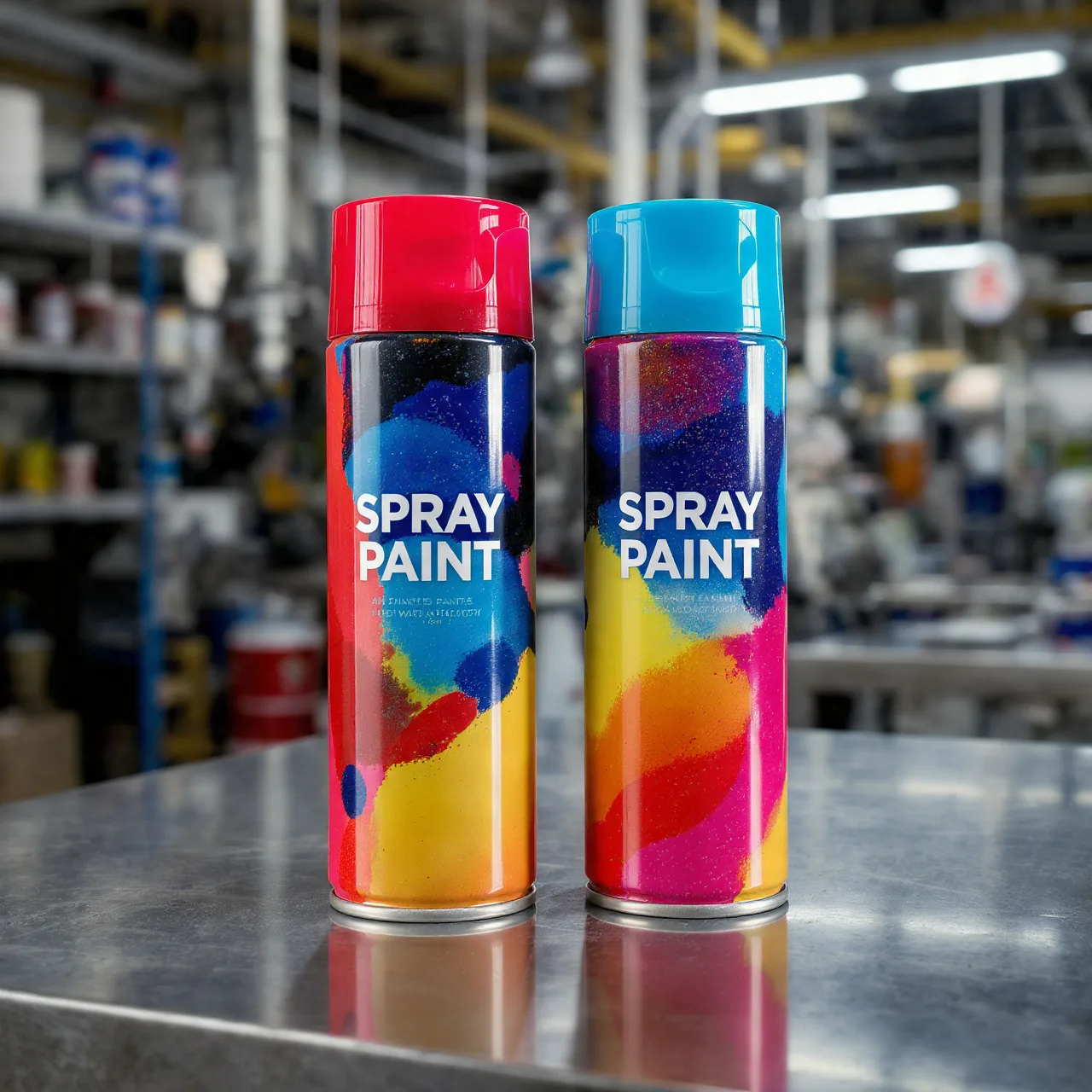
Spray Paint Cans
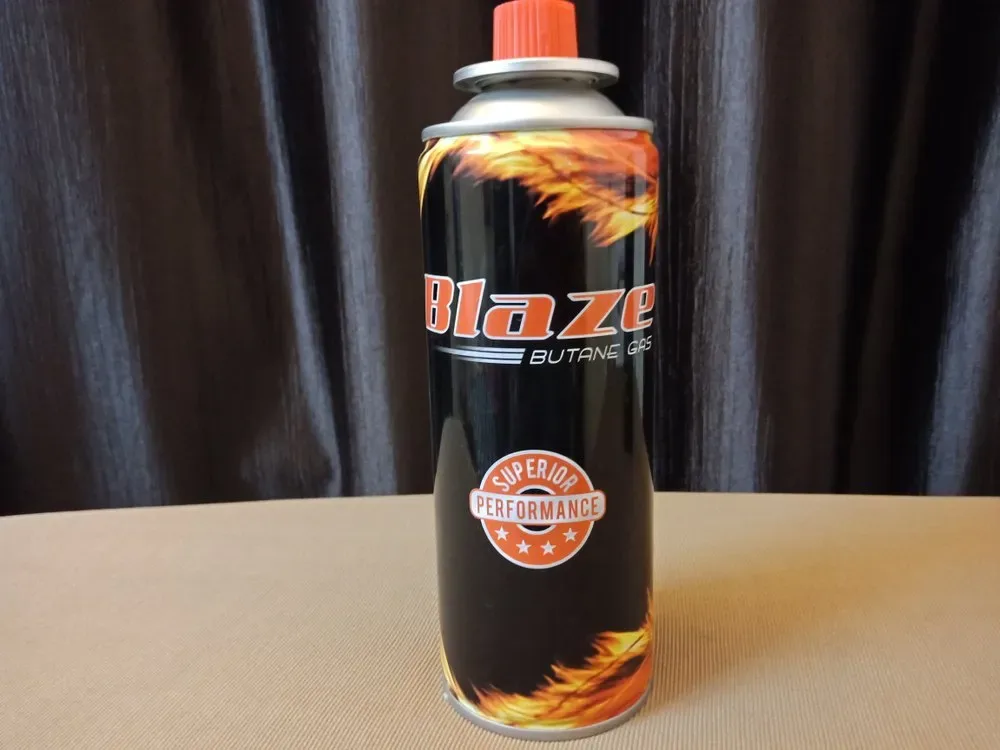
Butane Cartridges
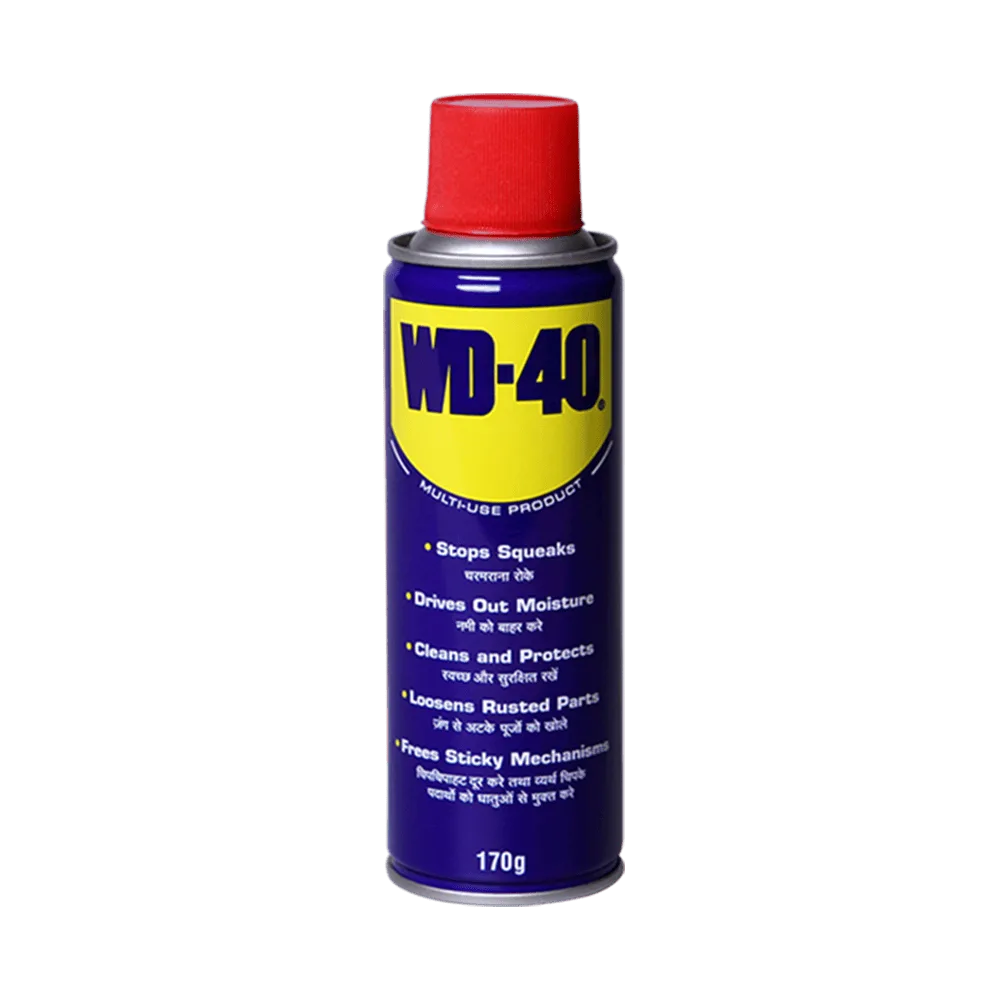
Penetrative Oil
Chain Lubricant
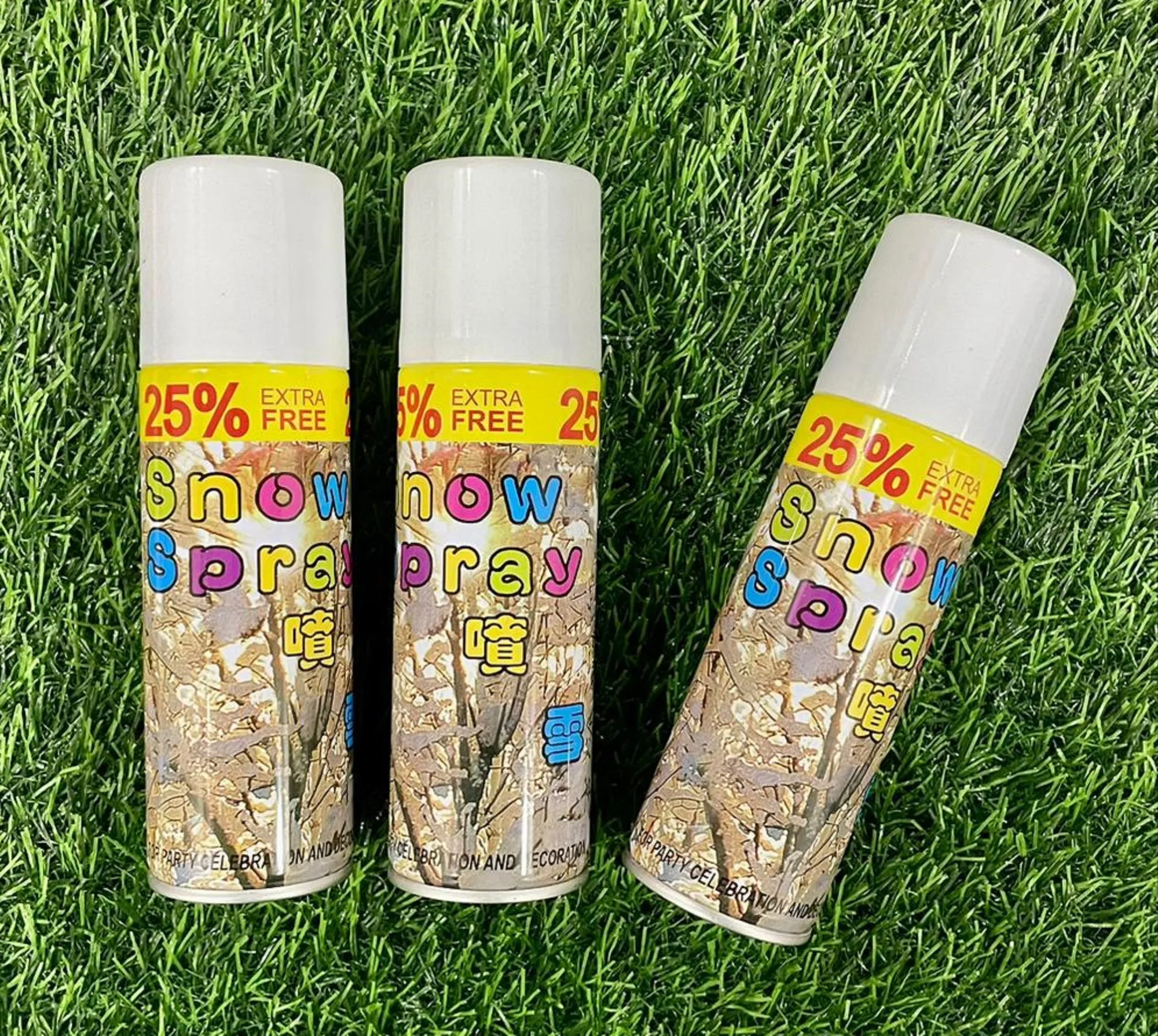
Artificial Snow
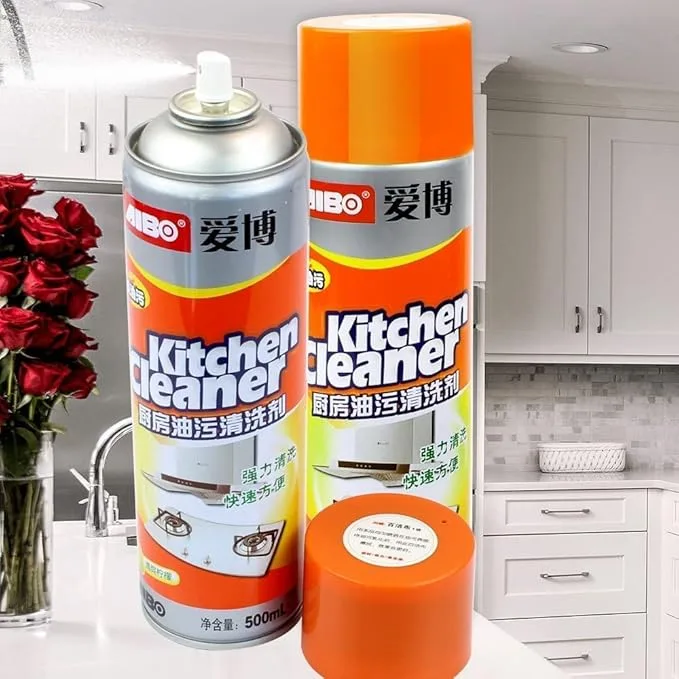
Foaming Cleaner
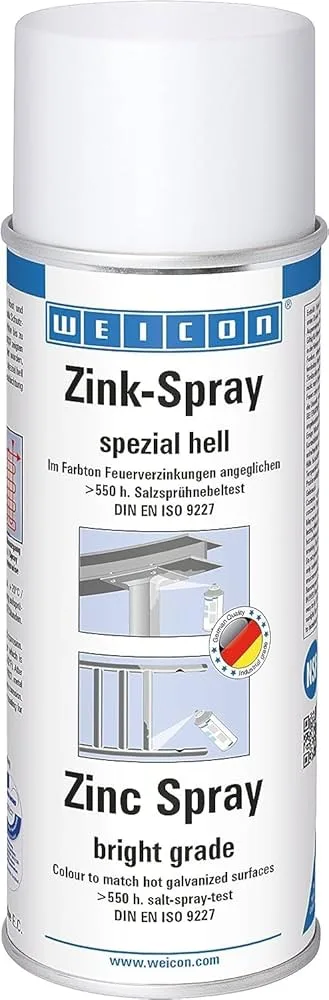
Zinc Galvanizing Spray
Sizes, MOQ & Lead Times
| Can Type | Diameters | Material | Typical MOQ | Lead Time |
|---|---|---|---|---|
| Aluminum Monobloc | 35 / 45 / 53 / 66 mm | Alloy 99.7% | 10,000 units | 4–6 weeks (custom) |
| Tinplate (3-Piece) | 45 / 52 / 65 mm | ETP Steel | 20,000 units | 4–6 weeks (custom) |
| Plain / Stock Cans | Standard range | Aluminum / Tinplate | Pallet quantities | Immediate dispatch |
MOQ and lead times are indicative — bulk, export and OEM terms available on request.
Get Bulk & Export Pricing
Request a quote for wholesale aerosol cans — custom sizes, lithography and contract filling included.
Technical Knowledge Hub
Deepen your understanding of aerosol engineering and manufacturing processes.
Aerosol Can Safety Standards
Understanding rigorous testing protocols: DOT 2Q/2P compliance, hot water bath validation, and burst pressure limits for hazmat transport.
Read Safety GuideTypes of Aerosol Systems
A detailed breakdown of 2-phase vs. 3-phase systems, bag-on-valve (BoV), and piston barrier designs engineered for various formulation viscosities.
Explore SystemsAerosol Manufacturing 101
Explore the complete engineering lifecycle: from raw aluminum slug extrusion to necking, flanging, valve crimping, and quality control.
View Process FlowMachinery & Equipment
Discover the mechanical systems that power high-volume lines, including automated filling, gassing houses, and crimping stations.
Browse EquipmentFrequently Asked Questions
Global Aerosols Engineering Dossier
1. The Physics of Pressurized Packaging
The aerosol can is a marvel of modern engineering, functioning as a portable pressure vessel that must maintain structural integrity under varying thermal and physical stress conditions. At Global Aerosols, we engineer our containers to withstand internal pressures significantly higher than standard atmospheric conditions.
In a typical 2-phase system, the propellant exists in both liquid and gaseous states. As the product is dispensed, the liquid propellant boils off to replenish the vapor phase, maintaining a constant internal pressure (approximately 3 to 5 bar at 20°C).
2. Metallurgy: Monobloc Aluminum vs. Tinplate Steel
Material selection is dictated by chemical compatibility. Our Aluminum Monobloc cans are manufactured via impact extrusion from 99.7% pure aluminum slugs. This seamless construction eliminates side-seam risks and provides a premium vessel for personal care.
Conversely, our 3-Piece Tinplate Cans are constructed from a flat steel sheet that is rolled and welded. Tinplate offers superior rigidity and magnetic properties, making it the preferred choice for industrial lubricants and paints.
3. Propellant Thermodynamics & Selection
The choice of propellant defines the spray characteristics. Liquefied Gas Propellants (Propane, Butane, DME) act as solvents and propellants. For non-flammable applications, we engineer systems using Compressed Gases (Nitrogen, CO2) which require precise initial pressure calculations.
4. Manufacturing: The Cold Extrusion Process
Our aluminum cans begin as a metal slug. Through Impact Extrusion, a heavy mechanical press causes the aluminum to flow backwards around a punch, forming the cylinder in milliseconds. The cans are then trimmed, washed, and passed through necking stations.
Necking reduces the top diameter to accommodate the valve cup. This process induces work hardening, increasing the shoulder's structural strength. Finally, flanging creates the curl for crimping, measured in microns.
5. Quality Assurance & Regulatory Compliance
Adhering to DOT 2Q/2P standards requires validation. The most critical test is the Hot Water Bath. Every filled can is submerged at 50°C to raise internal pressure near burst limits, allowing immediate detection of leaks.
We also conduct statistical burst pressure analysis. A standard monobloc can must withstand deformation pressures of 12 bar and burst pressures exceeding 18 bar, ensuring safety even in high heat conditions.
6. Advanced Valve & Actuator Tribology
The valve is the engine of the aerosol. We utilize metered-dose valves for pharmaceuticals and high-output valves for industrial paints to prevent clogging. The actuator determines spray morphology—whether it is a jet, cone, or fan.
Receive the latest Synthesis insights.
Partner with our laboratory to scale, optimize, and launch premium consumer chemical formulations.