IndustrialAerosolCaps&SprayActuators
Specialized Closures for Tinplate & Aluminium
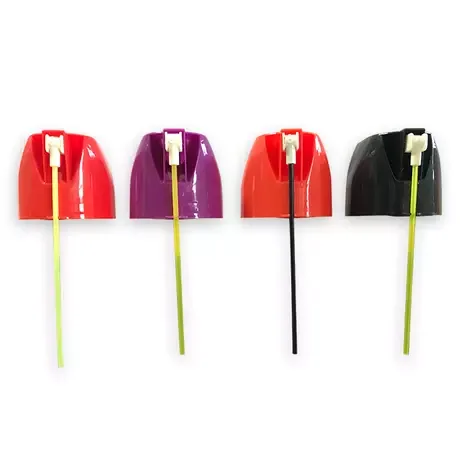
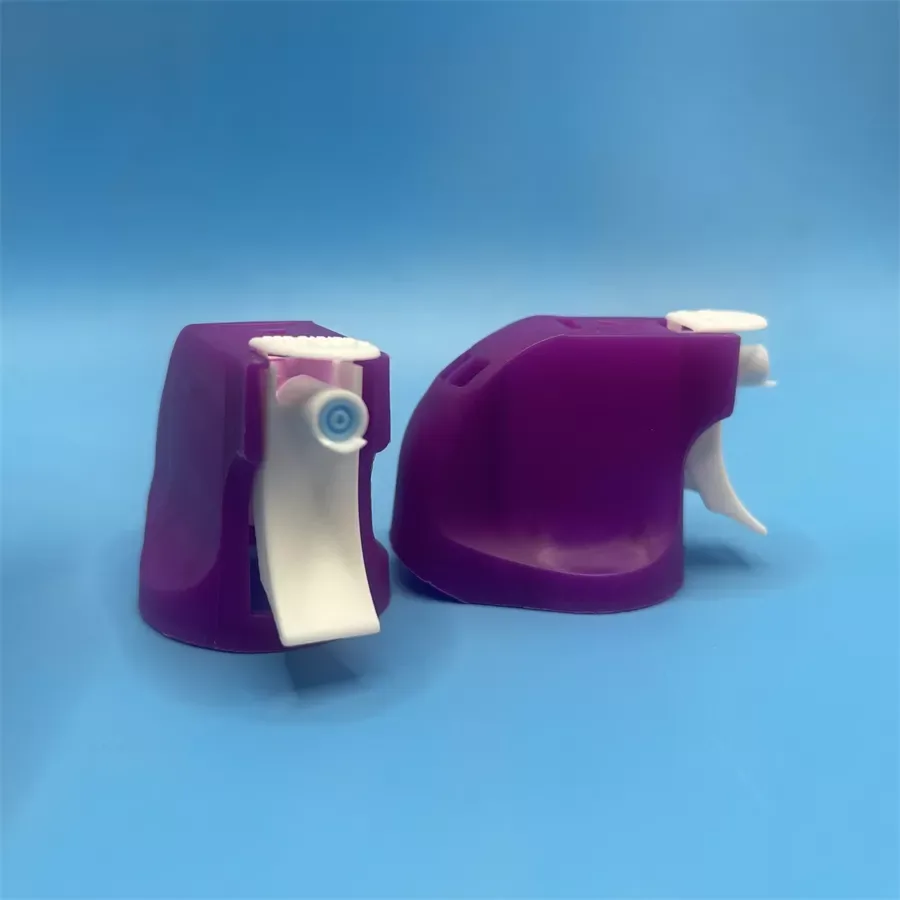
Global Aerosols provides a complete range of closure solutions. From Tinplate Aerosol Caps for industrial lubricants to cosmetic Aluminium Can Caps. We also specialize in technical actuators, including caps with extension tubes and ergonomic trigger sprayers.
Technical Specifications
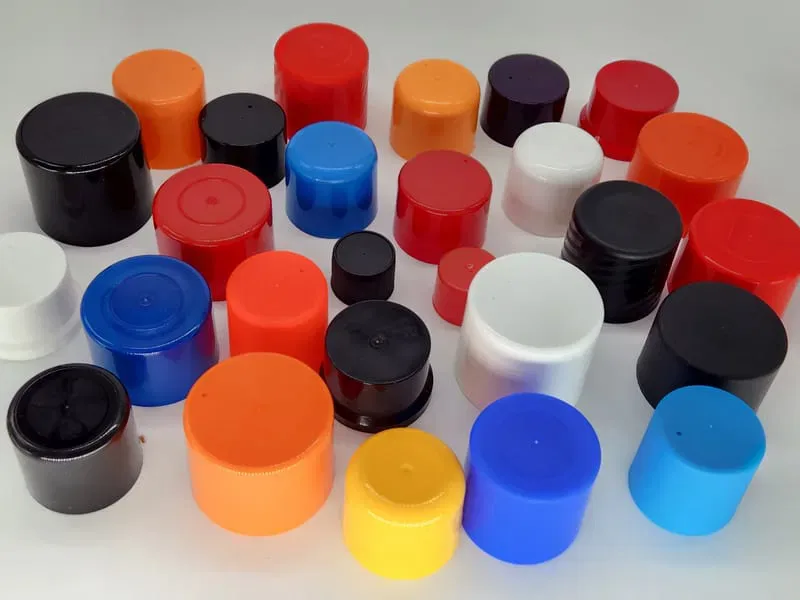
Tin Plate Aerosol Caps
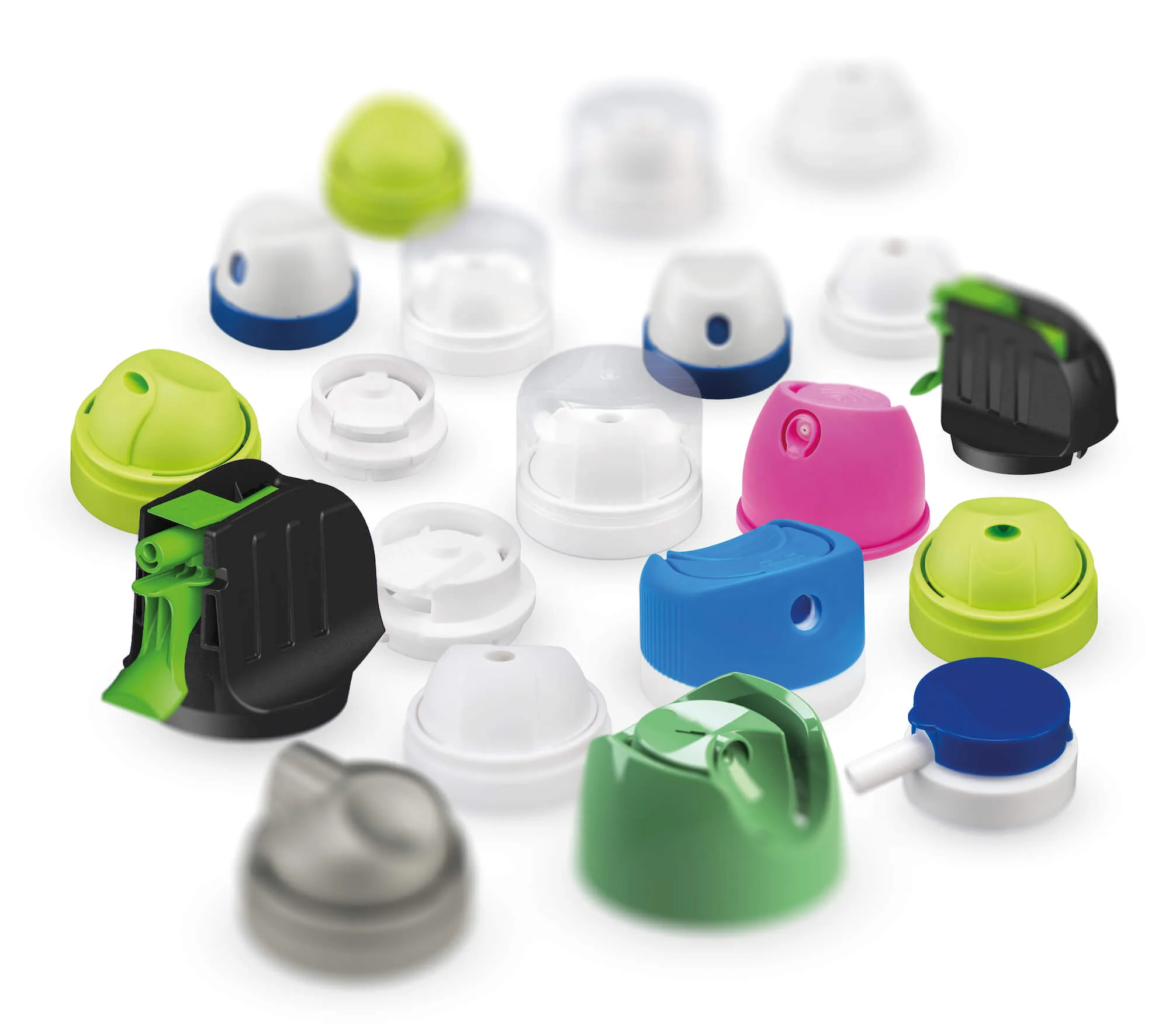
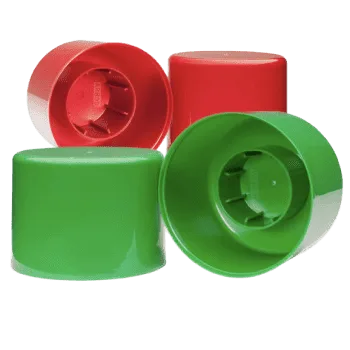
Sizes, MOQ & Lead Times
| Closure Type | Diameters | Material | Typical MOQ | Lead Time |
|---|---|---|---|---|
| Tinplate Caps | 52 / 57 / 65 mm | PP / Metal | 50,000 pcs | 4–6 weeks |
| Aluminium Caps | 35 / 45 / 53 mm | Aluminium / PP | 50,000 pcs | 4–6 weeks |
| Spray Caps & Actuators | Standard fit | PP / PE | 100,000 pcs | 4–6 weeks (custom) |
| Trigger / Extension Caps | Snap-on | PP | 50,000 pcs | 5–7 weeks |
MOQ and lead times are indicative — bulk, export and OEM terms available on request.
Get Bulk & Export Pricing
Request a quote for wholesale aerosol caps, overcaps and actuators — custom tooling and colours included.
Engineering Resources
Review the documentation and mechanical blueprints that power our flow control systems.
Crimping & Leak Detection
A guide to the most critical manufacturing steps: ensuring a safe seal with crimp depth validation and water bath testing.
View Tech GuideActuators 101
Understanding the components that determine spray patterns, particle size (MBU), and consumer experience.
Actuator GuideManufacturing 101
A comprehensive overview of the aerosol production line, from empty cans to finished goods.
Production FlowHow Aerosol Cans Work
The physics behind pressurized packaging: the relationship between propellants, product, and pressure.
Physics ExplainedClosures Technical FAQ
Closures Engineering Dossier
1. Injection Molding Precision
Aerosol overcaps are manufactured using High-Speed Injection Molding. Polypropylene (PP) pellets are melted and injected into a steel mold cavity under high pressure. The cooling cycle determines the crystalline structure and impact resistance of the cap. We maintain tolerances of +/- 0.1mm to ensure the "snap fit" remains secure during transport but removable by the consumer.
For custom branding, we utilize In-Mold Labeling (IML) or post-mold pad printing to apply logos directly onto the plastic surface.
2. Snap-Fit Tribology
The retention force of a cap is governed by the friction between the cap ribs and the can's mounting cup or shoulder. We engineer the Undercut Geometry to provide an audible "click" upon closure. If the retention is too low (<2kg), the cap falls off on the shelf; if too high (>6kg), the consumer cannot remove it easily. We balance this for optimal user experience.
3. The Mechanics of Trigger Actuators
Trigger caps are complex assemblies involving a lever, a pivot point, and a vertical actuation channel. Unlike standard buttons, the trigger mechanism translates horizontal finger force into vertical valve depression. This reduces finger fatigue during extended use, making them the standard for household cleaners and garden insecticides.
4. Extension Tube Integration
For "Smart Straw" or extension tube caps, the actuator insert is modified to accept a polyethylene tube. The fit must be tight enough to prevent the tube from becoming a projectile under pressure (70+ PSI), yet allow for smooth flow. We utilize press-fit automation to ensure consistent tube retention and alignment.
5. Material Science: PP vs. PCR
Virgin Polypropylene (PP) offers the best clarity and color vibrancy. However, environmental regulations are driving the shift to Post-Consumer Recycled (PCR) plastics. We modify our mold flow analysis for PCR resins, which have a slightly different melt flow index (MFI), ensuring that sustainable caps retain the same structural integrity as virgin materials.
Receive the latest Synthesis insights.
Partner with our laboratory to scale, optimize, and launch premium consumer chemical formulations.