Aerosol Manufacturing 101: Technical Guide to Formulation & Safety
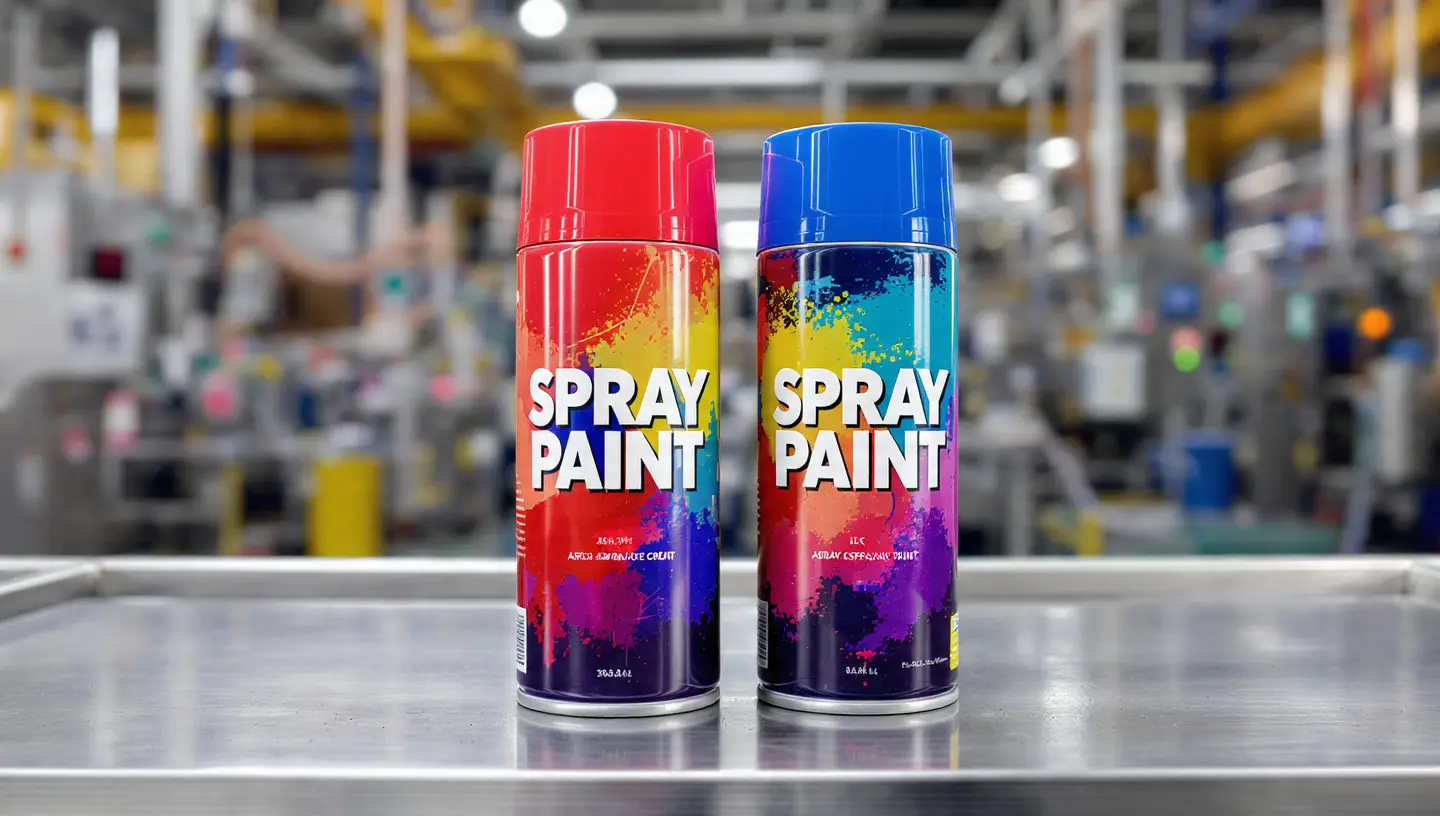
Aerosol products are among the most technically sophisticated packaging systems used in modern industry. From pharmaceuticals and personal care to automotive, food, and industrial maintenance, aerosols enable precise delivery, controlled dosage, contamination protection, and consistent performance over extended shelf life. Behind every functioning aerosol can is a tightly engineered system involving formulation chemistry, propellant physics, pressure-rated containers, precision valves, and rigorous safety control.
Guide Contents
1. Industry Overview: Why Aerosols Remain a Precision Delivery System
Aerosols are not merely a packaging format; they are a precision dispensing technology that integrates mechanical engineering, physical chemistry, and controlled pressurization. Their sustained relevance across multiple industries is rooted in three core performance advantages: accurate and repeatable dose delivery, physical isolation of the active product from external atmospheric contamination, and long-term shelf life with minimal degradation when properly formulated. Unlike standard manual pumps, aerosols operate through controlled internal pressure differentials, enabling fine sprays, foams, or jets without reliance on user force.
This article provides a technical, regulatory, and commercial overview of aerosol manufacturing, written for entrepreneurs, startups, diversification investors, and technical managers evaluating entry into the aerosol industry. It explains how aerosols work, how they are formulated and filled, what regulatory and safety frameworks apply, and what early-stage entrepreneurs must understand before entering production.
The Market Landscape: Key Sectors Driving Aerosol Demand
The global market for aerosol products spans multiple manufacturing sectors, each with its own technical constraints and consumer expectations. Personal care and pharmaceuticals require high-purity ingredients and fine spray patterns, while industrial and automotive applications prioritize solvency, chemical stability, and high-force discharge. Below are the key sectors currently driving global demand:
- Personal Care & Cosmetics: Deodorants, hair sprays, shaving foams, perfumes, sunscreens
- Pharmaceuticals & Healthcare: Metered dose inhalers, antiseptic sprays, topical medicines
- Industrial & Automotive: Penetrants, lubricants, cleaners, paints, rust inhibitors
- Household & Institutional Cleaning: Surface sprays, disinfectants, air fresheners
- Food & Specialty Applications: Whipped cream, cooking sprays, mold release agents
The Advantage of Aerosols: Contamination Control and Precise Dosage
Aerosols offer distinct advantages over standard pump dispensers and liquid bottles, making them indispensable for precision applications. By utilizing a completely sealed container, they prevent external air, moisture, and microbial contaminants from entering the product during use. This hermetic isolation ensures long shelf life and prevents the oxidation of sensitive active ingredients. Additionally, the integrated valve-actuator assembly regulates spray rate and droplet sizing to deliver consistent, repeatable dosing with every actuation.
2. The Anatomy of an Aerosol System
Each component in this system is covered in its own dedicated guide: how aerosol cans work, valve gasket materials, and the filling line itself.
An aerosol product is not simply a pressurized can; it is a complex, multi-component delivery system where every element must be engineered to function in harmony. The choice of container material, valve seal elastomers, and actuator orifice dimensions directly influences the spray pattern, discharge rate, and overall container integrity. Any incompatibility between the product concentrate and these packaging materials can lead to leakage, pressure loss, or chemical degradation.
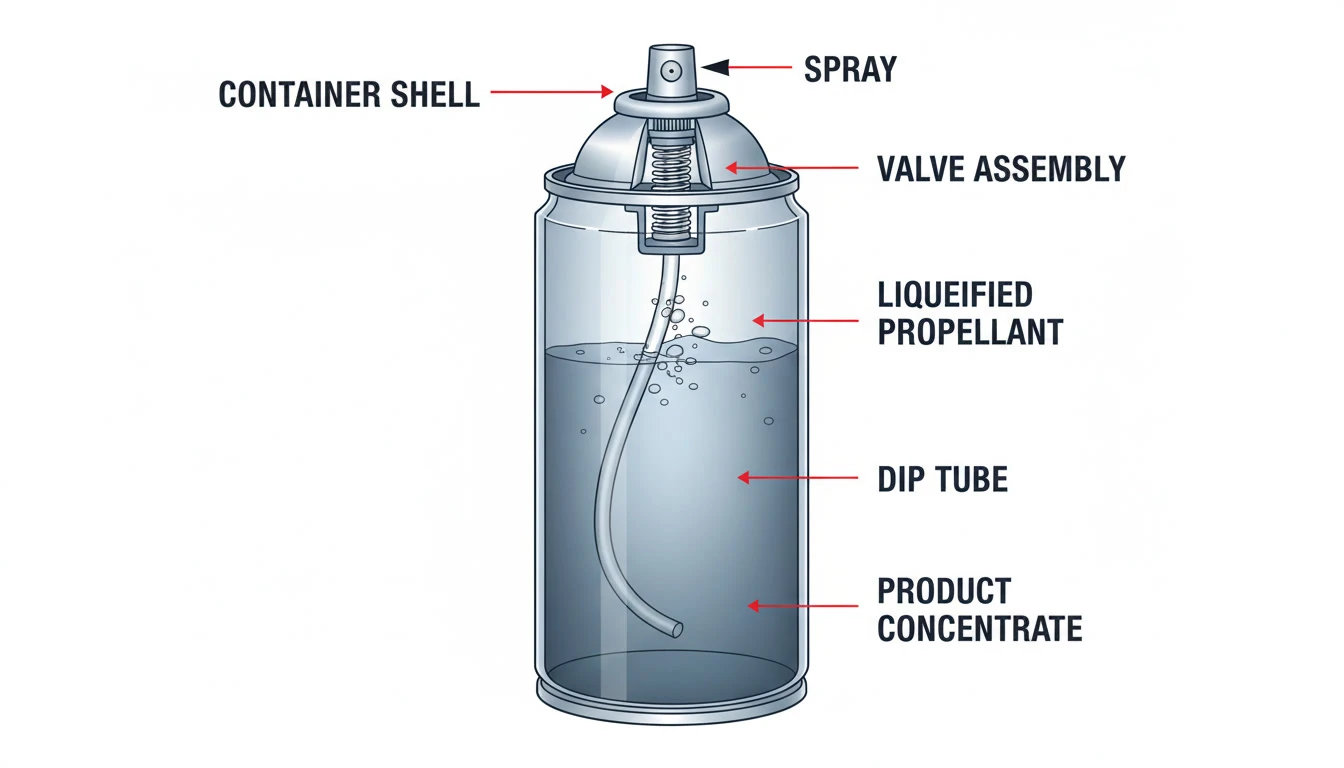
Figure 1: Internal structure of a standard aerosol can showing product and propellant zones.
The Five Core Components of an Aerosol System
Every standard aerosol device consists of five critical components that work together to maintain pressure and dispense the formulation. The product concentrate contains the active chemical agents, while the propellant provides the thermodynamic force required for expelling and atomizing the mixture. The container serves as the pressure vessel, the valve controls flow rates, and the actuator provides the final nozzle geometry to form the spray. Below is a detailed breakdown of these components:
- Product Concentrate (The Active Ingredient): The product concentrate is the functional formulation that performs the intended task. It may contain cosmetic actives, pharmaceutical APIs, solvents, surfactants, corrosion inhibitors, fragrances, pigments, or functional resins. The concentrate must be chemically stable under pressure, non-reactive with the selected propellant, and compatible with container coatings and valve elastomers.
- The Propellant (The Driving Force): The propellant provides the energy required to expel the product from the container and atomize it during discharge. Depending on system design, the propellant may remain partially liquefied or exist entirely in the gaseous state. Its vapor pressure governs spray force, delivery rate, and internal can pressure at different temperatures.
- The Container (Pressure Vessel Requirements): Aerosol containers are classified as pressure vessels and must safely withstand internal pressure fluctuations, mechanical shock, and temperature excursions during transport and storage. Common materials include tinplate steel, aluminum, and PET with barrier coatings. Each container type is designed with pressure-rated wall thickness, internal protective coatings, and domed bases for structural stability.
- The Valve (Controlling Flow and Spray Pattern): The valve is the mechanical heart of the aerosol system. It precisely controls flow rate, spray pattern, product pick-up from the dip tube, and stability of discharge over can life. Valve design incorporates elastomer gaskets, metering chambers in pharmaceutical MDI systems, and specific orifice and vapor tap configurations.
- The Actuator (Optimizing User Experience): The actuator is the user interface that converts internal fluid energy into the desired spray geometry. Its design determines particle size distribution, spray angle, foam structure, and directional targeting. Even when the formulation is chemically correct, poor actuator design alone can cause commercial failure.
3. Technical Core: Understanding Aerosol Formulation and Chemistry
Aerosol formulation does not follow conventional liquid product rules. It must account for multiphase equilibrium, pressure–temperature relationships, and material compatibility under stress. Formulators must balance the solubility of propellants in different solvent matrices while ensuring that the physical properties of the mixture allow for stable atomization. In this section, we examine the differences between liquefied and compressed gas propellants, outline key propellant selection criteria, and address common product compatibility challenges.
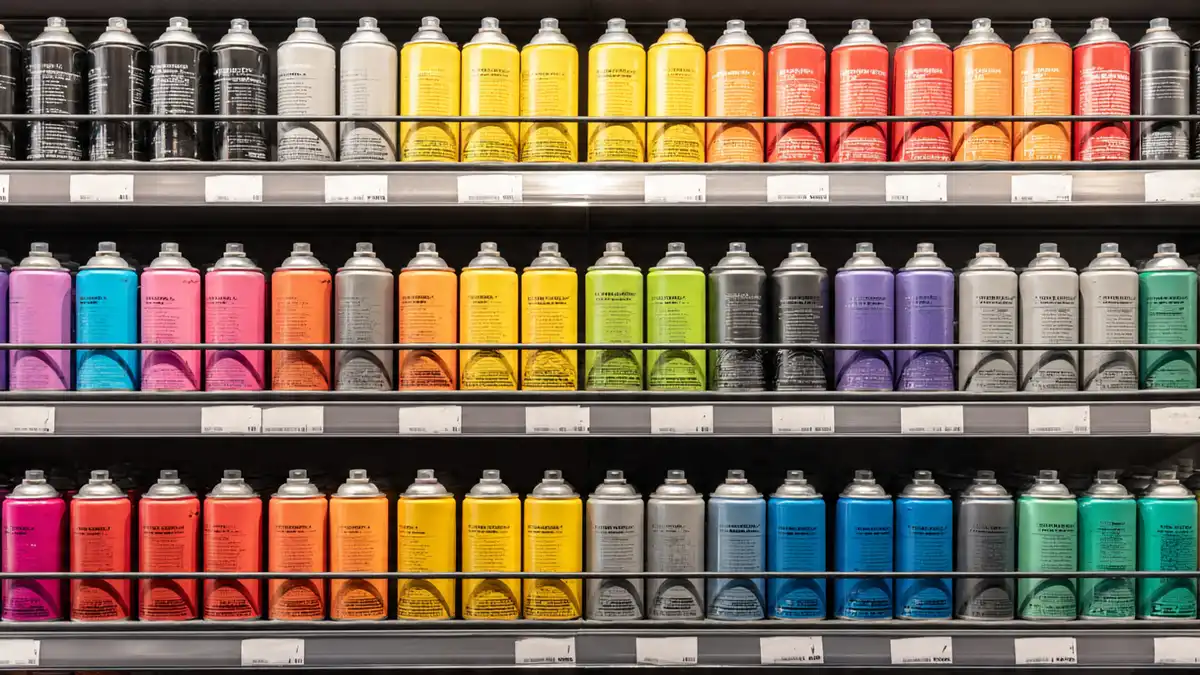
Figure 2: Variety of aerosol products available in the retail market.
Propellant Dynamics: Liquefied Gas vs. Compressed Gas
The choice of propellant dictates the internal pressure behavior and the spray characteristics of the aerosol system throughout its usage life. Liquefied gases dissolve in the formulation and maintain a constant pressure as the product is sprayed, whereas compressed gases remain in the vapor phase and experience a gradual drop in pressure. Understanding the thermodynamic properties of these two gas classes is essential for choosing the right packaging system:
Liquefied Gases (LPGs): Achieving Constant Pressure Systems
Typical liquefied propellants include propane, n-butane, isobutane, and dimethyl ether. These gases partially liquefy inside the can. As product is discharged, liquid propellant evaporates to maintain vapor pressure, resulting in nearly constant internal pressure until the liquid propellant is exhausted. This equilibrium is critical because it ensures stable spray force throughout can life, predictable discharge rate, flammable vapor classification, and the requirement for explosion-proof manufacturing environments. Liquefied gases dominate in personal care, household cleaners, automotive aerosols, and paints and coatings.
Compressed Gases (N₂, CO₂): Understanding Decreasing Pressure Systems
Compressed gas systems use nitrogen, carbon dioxide, or nitrous oxide. The gas remains entirely in vapor phase, and as product is released, total pressure decreases progressively. Discharge rate declines from first to last spray. Engineering implications include non-flammable classification, lower atomization energy, and common use with bag-on-valve, piston, or barrier systems. Compressed gases dominate pharmaceutical inhalers, food aerosols, medical sprays, and sterile industrial systems.
Selection Criteria: Matching Propellants to Product Function
Choosing the correct propellant mixture is a crucial decision that determines the safety profile and dispensing performance of the finished aerosol. Formulators must balance the solvency of active ingredients against the vapor pressure curves of liquefied or compressed gases. For a deeper technical breakdown of aerosol system design, propellant behavior, and formulation strategies, see our detailed guide on Aerosol Technology and Formulations. The selection process is guided by several physical and regulatory criteria, which are outlined below:
- Required spray particle size and droplet distribution
- Product viscosity and rheology under high shear
- Flammability limits of the finished formulation
- Regulatory restrictions and VOC limits by geographic region
- Container pressure rating and valve compatibility
- Discharge rate requirements and spray pattern geometry
- Solubility of the propellant in the active product matrix
The Challenge of Product/Propellant Compatibility
Aerosol formulations must remain chemically stable under high internal pressure, in the presence of dissolved gas, and during long-term contact with metals and elastomers. Common incompatibility failures include gel formation due to propellant–polymer interactions, loss of fragrance due to LPG solubility, valve gasket swelling, corrosion from acidic or alkaline products, and phase separation under temperature cycling. Compatibility testing should include elevated temperature storage, freeze–thaw cycling, pressure retention monitoring, and valve performance testing over the full can life. Laboratory compatibility studies are a mandatory prerequisite for commercial stability.
4. Technical Tables: Propellants, Pressure Ranges, Valves, Containers, and Quality Control
Designing a high-performance aerosol system requires precise matching of thermodynamic, material, and quality control specifications. Below are the standard reference tables detailing propellant physical properties, internal pressures, valve configurations, container limits, and mandatory quality checks required in professional aerosol plants.
Table 1: Common Aerosol Propellants – Physical & Safety Properties
| Propellant | Chemical Formula | Type | Vapor Pressure at 25°C (approx.) | Flammability | Typical Applications |
|---|---|---|---|---|---|
| Propane | C₃H₈ | Liquefied Gas | ~8.4 bar | Highly Flammable | Hair sprays, paints, cleaners |
| n-Butane | C₄H₁₀ | Liquefied Gas | ~2.1 bar | Highly Flammable | Deodorants, foams |
| Isobutane | C₄H₁₀ | Liquefied Gas | ~3.1 bar | Highly Flammable | Cosmetic aerosols |
| Dimethyl Ether (DME) | CH₃OCH₃ | Liquefied Gas | ~5.2 bar | Flammable | Water-based aerosols |
| Carbon Dioxide | CO₂ | Compressed Gas | Gas phase only | Non-Flammable | Food, pharma |
| Nitrogen | N₂ | Compressed Gas | Gas phase only | Non-Flammable | Medical, sterile sprays |
| Nitrous Oxide | N₂O | Compressed Gas | Gas/liquefied | Non-Flammable | Food whipping aerosols |
Table 2: Typical Internal Pressure Ranges in Aerosol Cans
| System Type | Propellant Type | Typical Pressure at 25°C | Pressure Behavior During Use |
|---|---|---|---|
| LPG System | Propane/Butane | 2–8 bar | Nearly constant |
| DME System | Dimethyl Ether | 4–6 bar | Nearly constant |
| CO₂ System | Carbon Dioxide | 4–9 bar | Gradually decreasing |
| Nitrogen System | Nitrogen | 6–12 bar | Continually decreasing |
| Pharmaceutical MDI | HFA Propellants | 4–6 bar | Controlled metered release |
Table 3: Common Aerosol Valve Types & Applications
| Valve Type | Flow Rate Control | Typical Use | Key Feature |
|---|---|---|---|
| Continuous Spray Valve | Fixed flow | Deodorants, sprays | Unmetered discharge |
| Metered Dose Valve | Precise dose per actuation | Pharmaceutical inhalers | Controlled drug delivery |
| Foam Valve | High output, low atomization | Shaving foams, cleaners | Foam generation |
| Vertical Spray Valve | Directional spray | Lubricants, penetrants | Targeted application |
| Tilt Spray Valve | Angled discharge | Paints, industrial sprays | Precision targeting |
| Bag-on-Valve (BOV) | Isolated product system | Pharma, cosmetics, food | No product–propellant contact |
Table 4: Aerosol Container Materials & Technical Characteristics
| Material | Max Working Pressure (approx.) | Corrosion Resistance | Weight | Typical Applications |
|---|---|---|---|---|
| Tinplate Steel | 12–15 bar | Moderate (with coating) | High | Industrial, household |
| Aluminum | 12–18 bar | High | Low | Cosmetics, pharma |
| PET with Barrier Coating | 8–10 bar | High | Very Low | Personal care, medical |
Table 5: Key Quality Control Tests in Aerosol Manufacturing
| Test Name | Purpose | Frequency | Failure Risk if Ignored |
|---|---|---|---|
| Burst Pressure Test | Container safety | Per batch | Explosion hazard |
| Leak Test (Hot Water Bath) | Seal integrity | 100% of cans | Fire & gas leakage |
| Crimp Diameter Check | Valve sealing | Per shift | Slow leaks, loss of pressure |
| Spray Pattern Test | Performance check | Per batch | Poor product performance |
| Stability Study | Shelf-life verification | Periodic | Phase separation, corrosion |
5. Safety and Regulatory Compliance
Aerosol manufacturing is classified as a high-risk industrial activity due to the combined hazards of flammable gases, pressurized containers, and volatile solvents. As a result, aerosol plants are subject to strict safety and regulatory frameworks. Designing a compliant facility requires specialized engineering controls to prevent vapor accumulation and eliminate ignition sources in production zones.

Figure 4: Basic aerosol filling and conveying area inside a manufacturing plant.
Essential Safety Protocols in Aerosol Manufacturing
Operating an aerosol plant requires strict adherence to international safety standards to manage flammability and high-pressure hazards. High-speed venting systems, hazardous area zoning, gas detection loops, and grounding systems are essential components of a compliant plant layout. Below are the core safety protocols that must be integrated into the facility design:
- Hazardous area zoning and explosion-proof electrical systems: Classifying production areas (such as gassing rooms) according to ATEX or IECEx regulations to ensure only explosion-proof, spark-free machinery is operated in high-risk zones.
- Gas detection and automatic emergency shut-off: Installing continuous gas sensors at floor level (as hydrocarbon propellants are heavier than air) to trigger automatic emergency gas shut-offs if concentrations exceed safe thresholds.
- Grounding and bonding against static electricity: Implementing complete electrical grounding and bonding of all metal pipelines, conveying machinery, and containers to eliminate static discharge hazards.
- Foam-based and dry chemical fire suppression: Deploying dedicated foam-based deluge and dry chemical fire suppression systems designed to quickly contain and extinguish propellant-fed fires.
Navigating Global Regulations
Modern compliance frameworks include UN and DOT transport rules, GHS labeling, VOC emission limits, and national fire and explosives regulations. Regulations evolved after the phase-out of CFC propellants under the Montreal Protocol and continue to emphasize environmental and occupational safety.
Pressure Testing and Container Integrity Requirements
Every manufactured aerosol canister must meet rigorous pressure resistance and leak-prevention criteria before being shipped. Regulatory bodies require continuous testing during production to verify that containers can handle high thermal stresses and rough transport handling. The following testing methods are standard for verifying container integrity:
- Hydrostatic burst testing of containers: Destructively testing random container samples to verify that the metal walls and seams can withstand pressures well beyond standard operating limits.
- Pressure retention testing over shelf life: Monitoring statistical samples over extended periods in temperature-controlled chambers to measure long-term gas and pressure loss.
- Leak testing using hot water bath and gas sniffers: Passing 100% of filled canisters through a hot water bath (at 50°C) to expand the gas, checking for bubbles that indicate valve or crimp leaks.
- Drop and mechanical impact testing: Subjecting filled aerosol cans to drop tests from set heights to confirm that the container seams do not rupture under impact.
6. From Lab to Market: Initial Steps for Entrepreneurs
The staged scale-up sequence from bench trial to commercial filling is set out in full in from lab to commercial launch.
Bringing a new aerosol product to market involves balancing formulation chemistry, propellant selection, and mechanical facility planning. Because the initial capital requirement for specialized filling equipment is high, early-stage brands must carefully weigh their entry strategy. By starting with outsourced production, startups can validate their product in the market before investing in an in-house manufacturing plant.
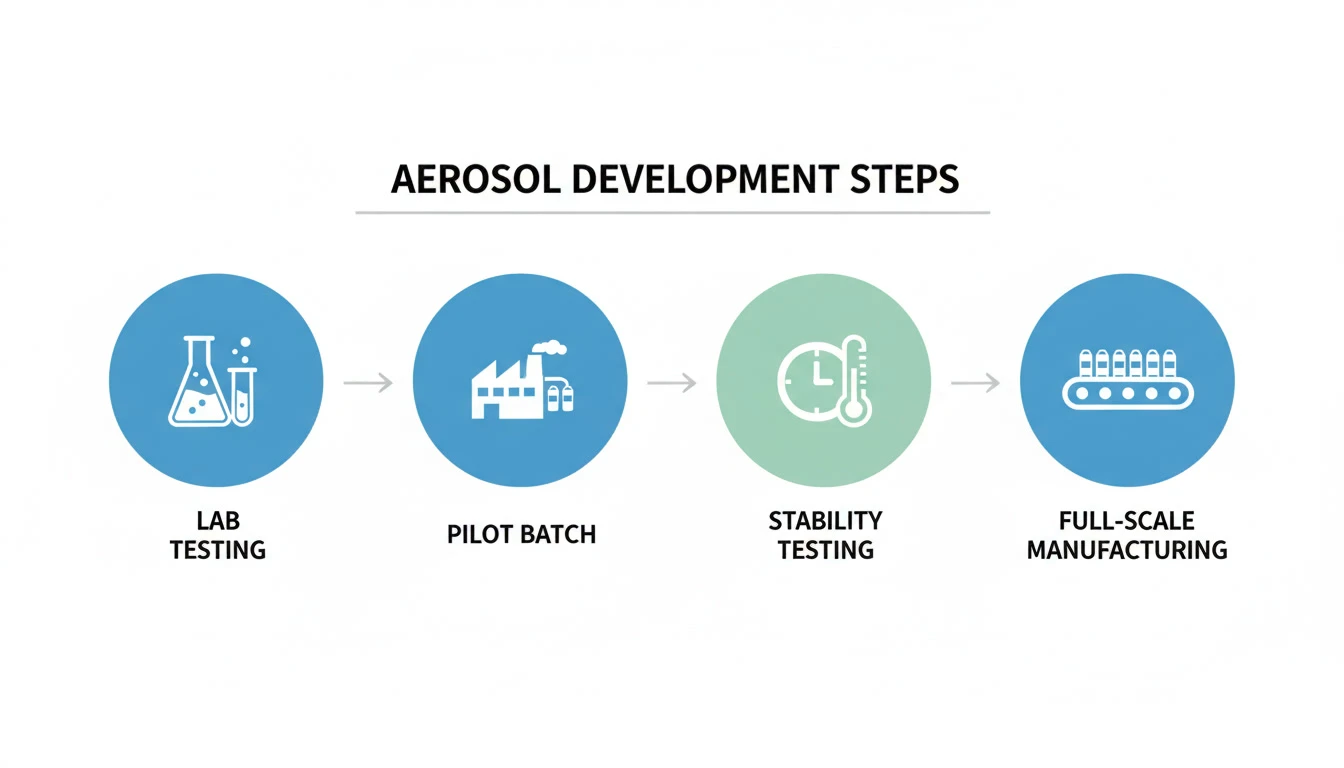
Figure 5: Typical workflow from aerosol R&D to full-scale commercial production.
Identifying the Top 3 Budget Pitfalls in Aerosol Startups
Entrepreneurs launching an aerosol brand often face unexpected expenses due to planning oversights. Building a plant requires substantial capital for fire protection, gas containment, and licensing, which can exceed the cost of the filling machinery itself. Below are the three most common budget pitfalls that startups must plan for:
- Underestimating explosion-proof infrastructure and fire safety investment: Underestimating the capital needed to install explosion-proof wiring, gas sensors, ventilation, and fire suppression systems required by local safety regulations.
- Selecting incorrect filling and gassing machinery for the intended scale: Purchasing low-capacity manual filling lines that cannot scale, or over-investing in high-speed lines before the market has validated the brand's sales volume.
- Insufficient budgeting for compatibility, pressure, and stability testing: Failing to budget for extensive compatibility, drop, burst, and stability tests, which can delay commercial launches if formulation changes are needed.
Why Outsourcing R&D Mitigates Scale-Up Failure Risk
Outsourcing early-stage R&D provides access to validated formulations, rapid compatibility screening, early failure mode identification, faster regulatory documentation preparation, and lower pilot-to-commercial scale-up risk.
7. Frequently Asked Questions (FAQ)
What is aerosol manufacturing and how does it work?
Aerosol manufacturing is the industrial process of filling a pressurized container with a formulated product and a propellant that enables controlled spray, foam, or jet discharge. Internal pressure generated by liquefied or compressed gases forces the product through a precision valve and actuator in a controlled pattern.
What investment is required to start an aerosol manufacturing plant?
The investment required depends on production capacity, automation level, and safety infrastructure. Capital is typically needed for explosion-proof filling and crimping machines, fire protection and gas detection systems, propellant storage, quality control equipment, and regulatory approvals. Safety infrastructure often represents a major share of the total capital cost.
What are the most commonly used aerosol propellants?
The most commonly used aerosol propellants are propane, n-butane, isobutane, dimethyl ether, carbon dioxide, nitrogen, and nitrous oxide for food systems. Liquefied petroleum gases and dimethyl ether are used for constant-pressure consumer aerosols, while nitrogen and carbon dioxide are preferred for non-flammable pharmaceutical, food, and medical applications.
Is aerosol manufacturing legally regulated in India and globally?
Yes. Aerosol manufacturing is regulated due to the use of flammable gases and pressurized containers. In India, approvals typically involve explosives and petroleum authorities, fire safety authorities, factory inspectorates, and legal metrology bodies. Globally, compliance with UN and DOT transport regulations, GHS labeling, VOC limits, and national safety codes is required.
What are the main safety risks in aerosol manufacturing?
Key safety risks include flammability and explosion hazards, over-pressurization and container rupture, gas leakage, static electricity ignition, and improper storage of filled aerosols. These risks are controlled through hazardous area zoning, explosion-proof equipment, gas detection systems, grounding and bonding, and properly designed fire protection systems.
What is the difference between liquefied gas and compressed gas aerosol systems?
Liquefied gas systems use propellants that exist partly in liquid phase inside the container and maintain nearly constant pressure during use. Compressed gas systems use gases that remain entirely in vapor phase, leading to a gradual pressure drop as product is discharged. Liquefied gas systems deliver stronger and more consistent spray, while compressed gas systems are often non-flammable and used in pharmaceuticals and food.
How is aerosol product stability tested before commercial launch?
Aerosol stability is assessed through accelerated temperature exposure, freeze–thaw cycling, pressure retention monitoring, spray performance testing, and corrosion and compatibility studies with container and valve materials. These tests verify long-term product integrity and safety.
Which aerosol products are most profitable for startups?
Commonly profitable aerosol segments include automotive products, household cleaners, personal care products such as deodorants and hair sprays, and private-label aerosols for retail and OEM customers. Pharmaceutical aerosols can offer higher margins but require greater investment in regulation and validation.
Can aerosol manufacturing be outsourced instead of setting up a plant?
Yes. Many brands use OEM or private-label aerosol manufacturers to avoid high capital investment, reduce regulatory exposure, and accelerate market entry. Outsourcing is a common strategy during early-stage market validation before committing to an in-house plant.
Why is professional technical consulting important in aerosol manufacturing?
Aerosol systems integrate formulation chemistry, mechanical and process engineering, safety design, and regulatory compliance. Errors in any of these areas can lead to product failure, non-compliance, safety incidents, and financial losses. Professional consulting helps ensure robust formulations, correct machinery selection, compliant layouts, and reliable scale-up from laboratory to full production.
8. Further Reading & External References
For additional details regarding global aerosol regulations, chemical safety, and the history of propellant phase-outs, please refer to the official resources below:
Conclusion
Aerosol manufacturing represents a technically complex but highly rewarding branch of industrial FMCG and pharmaceutical production. Successful commercial scale-up is determined by the precise alignment of physical formulation parameters, mechanical gassing controls, and complete, uncompromised safety zoning.
For entrepreneurs, investors, and technical managers, working with specialized chemical formulation consultants from day one is the most reliable way to design compliant plant layouts, select correct gassing lines, and ensure commercial success.
Need Technical Formulation or Plant Design Services?
Discuss your aerosol manufacturing, propellant selection, or facility design project with Global Aerosols. Obtain professional PESO-compliant layouts, ATEX electrical engineering audits, and robust product formulations.
Email: consulting@globalaerosols.com
Website: https://www.globalaerosols.com
Phone: +91 9819548320 +91 8169102990
About the Specialist
Absar Khan is the founder and lead aerosol consultant at Global Aerosols. He possesses cross-disciplinary engineering expertise spanning aerosol formulation chemistry, propellant and valve systems, filling line design, and global regulatory compliance. Absar leads scientific and engineering advisory teams supporting manufacturers globally in technology selection, GMP layouts, validation frameworks, and regulatory strategies.
LinkedIn Portfolio: Connect with Absar Khan on LinkedIn